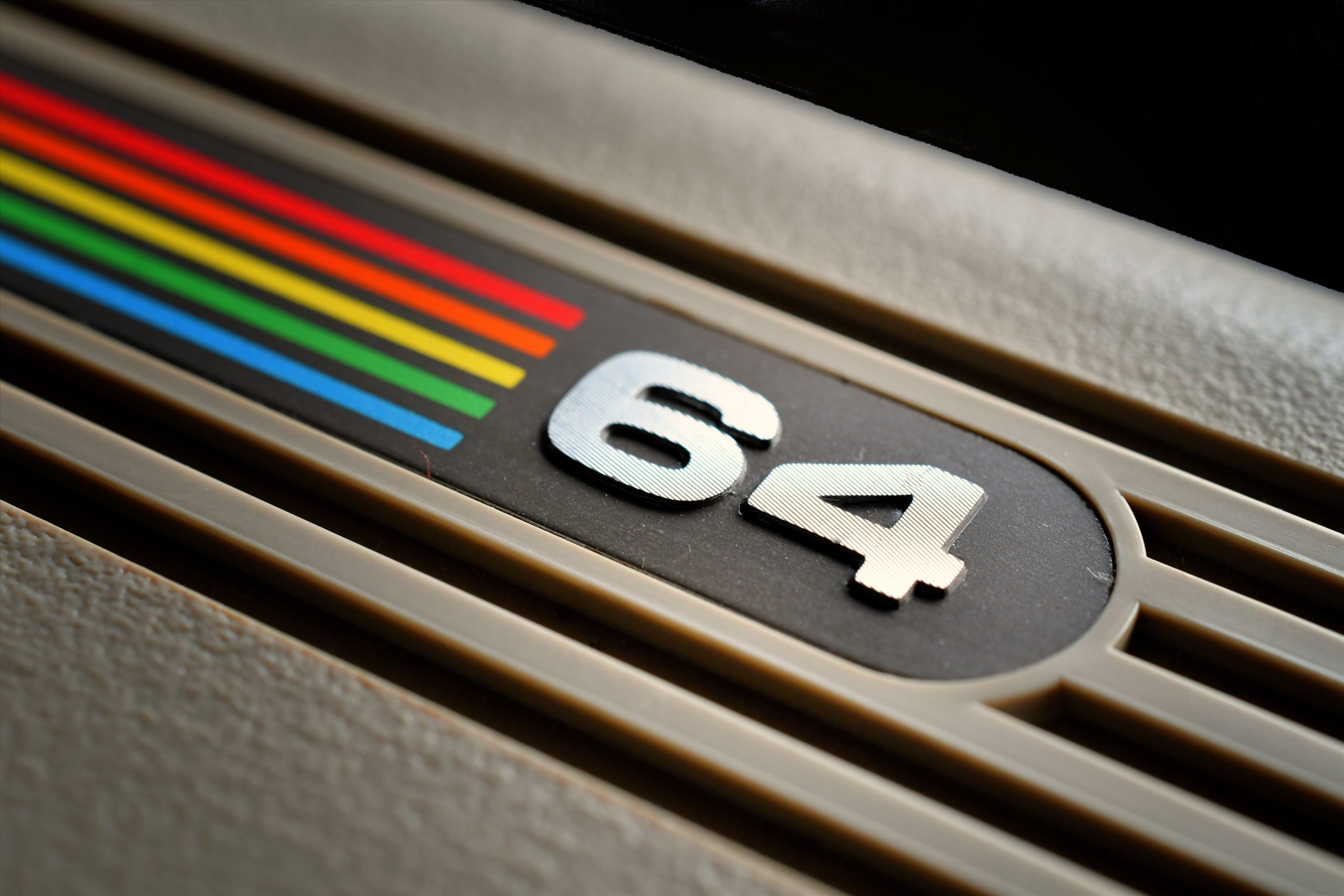
The Commodore 64 was released in January 1982, although it was in production since Spring 1982. It was released into the market in late August 1982. It utilised a MOS 6510 CPU (a 6502 derivative) operating at 0.985 MHz PAL or 1.023 MHz NTSC frequencies with 64 KB of RAM (38 KB usable for BASIC programs). The Commodore 64’s VIC-II graphics processor supported a 320×200 maximum resolution with 16 colours and 8 sprites. The Commodore 64’s SID audio processor was revolutionary and produced three audio channels that were able to produce 2 waveform types and noise/filter effects. The Commodore 64 has estimated sales of approximately 12.5 to 17 million units worldwide, which makes it the top selling single computer model in history. However, those figures do not tell the true story of how the Commodore 64 was the computer that defined European gaming culture in a manner that North American gamers can hardly comprehend.
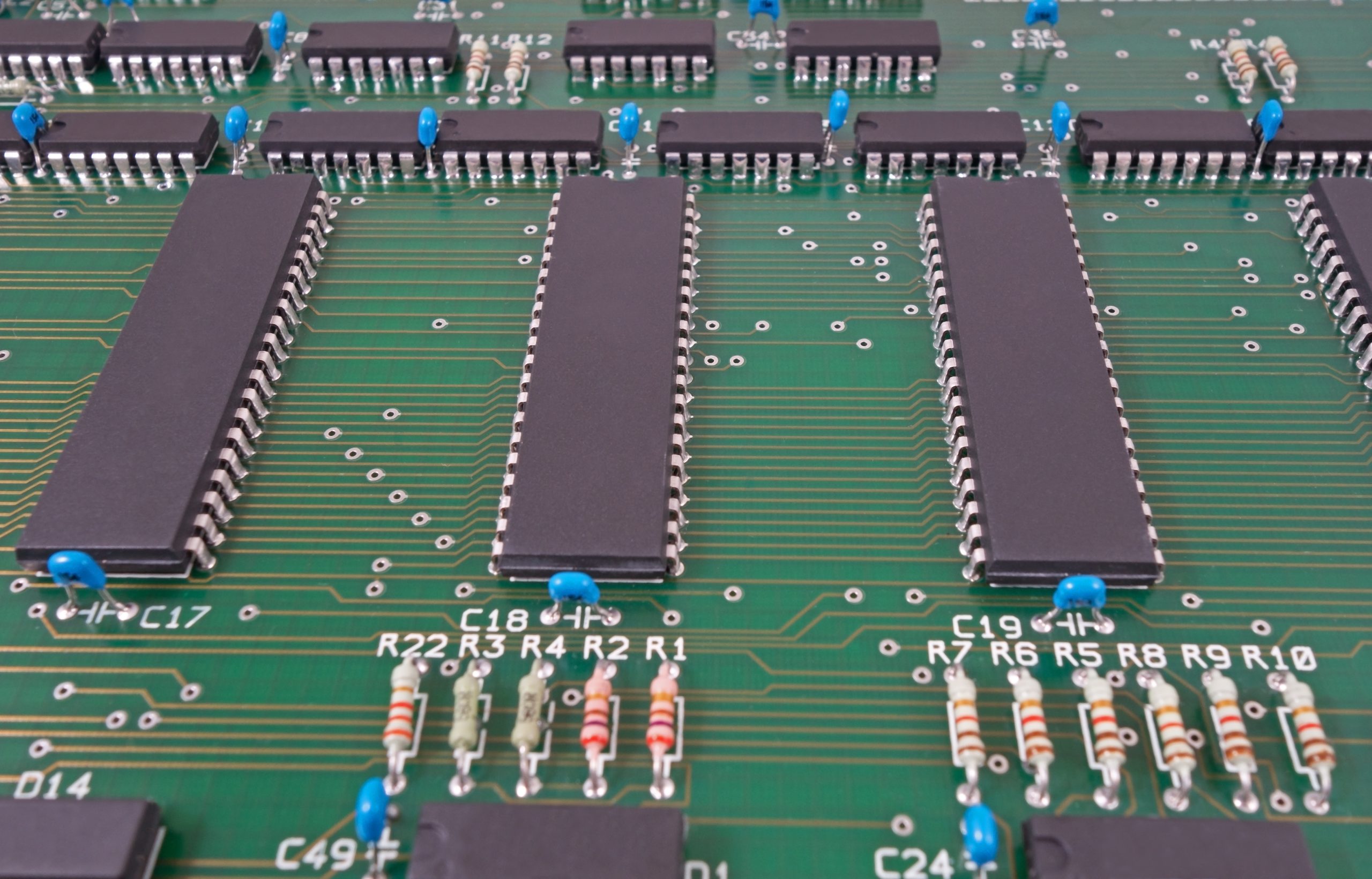
Commodore 64 Technical Specifications
| Specification | Details |
|---|---|
| Release Date | January 1982 (announced), August 1982 (market availability) |
| CPU | MOS 6510 (6502 variant) at 0.985 MHz PAL / 1.023 MHz NTSC |
| RAM | 64 KB total (38 KB available for BASIC) |
| Graphics Chip | VIC-II (320×200 max, 16 colours, 8 sprites) |
| Audio Chip | SID (3-channel: 2 waveforms, noise/filter) |
| Display Raster | 312 lines PAL / 263 lines NTSC |
| Storage | Cassette/Datassette drive |
| Sales Estimate | 12.5–17 million units (best-selling single computer model) |
| Generation | 8-bit home computer |
Understanding the Commodore 64’s Impact
You must understand that in the 1980s North America and Europe had completely different computing cultures. North America had the Apple II leading the charge. The Commodore 64 was considered a toy computer. A cheap alternative to “real” computers. The gaming industry was still trying to recover from the 1983 crash. Home computers were viewed as business machines and after that, as gaming machines.
Europe was different. Europe lacked the significant investments that Apple had made in computers. Import prices were different. Retail structures were different. Europe viewed the Commodore 64 as the computer. As the vehicle through which users learned to program. As the means through which users accessed games. As the platform that defined an entire generation’s relationship with computers.
The Commodore 64 was priced at approximately $595 upon release. While that was a high price, it was much less expensive than the Apple II ($1295). What was more important, however, was the price decrease over time. Within a year of release the Commodore 64’s price had fallen to $299. Over the course of a few years you could easily locate a used Commodore 64 for less than $200. It was this low price point that made home computing feasible for average consumers. For families. For young children. This was the Commodore 64’s major competitive advantage.
A Massive Game Library
The Commodore 64 game library in Europe was enormous. Pirate, Impossible Mission, Boulder Dash, Lode Runner, Jumpman, The Last Ninja, Maniac Mansion, Barbarian, Impossible Mission II. These games were not just individual titles. These were cultural icons. These were the games that defined gaming culture in Europe for generations of children.
Pirate is a puzzle game that may seem simple, but once you understand the mechanisms of the game, it is anything but simple. Impossible Mission is an action/adventure game that requires patience and problem-solving. Boulder Dash is a puzzle/mining game in caves that has addictive qualities unlike any other games have ever experienced. The Last Ninja is a platformer that combines action with exploration. Maniac Mansion is one of the first graphical point-and-click adventure games that were created.
While the Commodore 64 did not have the arcade ports that the Genesis had, the Commodore 64 did not have the same quality graphics as the SNES. The Commodore 64 game library, however, had personality. The games were all designed to take advantage of the Commodore 64’s strengths and limitations. None of the Commodore 64 games were ported from arcade versions. All Commodore 64 games were created for home computer use.
Development communities grew around the Commodore 64. Developers in basements across Germany, Britain, Sweden and Italy were developing games that were comparable to professionally-produced games. The entry barriers to develop for the Commodore 64 were very low. Users could easily learn how to programme for the Commodore 64. Users could develop their own games. Users could distribute their games via cassette tape. Development communities were formed that were highly collaborative and open in a manner that traditional game development/publishing companies were not.
The Cassette Problem (And Why It Was No Problem in Europe)
The Commodore 64 used cassette tapes to store data. Loading times were terrible. Games took anywhere from 5 to 15 minutes to load from cassette. Those are long times by today’s standards. And yes, they were long times back then too. But that was the norm in Europe for the 1980s. Everyone had a cassette player. Everyone knew how to work with cassettes. Disk drives were expensive and most people could not afford to add them to their Commodore 64.
Cassette tapes caused a problem with game loading. Because there were no quick switching methods, users had to load one game, play it, then go back and load the next game. This led to a different type of gaming culture. Users learned their games inside and out. Users mastered their games. Users discovered secret paths and strategies that casual players never saw.
Later, when disk drives became more affordable, the Commodore 64’s disk drives cut down on load times to just a few seconds. Even with the long cassette loading times, the Commodore 64 was the most popular computer in Europe. The games were good enough to warrant waiting for them to load.
The Computer That Became a Gaming Platform
The Commodore 64 was originally intended as a home computer. It came with a built-in BASIC interpreter. It shipped with educational software. The Commodore 64 was intended to teach users programming skills and basic computing concepts. In practicality, however, the Commodore 64 became a gaming computer. Most users purchased their Commodore 64 to play games. They learned programming as a secondary interest to modifying existing games or developing new ones.
This created a special type of user culture. Gaming and programming were not two separate activities. They were intertwined. Users would play games and see that games were written in programming languages. Users could view source code and see how games functioned. Users could edit games. Users could develop their own games.
The Commodore 64 provided a barrier-free environment for users to either be casual gamers or serious programmers. The Commodore 64 was a single platform that supported both gaming and programming. This flexibility created a culture where users had a greater level of game literacy. Users had a greater understanding of games as designed objects versus just viewing games as entertainment.

Commodore 64 in North America vs. Europe
The Commodore 64 was a successful product in North America. However, the Commodore 64 never was the dominant computer in North America. When the NES was released in 1985, it immediately captured the North American console market. The Apple II and IBM PC captured the majority of the North American home computer market. The Commodore 64 was viewed as a budget alternative to “real” computers and consoles.
In Europe, the Commodore 64 was not competing directly with the NES. The NES did not arrive in Europe until many years after the Commodore 64 was established in the home computer market. By the time Nintendo was establishing its dominance in Europe, the Commodore 64 had already established a large base of users. Home computers and consoles served different markets in Europe. The Commodore 64 was the home computer through which users played games. Arcade centres were the places through which users played the latest games.
The regional differences in how gaming developed is the primary reason that the Commodore 64 is often overlooked in discussions of gaming history in North America. European gaming developed in a manner that was distinct due to the popularity of the Commodore 64 as a gaming platform. Games were created specifically for the Commodore 64’s architecture. An entire generation of European programmers learned how to write code for the Commodore 64. The aesthetic of European games were influenced by the capabilities and limitations of the Commodore 64.
Preserving the Forgotten History
It is essential to preserve this type of history as it is commonly lost when evaluating success solely based on sales in North America. The Commodore 64 affected millions of Europeans. The Commodore 64 defined gaming culture in Europe. The Commodore 64 is a critical part of understanding why European game developers approach game design differently than developers in North America. The Commodore 64 is a fundamental part of understanding the scope of gaming culture in the 1980s.
If you wish to understand European gaming culture, you must understand the Commodore 64. If you wish to understand why European game developers have a different perspective on designing games, you must understand that they grew up with Commodore 64s. If you wish to understand the depth of 1980s gaming culture, you must acknowledge that in Europe, the Commodore 64 was the platform that defined gaming culture.
Conclusion
The Commodore 64 was the top selling single computer model in history. It sold between 12.5 and 17 million units worldwide. However, the number of sales does not tell the complete story of the Commodore 64. The complete story is about how different gaming cultures were formed by the same hardware in different regions of the world.
The Commodore 64 is a nostalgic item in North America. The Commodore 64 is the foundation of gaming culture in Europe. It was the platform that taught an entire generation how to programme. It was the platform that demonstrated that home computers could be platforms for playing games. It was the platform that demonstrated that you did not require arcade ports or cutting-edge graphics to develop compelling games.
The Commodore 64’s legacy lives on in the music. The SID chip is a widely-respected musical instrument. The Commodore 64 games continue to be emulated today. The cultural impact of the Commodore 64 continues to exist in the collective memory of millions of European gamers that grew up with the Commodore 64.
Rating: 9/10 — The best-selling computer ever made and the system that defined European gaming culture
Want to learn more about retro consoles? Cheque out our complete Top 10 ranking of the best 80s and 90s consoles