Right, full disclosure – I spent most of the 90s playing Sensible World of Soccer and Speedball 2 on my Amiga, so I missed Super Mario RPG entirely when it launched. Console RPGs seemed like a waste of time compared to proper PC gaming. Then the New Player Ready crew insisted I play it for our SNES rankings, and I’ll grudgingly admit: this is exactly how you make an accessible RPG that doesn’t insult anyone’s intelligence.
Nintendo and Square teaming up to make an RPG felt like finding out your two favorite bands were doing a collaboration. The result was a game that took Mario’s world and gave it actual depth while making turn-based combat genuinely engaging through timing mechanics. It’s not revolutionary, but it’s perfectly executed.
What Makes Super Mario RPG Work
Developer: Square | Released: March 1996 (Japan), May 1996 (North America)
Super Mario RPG came out late in the SNES lifecycle – the Nintendo 64 was already announced. But Square and Nintendo delivered a swan song that showcased what the console could still accomplish. Pre-rendered 3D graphics that created an isometric perspective. Timing-based combat that added skill to turn-based battles. Humor that poked fun at Mario conventions while respecting them.
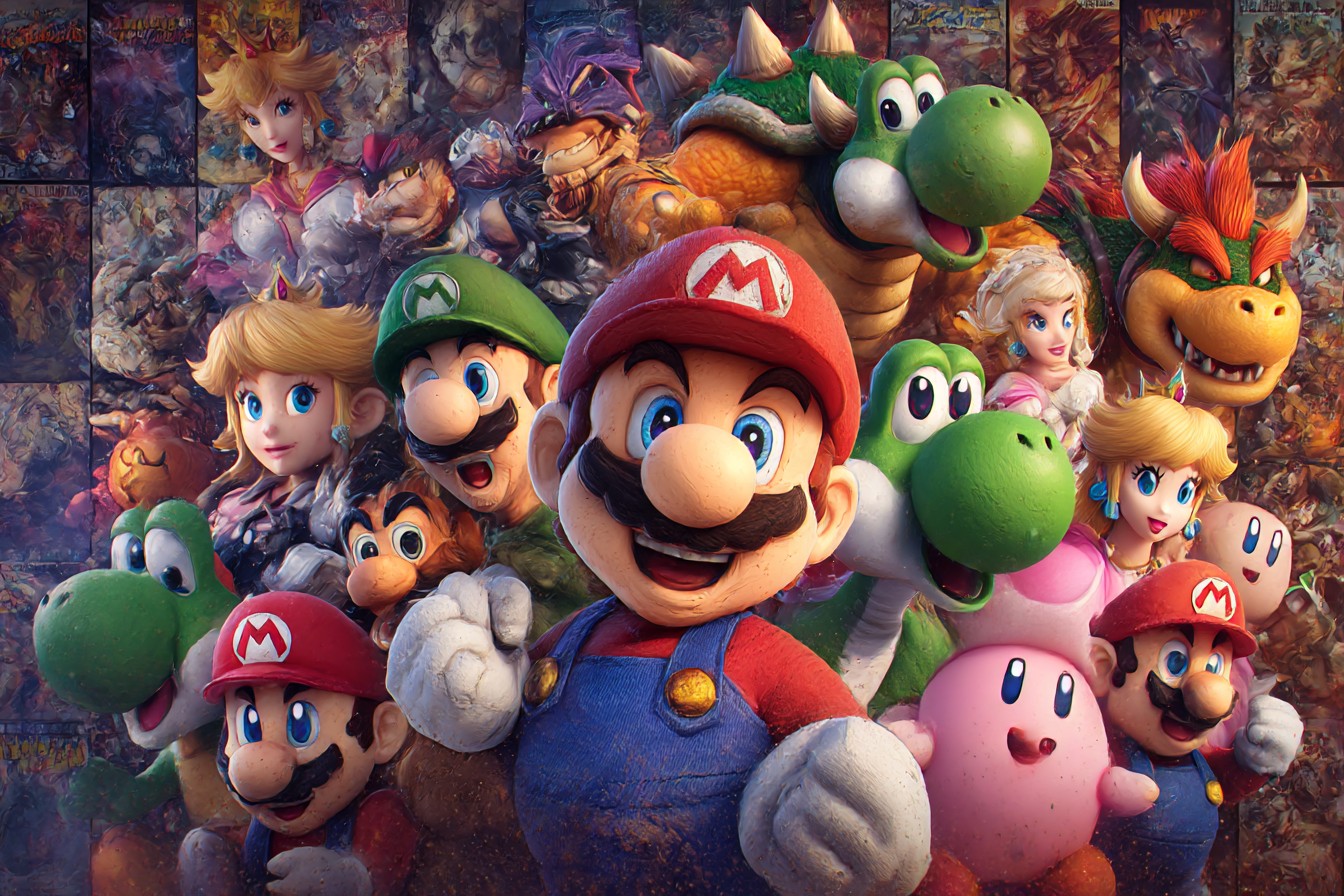
The plot starts typically enough – Bowser kidnaps Peach, Mario goes to rescue her. Then a giant sword crashes into Bowser’s castle, shattering the Star Road and scattering seven Star Pieces across the world. These pieces grant wishes, and the evil Smithy Gang wants them to conquer the world. Mario has to team up with Bowser, Peach, and new characters Mallow and Geno to collect the Star Pieces and stop Smithy.
The genius is how Square took Mario’s established world and expanded it without breaking it. Bowser joins your party and comments on how his minions have been taken over. Peach gets actual characterization beyond “kidnapped princess.” The Mushroom Kingdom feels like a real place with towns, citizens, and problems beyond just “Bowser did bad thing again.”
Combat That Demands Attention
Here’s what Super Mario RPG does differently from standard turn-based combat: timing matters. Press the button at the right moment when attacking, and you deal extra damage. Press it when defending, and you reduce incoming damage. This simple addition transforms combat from menu selection into active engagement.
Each character has unique abilities beyond just attacking. Mario has his jump attacks and fire spells. Mallow uses weather-based magic and support spells. Geno has beam attacks and timing-heavy moves. Bowser has physical attacks and fire breath. Peach can heal and has situational offensive spells.
The Timed Hit system extends beyond basic attacks. Special moves have different timing windows. Some require multiple button presses in sequence. Some need you to hold or release at specific moments. Learning each character’s abilities and timing windows is genuinely satisfying skill development.
Boss fights test your mastery of timing and character abilities. Bowyer disables random buttons, forcing you to adapt your strategy. Bundt requires understanding pattern recognition. The Axem Rangers are a full party battle. Smithy’s final form changes weaknesses and requires switching targets strategically.
The World That Expands Mario’s Universe
Square took Mario’s world and made it deeper without losing its identity. The Mushroom Kingdom has actual towns with citizens who have problems. Monstro Town is inhabited by reformed enemies. Yo’ster Isle has friendly Yoshis racing. Land’s End has a desert and cliffs to explore.
The isometric perspective creates visual depth. Secrets are hidden behind foreground objects. You can explore in multiple directions, not just left-to-right. The pre-rendered 3D graphics – similar to Donkey Kong Country – create detailed environments that push SNES capabilities.
Mini-games are everywhere. The mine cart ride. The Grate Guy’s Casino. Yo’ster Isle racing. The Mushroom Derby. Pearl fishing at Seaside Town. These aren’t just distractions – they reward participation with useful items and equipment. The game respects that not every moment needs to be combat or story advancement.
Humor That Knows What It’s Doing
Super Mario RPG is genuinely funny without being obnoxious. The writers understood Mario conventions and poked fun at them while respecting the source material. Bowser complaining about his minions being taken over. Peach being competent and useful instead of helpless. Mario’s expressive animations conveying emotion despite being silent.
The Chancellor’s “AHEM” gag. The password entering sequence that goes wrong. Booster’s bizarre wedding ceremony. Mallow discovering he’s not actually a frog. Geno being a star possessing a toy doll. These moments add personality without derailing the plot or breaking immersion.
NPCs have actual personality and memorable dialogue. The three Musty Fears in Monstro Town. The invisible treasure chest salesman. The mushroom couple arguing about their son. The world feels lived-in because the inhabitants have distinct voices and problems beyond “help me hero.”
Equipment and Progression Done Right
The equipment system is simple but effective. Weapons for each character. Armor pieces. Accessories that provide various bonuses. Nothing overwhelming, but enough choice to create different builds.
The real depth comes from accessories. Some boost stats. Some grant elemental resistances. Some provide unique abilities like automatic healing or reviving. You can’t equip everything, so you make meaningful choices based on what you’re facing.
Leveling feels good because every level provides visible improvements. HP increases. FP (magic points) increases. Attack and defense grow. Special moves get more powerful. The curve is perfectly paced – you’re never overpowered, but you’re never struggling if you’re fighting regularly.
Special moves are learned through leveling and finding hidden items. Each character has a set of unique techniques that fit their identity. Learning when to use which ability – and mastering the timing for maximum effectiveness – creates tactical depth beyond just “use strongest attack.”
The Graphics That Showcased Late-SNES Power
Super Mario RPG used the same pre-rendered 3D graphics technique as Donkey Kong Country. Detailed character models rendered on Silicon Graphics workstations, then compressed into sprites. The result looked genuinely impressive for 1996 SNES hardware.
The isometric perspective created depth and allowed for creative level design. Secrets hidden behind objects in the foreground. Paths that wound around and behind structures. Visual tricks that made environments feel three-dimensional despite being sprite-based.
Character animations are expressive. Mario’s exaggerated reactions. Bowser’s attempts to hide his soft side. Geno’s mechanical movements. Mallow’s emotional expressions. Everyone has personality through animation alone, which is crucial when dialogue is text-based.
Does Super Mario RPG Hold Up Today?
Absolutely. I played it for the first time in 2022 and it held up completely. The combat is engaging. The timing mechanics add skill without being punishing. The humor lands. The progression feels good. The difficulty curve is fair.
The game doesn’t waste your time. You’re not grinding for hours. Dungeons aren’t padding runtime with excessive backtracking. The story moves at a good pace. The 20-25 hour runtime feels appropriate – long enough to develop characters and world, short enough to not overstay its welcome.
Modern players might find the timing window for perfect hits a bit strict initially, but it’s learnable with practice. The isometric perspective occasionally makes depth perception tricky, but you adapt quickly. These are minor quibbles in an otherwise excellent experience.
The Nintendo Switch remake updates graphics and quality-of-life features while maintaining the core gameplay. But honestly, the original SNES version is still perfectly playable and charming in its own right.
Why It’s Number Six On Our List
Super Mario RPG sits at number six on our SNES rankings because it executes its vision perfectly without necessarily being revolutionary. It’s accessible RPG design done right – timing-based combat that adds engagement, character progression that feels rewarding, humor that lands without being obnoxious.
During our crew debates, Tim and I both pushed for it strongly because it represents game design that respects the player. No excessive grinding. No obtuse puzzles. No padding. Just solid RPG mechanics wrapped in Mario charm. Joe appreciated that it took Mario seriously as a world. Sam liked the timing-based combat skill ceiling. Carl was happy it was short enough to finish quickly.
The games above it on the list are more innovative or ambitious in specific ways. But Super Mario RPG is perhaps the most perfectly executed game for its specific goal: make an RPG that Mario fans and RPG newcomers can both enjoy without compromising quality.
The Legacy That Spawned A Genre
Super Mario RPG didn’t get a direct sequel – Nintendo and Square split, leading to Paper Mario and Mario & Luigi as spiritual successors. But its influence is clear in both series. Timing-based combat. Humor that respects Mario conventions. Expanding the Mushroom Kingdom beyond platformer conventions.
The game proved that Mario could work in non-platformer genres without losing his identity. That Nintendo’s world could support deeper storytelling. That accessible doesn’t mean shallow. These lessons influenced Nintendo’s approach to Mario spinoffs for decades.
The Verdict
Super Mario RPG is how you make an accessible RPG that doesn’t insult anyone’s intelligence. The timing-based combat adds skill to turn-based battles. The humor respects its source material. The progression feels rewarding without grinding. The world expands Mario’s universe thoughtfully.
This is game design that knows exactly what it wants to be and executes that vision perfectly. Not every game needs to be revolutionary – sometimes being excellent at what you attempt is enough.
If you’ve never played an RPG, this is a perfect starting point. If you’re an RPG veteran, this is a tight, well-designed experience that respects your time. If you’re a Mario fan, this is your world given depth and personality.
Even coming from Amiga gaming where I thought console RPGs were beneath me, I have to admit: Super Mario RPG is genuinely excellent.
Rating: 9/10 – Accessible RPG perfection
Return to our full SNES rankings →