You know what still gets me? The other day I was showing my nephew some old PlayStation games, and he asks me, completely innocent, "Why didn't they make Crash Bandicoot for Nintendo 64?" Just like that. Kid's eight years old and he's asking the question that haunted an entire generation of platform gamers.
I had to stop and think about how to explain console exclusivity to someone who's never lived through a proper console war. These days, you get your Mario on Switch, your Halo on PC, your Spider-Man eventually everywhere. But back then? Back then, picking a console meant picking sides, and some mascots were locked behind enemy lines forever.
See, Crash wasn't just a game character—he was Sony's answer to Mario. When the PlayStation launched in 1995, Nintendo had the plumber, Sega had the hedgehog, and Sony had… well, they had Ridge Racer and some interesting polygons. Not exactly playground currency, you know? Enter Naughty Dog with this orange marsupial who spun like a tornado and collected wumpa fruit like it was his full-time job.
I remember the exact moment I first saw Crash Bandicoot running on a PlayStation. It was in a Virgin Megastore—remember those?—and there was this demo kiosk with a massive crowd of kids and confused parents. The graphics looked like Saturday morning cartoons had somehow crawled inside the television. Those facial expressions! The way Crash's eyebrows moved when he got hit by a crab. It was like nothing I'd seen before, certainly nothing that looked that smooth on my Mega Drive.
But here's the thing about exclusivity deals in the '90s—they weren't just business decisions, they were battle strategies. Sony paid for Crash to be PlayStation-only because they needed something to compete with Nintendo's family-friendly dominance. Universal Interactive Studios, who owned the Crash license, took Sony's money and essentially locked the character in a vault labeled "PlayStation Exclusive."
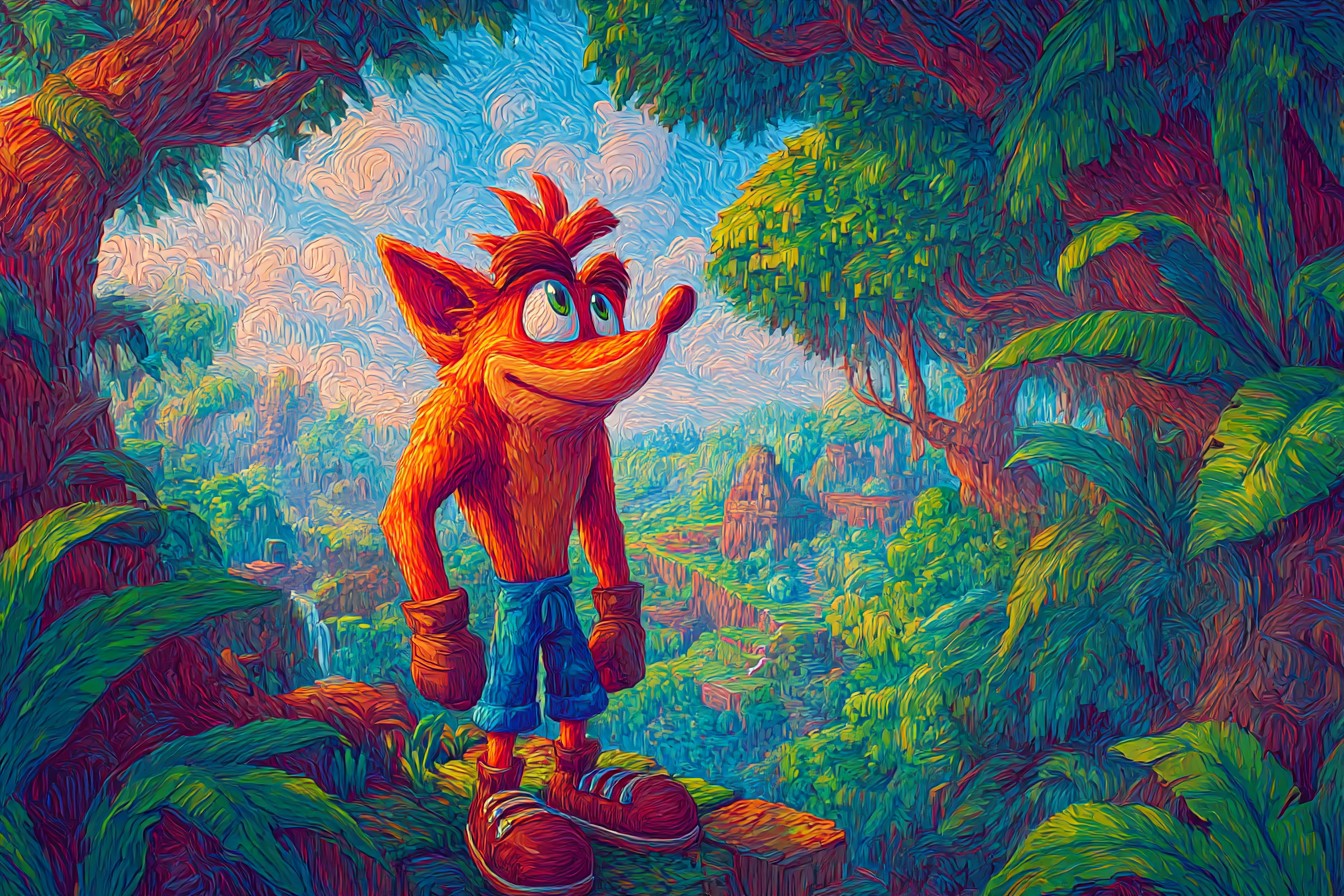
The irony still makes me chuckle. Crash looked like he belonged on a Nintendo console, didn't he? That colorful, bouncy, family-friendly energy screamed Nintendo more than the dark, edgy image Sony was trying to cultivate with games like Resident Evil and Metal Gear Solid. But that was exactly why Sony wanted him so badly.
I spent way too many weekends at my mate Dave's house playing through Crash Bandicoot levels. Dave had convinced his parents that the PlayStation was "educational" somehow—I never figured out that particular bit of salesmanship—and his living room became our unofficial headquarters. We'd take turns dying on the boulder chase level, arguing about who was better at the jumping sections, and wondering out loud why this brilliant game couldn't just appear on every console.
Meanwhile, N64 owners like myself were stuck with… well, we had Mario 64, which was revolutionary, but you know how it is. You always want what you can't have. We'd read about Crash in GamePro magazine, see those screenshots of perfectly rendered fur and expressive animations, and wonder what deals with what devils we'd need to make to get it running on our three-pronged controllers.
The really maddening part? Technically, there was no reason Crash couldn't have worked on N64. Sure, the cartridge format might've meant some compression compromises, and yeah, the N64's texture memory limitations would've required some clever workarounds. But Naughty Dog were wizards—they could've made it happen if the business side hadn't gotten in the way.
Instead, we got this weird parallel universe situation. PlayStation kids got Crash, Spyro, and eventually Jak & Daxter. N64 kids got Mario, Banjo-Kazooie, and Donkey Kong 64. Both sides were missing out on brilliant games because some suits in boardrooms decided that exclusivity was more valuable than letting everyone play everything.
The whole thing felt particularly cruel during the peak years, around '98 and '99. Crash Bandicoot 3: Warped was getting perfect scores everywhere, and there I was, staring at my N64 library wondering why platform mascots had to be held hostage by hardware manufacturers. I'd beaten Mario 64 probably fifteen times by then, speedrun routes and all, but I couldn't legally experience what everyone was calling the best 3D platformer on PlayStation.
Of course, I found ways around it. There was always that one friend with multiple consoles—usually the kid whose dad worked "in computers" and had more money than sense. Birthday parties became gaming pilgrimage sites. You'd show up with your sleeping bag and spend the entire night rotating through different systems, getting your fix of forbidden fruit.
But it wasn't just about the games themselves. It was about the cultural divide they created. Playground arguments about whether Mario or Crash was the better jumper. Magazine flame wars in the letters sections. The subtle social pressure to pick a team and defend it like your life depended on it. Crash never coming to N64 wasn't just a business decision—it was a generational trauma that shaped how we thought about gaming loyalty.
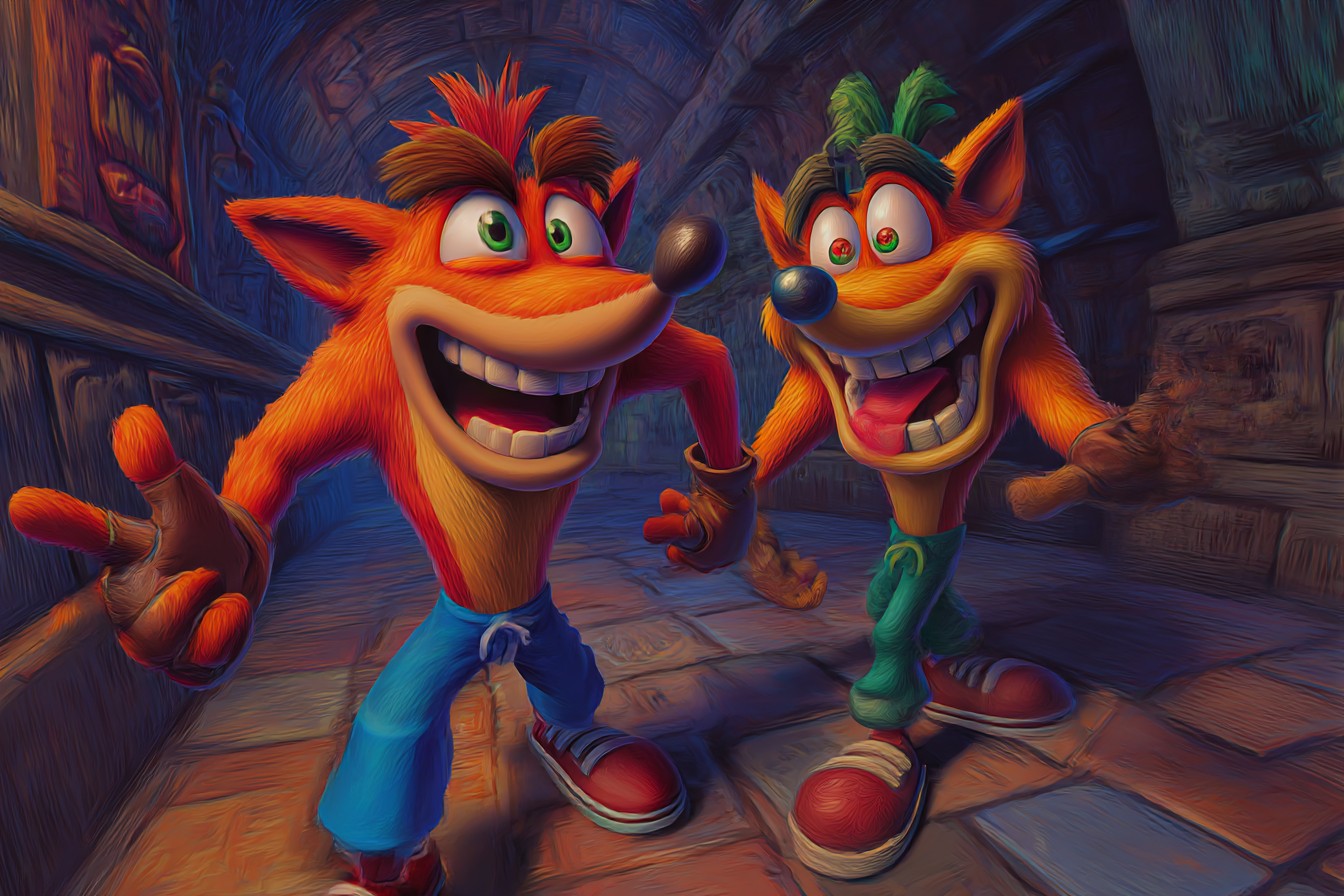
Looking back now, with decades of hindsight and a slightly more mature understanding of licensing deals and corporate strategy, I get why it happened. Sony needed system sellers. Universal needed guaranteed revenue. Naughty Dog needed development resources. Everyone won except us kids who just wanted to play good games regardless of which plastic box they came on.
The real kicker? When Activision bought the Crash license years later, they did eventually bring him to Nintendo consoles. But by then, it wasn't the same. The magic of those original Naughty Dog games, that perfect storm of technical innovation and pure joy, had passed. Modern Crash games are fine, but they're not that Crash—the one that could've changed everything if corporate politics hadn't gotten in the way.
Sometimes I fire up an emulator and play through those original Crash games with my nephew, explaining why they were such a big deal back when console exclusives actually meant something. He enjoys them well enough, but he'll never understand the strange mixture of awe and resentment they inspired in N64 owners like me.
That orange marsupial taught us that sometimes the best games are the ones you can't have—and why console wars, for all their silliness, actually mattered.