John’s working on that one so we won’t have to deal with Sam ranting again about how point-and-clicks died because they never implemented save states correctly. Gabriel Knight is not simply another old point-and-click adventure title sitting in Sierra’s archives. It proves that the way the Amiga treated story and atmosphere would utterly destroy console gaming if done right. In 1993 (Wikipedia), Jensen produced her magnum opus, reminding everyone that computer gaming was far superior to cartridge based nonsense.
The first aspect of Gabriel Knight that set it apart was that it recognised that the Amiga gaming community had been doing for years: treating players like adults who could understand complex narratives, mature themes and puzzles that required some level of thinking. Whilst console kids jumped on platforms and collected rings, computer gamers were investigating occult murders in New Orleans, reading writing worthy of being published in serious literature. Sierra finally caught up to what the UK computer gaming community had known all along. Games could be art.
Gabriel Knight was released at the perfect moment for Sierra when they needed something truly unique. The King’s Quest series was getting stagnant, the humour of Space Quest was starting to wear thin, and the entire point-and-click genre was being threatened by the rise of action games and early first person shooters. Jensen produced something that proved point-and-clicks weren’t dead. They just needed better stories, more complex characters, and the type of atmosphere that made you question whether you want to play alone late at night.
| Developer | Sierra On-Line |
| Platform | PC DOS, Windows, Mac |
| Release Year | 1993 |
| Game Genre | Adventure, Horror, Mystery |
| Number of Players | Single-player |
| Rating | 9/10 |
An Interactive Story Finally Worthy Of The Name
Jane Jensen accomplished this through understanding what most point-and-click developers missed. You cannot just throw together a series of random puzzles and call it a story. The story of Gabriel Knight, a New Orleans bookstore owner investigating voodoo murders that are connected to his family’s supernatural heritage, was akin to a real novel that happened to be interactive. This was not the “blue key unlocks the blue door” style of adventure gaming. This was psychological horror with deep character development.
One of the things that made Jensen’s approach brilliant was how she constructed the investigation. Each day, new developments occurred that naturally led to new areas to investigate, new people to meet, and greater mysteries to unravel. You were not solving puzzles arbitrarily because the developer needed to add more run-time. Each conversation with Detective Mosley, each visit to the French Quarter, each research session in the library served the larger mystery. The pace of the game felt organic, like an actual investigation unfolding, rather than a collection of unrelated puzzles.
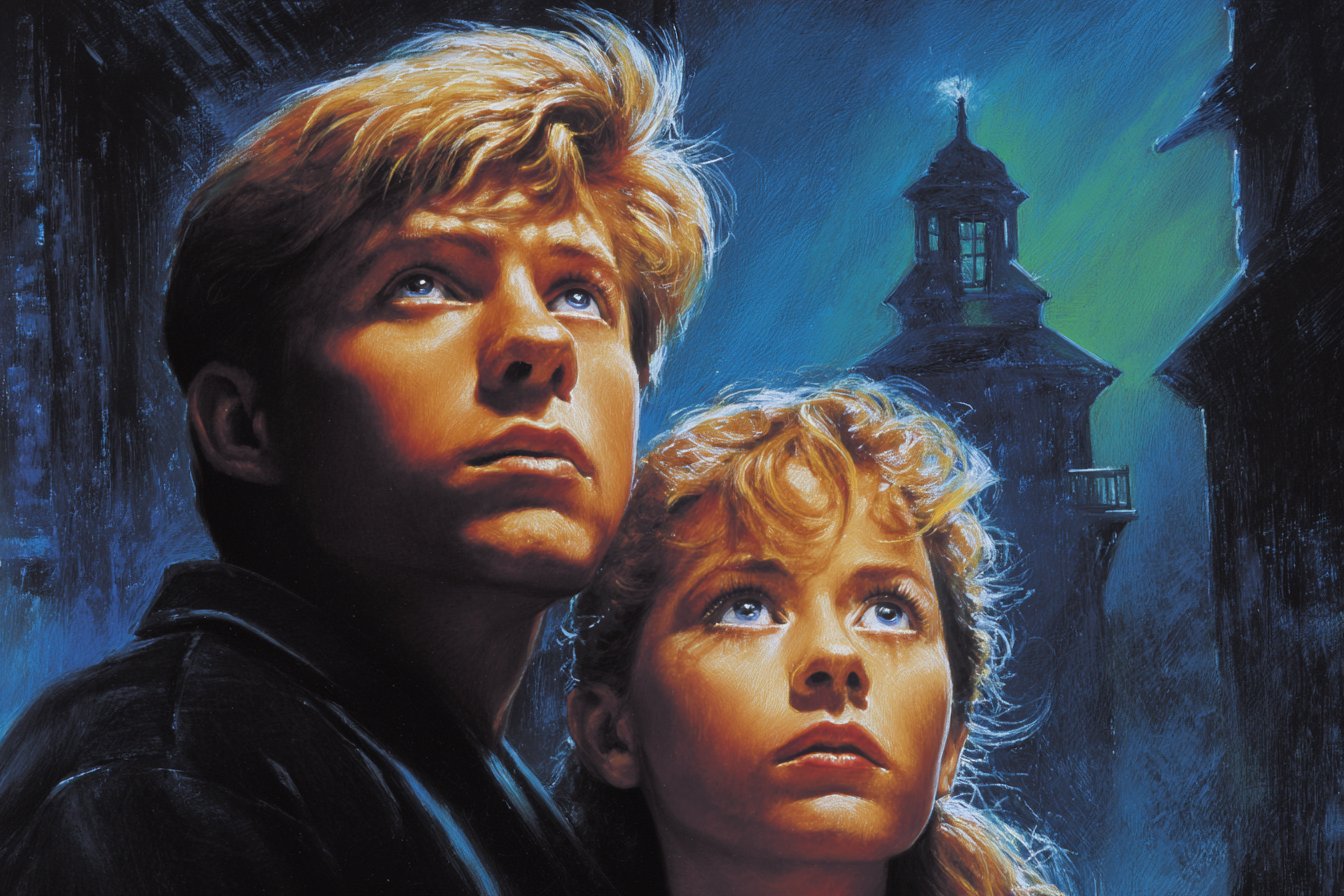
Gabriel was a true protagonist with actual flaws and motivations. He was not a mute avatar or a wisecracking hero. He was a writer struggling with nightmares, drawn to danger and completely out of his league when supernatural forces began to target him. His relationship with Grace Nakimura, his research assistant, developed organically through shared investigations, rather than forced romantic moments. These were characters and not simply point-and-click archetypes.
The supernatural aspects of the game were successful because they derived directly from the real New Orleans voodoo culture, rather than relying upon generic horror tropes. Clearly, Jensen did her research, consulting with actual practitioners and historians to produce a legitimate representation of voodoo. When Gabriel discovers that his family has a connection to Schattenjäger traditions, it does not feel like a convenient plot twist. It feels like discovering real hidden history. The game treated its setting and supernatural themes with respect, thus making them believable.
Voice Acting That Truly Enhanced The Game
I’m sure the Mega Drive couldn’t deliver Tim Curry voicing the antagonist in the manner of theatrical menace that made every scene full of tension. Gabriel Knight included voice acting that really helped tell the story instead of simply filling space with sound. Mark Hamill voiced Gabriel, bringing the right amount of curiosity and vulnerability, whilst Leah Remini as Grace added the perfect amount of intelligence and scepticism to ground the supernatural elements.
The voice direction understood that point-and-click games required performances that could support lengthy dialogue sequences without becoming tiresome. These were not cartoon voices shouting catchphrases. These were actors portraying characters through extensive dialogue sequences. Whether Gabriel was interviewing witnesses, or Grace was explaining research results, the performances kept you engaged and didn’t encourage you to hit the skip button.
More importantly, the voices were suitable for the mature tone Jensen was creating. This was not family friendly Sierra fare. This was adult horror that explored murder, occultism and family curses. The voice cast delivered lines with the seriousness the themes deserved, whilst keeping the pace of the investigation thriller moving.
The audio design of the game was equally impressive, supporting the voices and atmosphere. The New Orleans setting came to life through ambient sounds, music that switched between jazz and ominous orchestral pieces and audio effects that enhanced, rather than overwhelmed, the story. Every audio element supported the story and not technical abilities.
Puzzles That Respect Player Intelligence
Unlike many adventure games, the puzzles in Gabriel Knight were successful because they were developed organically as part of the story and not as obstacles to advance the game. Research was integral to puzzle solving in Gabriel Knight, separating it from simple inventory combinations. You couldn’t simply try every item with every hotspot. You needed to understand the practices of voodoo, the historical relationships between the characters and the supernatural laws governing the mystery. The game rewarded players who paid close attention to dialogue, read every book available and connected information presented in various conversations.
The difficulty curve of the game was excellent, accessible to new players and challenging to experienced players without ever being frustratingly difficult. Early puzzles introduced the player to the game’s logic and tone without overwhelming them with complexity. As the player progressed through the game, the puzzles became progressively more complex and required more attention to detail and thought, but within the established framework. Players that invested in the story had all the necessary information to solve the puzzles; players who rushed through the dialogue were left frustrated.
Visual Design That Prioritised Atmosphere Over Technical Showmanship
The visual design of Gabriel Knight prioritised atmosphere over technical showmanship, and I believe that was the correct decision. The hand painted backgrounds beautifully captured the Gothic architecture of New Orleans with attention to historical detail. Each area of the game felt authentic and not like another generic point-and-click game background. From the French Quarter to the Police Station, to even Gabriel’s cluttered bookstore, the game told a story through environmental design.
Character animation focused on personality rather than fluid motion. Gabriel’s somewhat clumsy demeanour, Grace’s precision movements, and Detective Mosely’s world-worn posture, all of these visual characteristics fit the voice acting and writing of the game. The game realised that memorable characters are far more important than smooth walking animations.
Gabriel Knight also handled the supernatural elements with restraint that made them even more frightening. Rather than excessive special effects, the game utilised subtle visual cues, dim lighting and suggestions to create fear. The nightmare sequences were successful due to symbolic imagery and psychological terror, rather than jump scares. This approach will ultimately age much better than games that relied primarily on technical effects.
Most importantly, the artistic direction was consistent throughout the game. Every single visual element fit the mature literary tone that Jensen established. This was not a game attempting to appeal to multiple demographics. It was a game designed specifically for sophisticated adult adventure gaming.
Why Gabriel Knight Was Relevant To Sierra Again
Gabriel Knight illustrated that adventure games could compete with developing genres by focusing on adult audiences with mature content. Whilst other developers were dumbing down adventure mechanics to attract action-game players, Jensen concentrated on developing more sophisticated storylines, more mature themes and more intellectually demanding puzzle designs. This focus on more complex content drew players who desired more sophisticated gaming experiences rather than faster ones.
Additionally, the game’s commercial success illustrated that computer gaming’s literary traditions remain viable when done properly. For years, British computer magazines were advocating for the creation of narrative-driven games, but American developers were far too busy developing for consoles. Gabriel Knight demonstrated that the Amiga’s approach to gaming, treating players like intelligent adults capable of dealing with complex content, could result in commercially viable products.
Moreover, the game established a model for future adventure games that would prioritise story integration over puzzle mechanics. Future classics such as The Longest Journey and Broken Sword followed the example set by Gabriel Knight of developing puzzles that fit within the confines of the story and not simply as arbitrary challenges. The game also influenced how future adventure games would incorporate voice-acting, research-based gameplay, and the presentation of mature content.
Gabriel Knight also demonstrated that horror can successfully exist in adventure gaming without relying upon action sequences or gore. The psychological horror and supernatural mystery that existed in Gabriel Knight created genuine fear through atmosphere and storytelling rather than cheap frights. This approach to genre would influence the development of adventure gaming for decades.
Playing Gabriel Knight Today
The 20th Anniversary Edition of Gabriel Knight is currently available on Steam and GOG. There exists a great divide in opinion regarding whether the updated visuals improve or detract from the original’s atmosphere. Regardless of whether you prefer the original VGA version or the updated version, both will provide the same essential story and voice acting that made the game so special.
For the sake of technical considerations, PCGamingWiki offers detailed compatibility notes for playing the game on modern systems. The game will function well on current hardware, although it may require additional configuration compared to many of the early 90s games that are available today. According to HowLongToBeat, completing the game’s main storyline will take approximately twelve hours, although thorough players who read all the dialogue and examine every detail will spend significantly longer playing the game.
A total of three games comprise the Gabriel Knight series, with both of the sequels continuing to focus on supernatural mystery and mature themes, although neither will match the original’s perfect blend of storytelling and puzzle design.
The Verdict: An Example of Adventure Gaming’s Literary Success
Gabriel Knight serves as proof that computer gaming can create sophisticated entertainment that rivals traditional forms of media. Jane Jensen created an interactive novel that happened to be a game rather than a game that happened to have a story. Gabriel Knight demonstrated that mature themes, complex characters, and intellectual puzzles could coexist in a form of entertainment that respects the intelligence of the player.
Gabriel Knight was not nostalgic gaming nor retro curiosity. It was an adult gaming experience that understood how to utilise interaction to enhance the story rather than disrupt it. Gabriel Knight earned its position as one of the greatest examples of adventure gaming’s successes by demonstrating that the genre could grow-up without sacrificing its fundamental identity. It remains the ultimate justification for why adventure games have relevance and continue to have relevance today.