Carl moderating this one, because if I let Joe write about Streets of Rage 2, he’d spend half the review arguing why it’s better than Streets of Rage 3, and we’d never actually discuss the game itself. So here’s the truth about why Streets of Rage 2 remains the definitive beat-em-up experience three decades after release.
Released in December 1992, Streets of Rage 2 took everything that worked in the original and made it better. Tighter controls, more varied movesets, four distinct playable characters, and Yuzo Koshiro’s soundtrack that defined what 16-bit audio could achieve. This wasn’t just iterative improvement – this was genre perfection.
What Made Streets of Rage 2 Special
The original Streets of Rage was good but limited. Three characters with minor differences, levels that felt samey, and difficulty that spiked randomly. Streets of Rage 2 fixed every issue while adding depth that kept players discovering new strategies years after release.
Four playable characters meant four distinct playstyles. Axel was the balanced brawler with powerful specials. Blaze offered speed and kick combos. Max was the slow powerhouse with devastating throws. Skate brought mobility and hit-and-run tactics. Each character required different approaches to the same levels, creating genuine replayability beyond just increasing difficulty.
The moveset expansion transformed basic brawling into strategic combat. Every character had unique throw animations depending on whether you grabbed from front or back. Running attacks added mobility options. Blitz moves created risk-reward decisions. Special moves that cleared crowds at the cost of health made resource management matter.
Level design understood pacing. The first stage eased players in with basic enemies and straightforward arena layouts. By stage five, you’re navigating narrow bridges with aggressive enemy placement and environmental hazards. The baseball stadium level added personality to locations that could’ve been generic beat-em-up backdrops.
The Combat System That Still Impresses
Streets of Rage 2’s combat had surprising depth beneath the button-mashing surface. Enemy behavior patterns were consistent enough to learn but varied enough to prevent autopilot play. The karate fighters required different timing than the fat guys with pipes. The dominatrixes (yes, really) had unique grappling patterns.
The friendly fire system added cooperative strategy. You could hurt your partner with throws and special attacks, requiring communication and positioning awareness. Playing cooperatively wasn’t just “both players mash buttons” – it was coordinating crowd control, managing who had which enemies, and not accidentally throwing your friend into a pit.
Weapons added tactical variety without overwhelming the core gameplay. Pipes extended reach and dealt solid damage. Knives attacked quickly but broke after limited uses. The occasional sword offered devastating power at close range. Learning when to grab weapons versus when to rely on bare-handed combat separated good players from great ones.
The grabbing system created juggling opportunities that weren’t immediately obvious. Certain character combinations could pass enemies between players, keeping them helpless while dealing continuous damage. The technical execution required precision timing, but pulling it off felt incredible. Sam discovered these techniques and won’t shut up about frame data.
Yuzo Koshiro’s Legendary Soundtrack
The music elevated Streets of Rage 2 beyond typical game audio into something genuinely memorable. Koshiro combined house, techno, and electronic music influences to create tracks that matched each level’s atmosphere while standing alone as excellent compositions.
Go Straight (Stage 1) established the game’s tone immediately – driving beats, confident synths, music that promised this would be worth your time. The repetition that could feel monotonous in lesser soundtracks worked here because the compositions had genuine hooks and progression.
Dreamer (the character select theme) became iconic enough that people recognized it decades later. The combination of piano melody over electronic backing created emotional weight unusual for beat-em-up games. It was simultaneously melancholy and hopeful, matching the game’s “taking back our city” narrative better than we realized at the time.
The boss theme (Under Logic) perfectly captured the anxiety and excitement of facing the game’s toughest challenges. The aggressive tempo and harsh synths created pressure that made victories feel more satisfying. Even the ending theme delivered emotional payoff that basic “you won” music rarely achieved.
Difficulty Balance and Accessibility
Streets of Rage 2 on Normal difficulty feels designed for two players with moderate skill. Solo play requires learning enemy patterns and efficient combat to survive. The higher difficulties (Hard, Hardest, Mania) transform the game into genuine challenges that test mastery of every system.
The continue system was generous enough to encourage learning without removing all consequence from death. Running out of continues meant restarting from the beginning, creating stakes that mattered. But you earned continues through play, and reaching certain points granted additional lives. The game wanted you to finish it, but required effort.
Boss fights tested everything you’d learned. Barbon moved aggressively and hit hard. The twin martial artists required pattern recognition and patience. Mr. X in his final form combined multiple attack patterns that required adaptability. Every boss had tells and vulnerabilities, but discovering them required observation and experimentation.
The branching path at stage five added replay value. Choose to rescue or kill the Commissioner, and you’d get different stage sixes with unique bosses. It was simple branching, but it meant replaying the game offered genuine new content rather than just trying higher difficulties.
Graphics That Pushed the Mega Drive
The sprite work in Streets of Rage 2 demonstrated what the Mega Drive could achieve with talented artists. Character animations were fluid, enemy designs were distinctive, and backgrounds had personality beyond basic functionality. The pixel art held up because artists understood limitations and worked within them creatively.
The parallax scrolling on backgrounds created depth without mode 7 rotation effects. The bridge levels showed multiple layers moving independently, creating proper three-dimensional space. The attention to background details – crowds cheering in the baseball stadium, rain effects in the later levels – showed polish beyond the minimum required.
Special move animations were deliberately excessive in the best way. When Axel does his dragon uppercut special, the screen flashes, enemies fly backwards, and everything emphasizes the move’s power. Max’s flying tackle covers half the screen and sends enemies flying. The visual feedback reinforced how effective these moves were meant to be.
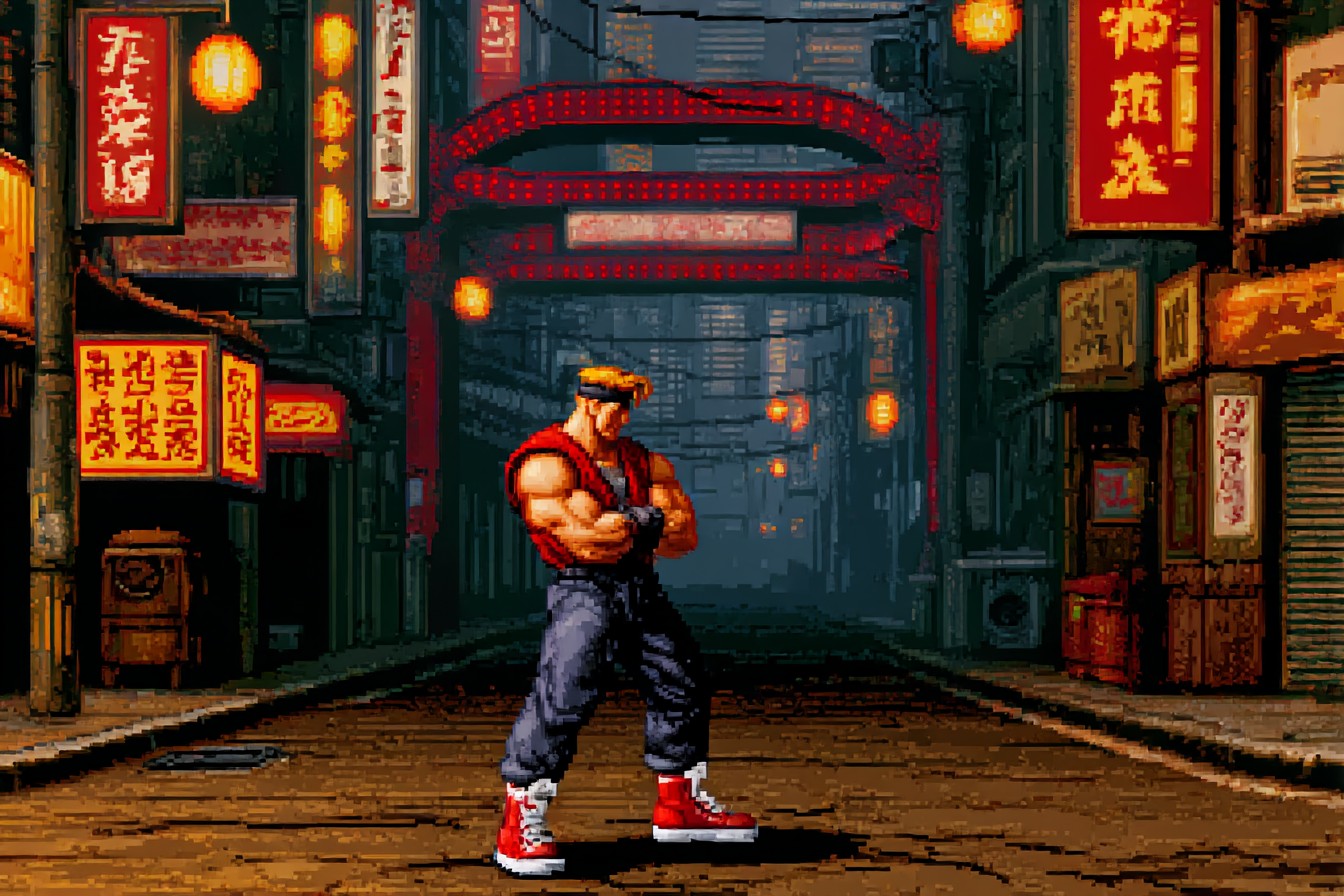
The color palette used the Mega Drive’s capabilities well despite the console’s reputation for harsher colors than SNES. The dark streets, neon-lit buildings, and industrial settings matched the game’s atmosphere. Some later stages ventured into more colorful territory that showed range beyond grimy urban environments.
Why Streets of Rage 2 Remains the Best
Arguments about whether Streets of Rage 2 or 3 is better will never end in our group. Joe champions 3 for its additional complexity and alternate paths. I maintain that 2’s balance of accessibility and depth makes it the superior experience. Both positions have merit, but 2’s broader appeal and cultural impact give it the edge.
Streets of Rage 2 understood that beat-em-ups needed to be fun immediately while hiding depth for players who wanted it. You could button-mash through Normal difficulty with a friend and have a great time. Or you could master the combo system, learn enemy patterns, and tackle Mania difficulty solo. Both approaches were valid and enjoyable.
The cooperative gameplay created memories that survived decades. Playing through the entire game with a friend, arguing about who got the extra lives, competing for higher scores while working together against the AI – these experiences defined why local multiplayer mattered. Modern gaming’s focus on online play lost some of this specific social experience.
Modern Access and Ports
Streets of Rage 2 appears on every Sega compilation released in the past twenty years. The Sega Genesis Classics collection on modern platforms includes it with online cooperative play. The Sega Ages version on Switch adds quality-of-life features. The recent Streets of Rage 4 reminded people why the series mattered while proving the core gameplay still works.
The Mr. X Nightmare DLC for Streets of Rage 4 included Streets of Rage 2’s soundtrack as a playable option, acknowledging Koshiro’s music’s legendary status. The fact that a modern game considered its decades-old predecessor’s soundtrack a selling point demonstrates the original’s lasting impact.
Speed-running and challenge communities keep finding new ways to push Streets of Rage 2’s mechanics. One-life runs, no-special-moves runs, solo runs on Mania difficulty – the game’s depth supports various self-imposed challenges. YouTube hosts countless superplays demonstrating mastery levels most players never imagined.
The Verdict
Streets of Rage 2 is the definitive beat-em-up. It’s accessible enough for casual play, deep enough for serious mastery, beautiful enough to remain impressive visually, and musical enough that the soundtrack transcends its origins as game audio. Every element combines into an experience that represents the genre at its absolute peak.
Is Streets of Rage 3 more complex? Yes. Does Final Fight have better arcade pedigree? Sure. Are there deeper modern interpretations of the genre? Probably. But for the complete package that balances every element perfectly, Streets of Rage 2 remains unmatched.
This is the game you’d show someone to explain why 16-bit beat-em-ups mattered. This is the experience that justified gathering friends around a television for local cooperative gaming. This is Sega delivering on every promise about what their hardware and developers could achieve.
And yes, Joe, I know you prefer the third game. You’re still wrong.