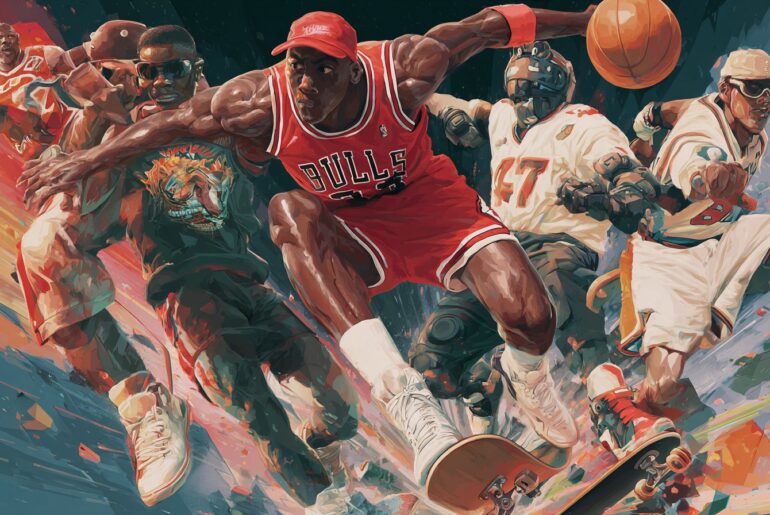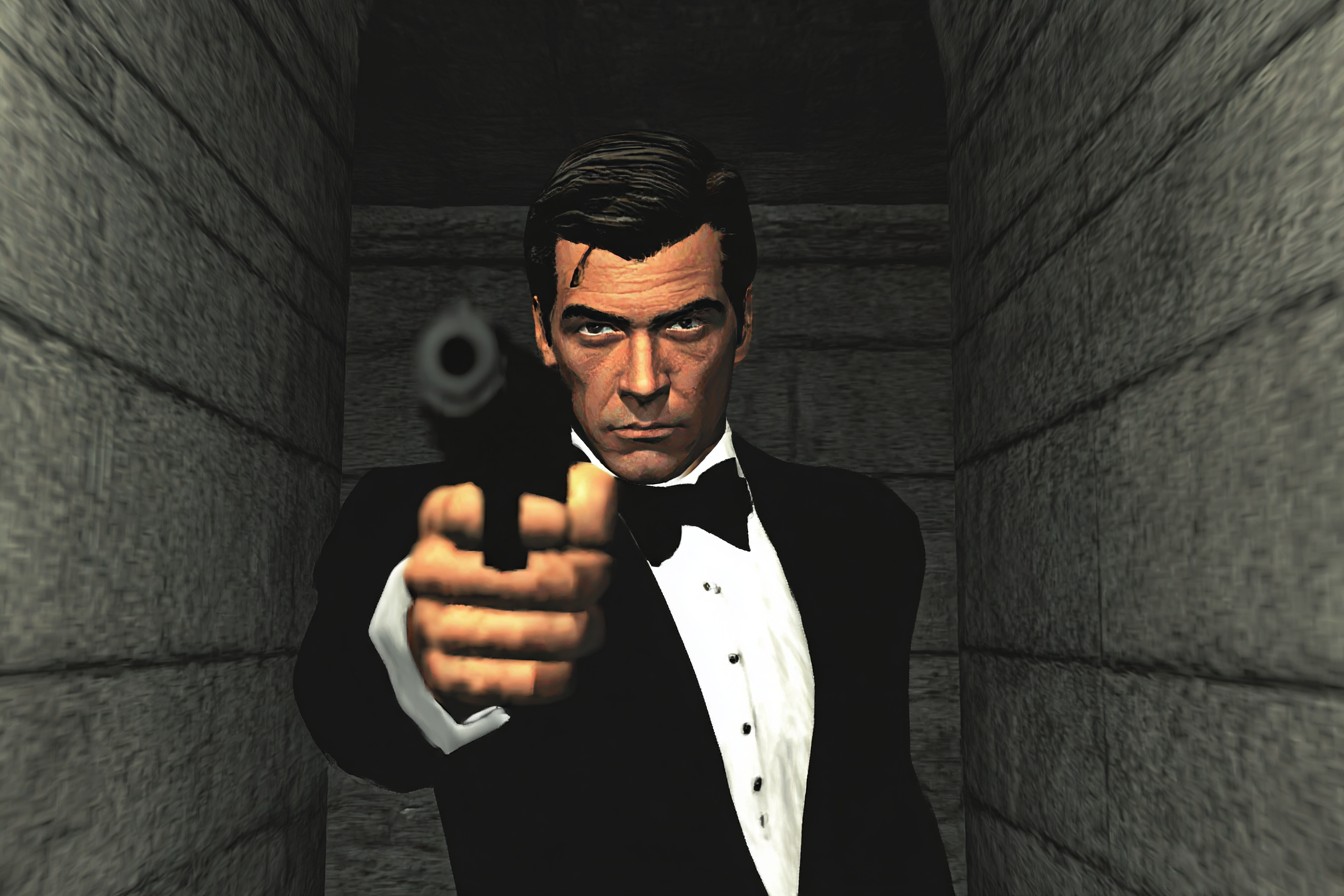
Look, ranking the ten best N64 games nearly ended friendships again. Carl had to mediate arguments that got genuinely heated. Joe kept trying to downrank everything because he’s still bitter about the Genesis not getting these games. Tim discovered the N64 late and started making fresh-perspective arguments that annoyed everyone. Sam demanded frame-perfect analysis of multiplayer balance. John wouldn’t shut up about how the Amiga could have done 3D better. But after three weeks of arguments, passive-aggressive Slack messages, and one Zoom call where we all got weirdly emotional about Majora’s Mask, we finally agreed on these ten games.
The Nintendo 64 launched in 1996 and changed everything. 3D gaming that actually worked. Analog stick controls that felt revolutionary after decades of digital pads. Cartridge-based gaming that let you load into worlds instantly without disc spinning. A controller that looked absolutely ridiculous but somehow fit your hand perfectly. And a games library so aggressively ambitious that even the PlayStation loyalists among us had to admit Nintendo nailed the transition to 3D in ways Sony’s first machine never quite managed.
Quick Rankings
The Legend of Zelda: Ocarina of Time – 3D Zelda perfection Super Mario 64 – The game that invented 3D platforming GoldenEye 007 – The FPS that proved consoles could do it The Legend of Zelda: Majora’s Mask – Ambition bordering on madness Perfect Dark – GoldenEye but actually better Banjo-Kazooie – Collectathon peak before the genre collapsed Star Fox 64 – On-rails shooting that still feels brilliant Mario Kart 64 – Friendship destruction in glorious 3D Kirby 64: The Crystal Shards – The underrated gem nobody talks about Paper Mario – An RPG that proved Nintendo understood adventure
1. The Legend of Zelda: Ocarina of Time (1998)
Genre: Action-Adventure | Developer: Nintendo EAD
Ocarina of Time took everything that made A Link to the Past untouchable and threw it into a fully realized 3D world. Link could move in full three dimensions, climb things, solve puzzles that required genuine spatial thinking, and fight enemies where positioning actually mattered. The time travel mechanic – playing as young Link in the past, then jumping to adult Link in a changed future – created two completely different experiences within one cohesive world. Bosses that required you to figure out patterns, track movement in three-dimensional space, and time your attacks with precision. Dungeons that were architectural masterpieces designed around the mechanics you’d just learned.
What makes it untouchable: The moment you put on the Ocarina and realize you’re manipulating time itself. The Ocarina Songs that change the world state – playing Epona’s Song to get your horse, playing the Sun’s Song to navigate Shadow Temple corridors, playing Saria’s Song to solve puzzles that seemed impossible. The Z-targeting system that became the standard for third-person action games for the next two decades. Hyrule Field feeling genuinely massive despite the N64’s technical limitations. The transition from childish wonder in the opening to the genuine horror of a world dying in the future. The final battle against Ganon that tests every skill you’ve learned. This wasn’t just a great game – it was a fundamental blueprint for how to do 3D adventure gaming that still holds up perfectly.
Still holds up? It’s literally the standard every 3D action-adventure game gets compared to. Breath of the Wild threw out half the conventions, but Ocarina’s DNA is still present in every major adventure game released in the last 25 years.
Read Carl’s defense of Ocarina of Time as the game that changed everything →
2. Super Mario 64 (1996)
Genre: Platformer | Developer: Nintendo EAD
Super Mario 64 didn’t just transition Mario to 3D – it invented what 3D platforming even was. The camera system that let you control where you were looking while Mario moved independently. The analog stick controls that gave you full 360-degree movement. Power stars scattered throughout Princess Peach’s castle that rewarded exploration and experimentation. Six massive paintings that were portals to entirely different worlds, each with multiple stars hidden in different ways – some for reaching them, some for solving puzzles, some for challenges that demanded precision and skill.
What makes it untouchable: The camera work that became the template for decades of 3D games. The level design that packed more ideas into a single world than most games fit into their entire experience. Peach’s Castle as the hub that changed as you collected stars – paintings disappeared, new areas opened, shortcuts became available. The sheer creativity of the Power Star challenges – a mine cart level in Lethal Lava Land, a submarine in Dire Dire Docks, racing a penguin down an ice mountain. The controls that felt impossibly responsive once you mastered them. The freedom to approach challenges in multiple ways. This wasn’t game design theory – it was game design perfection applied to practice.
Still holds up? The camera can get weird in certain areas, sure. But the core platforming, the level design, the exploration – it all feels as fresh today as it did in 1996. Every 3D platformer released since owes everything to this game’s foundation.
Read Timothy’s discovery of Super Mario 64 as the gold standard for 3D design →
3. GoldenEye 007 (1997)
Genre: First-Person Shooter | Developer: Rare
GoldenEye 007 proved that FPS games could work on console. Before this, everyone said it was impossible – the controller couldn’t handle precision aiming, console gamers didn’t want complexity, James Bond games were notoriously terrible. Rare looked at all of that and said “actually, watch this.” The Singleplayer campaign that felt like playing through an actual Bond film, with objective-based missions that demanded stealth, observation, and specific approaches rather than just run-and-gun action. The multiplayer that destroyed friendships in ways only GoldenEye could accomplish – split-screen combat where four players fought simultaneously with weapons that were balanced so perfectly that even the worst player could get lucky kills with a good weapon spawn.
What makes it untouchable: The control scheme that made console FPS controls actually work. The mission structure that let you approach objectives multiple ways – sneak through or go in guns blazing, take out guards quietly or create chaos. Oddjob’s hat weapon in multiplayer that everyone banned because it was cheap but everyone also used shamelessly. The Facility level where four friends could literally play for hours and never run out of new ways to murder each other. The cheat codes that unlocked everything – invincibility, big heads, various multiplayer modifiers. Rare understood that games should be fun first, balanced second. GoldenEye was both, and that combination was devastating.
Still holds up? The single-player campaign absolutely holds up – it’s a genuinely great Bond game first and foremost. The multiplayer is chunkier than modern shooters, sure, but the fundamental design is so sound that it’s still endlessly playable. If you can find a copy and an N64 with four controllers, you’ve got an evening that’ll remind you why GoldenEye mattered.
Read Joe’s historical breakdown of how GoldenEye changed console gaming forever →
4. The Legend of Zelda: Majora’s Mask (2000)
Genre: Action-Adventure | Developer: Nintendo EAD
Majora’s Mask is what happens when a developer says “let’s do the exact opposite of everything the previous game did.” Instead of Hyrule Field’s openness, Link is trapped in Termina with a three-day cycle – every 72 hours the world resets, Skull Kid steals your stolen Ocarina back, and you restart from the same morning. Instead of eight dungeons in any order, you’re racing against time. Instead of one transformation, you get three magical masks that completely change how Link plays – Deku Scrub Link who’s tiny and can float, Goron Link who’s invincible but slow, Zora Link who’s fast in water but vulnerable in air. Instead of one epic story, you get dozens of smaller character stories that play out across the three days – you can actually affect people’s lives, cause tragedy, enable redemption.
What makes it untouchable: The absolute courage of the design. Nintendo took the most beloved game on the console and said “we’re making something completely different and you’ll either love it or hate it.” The Rani’s Fountain transformation sequences that are genuinely unsettling. The Skull Kid relationship that’s tragic and weird and somehow works perfectly. The time loop structure that makes every playthrough feel important – you’re not just collecting items, you’re managing time and choosing which characters matter to you. The Transformation animations that are so elaborate they slow down the game’s frame rate but communicate everything you need to know about what’s happening. The dungeons that are smaller than Ocarina’s but packed with ideas. The Elegy of Emptiness boss that’s one of the most disturbing things Nintendo ever put in a game.
Still holds up? It’s divisive, which is exactly why it belongs on this list. Some people think it’s a masterpiece. Others think the time pressure ruins it. Both perspectives are valid. But everyone agrees it’s genuinely ambitious in ways most games aren’t.
Read John’s passionate defense of Majora’s Mask as Nintendo’s bravest design decision →
5. Perfect Dark (2000)
Genre: First-Person Shooter | Developer: Rare
Perfect Dark came out two years after GoldenEye and Rare basically said “okay, we proved console FPS can work, so here’s the better version.” Joanna Dark is a spy for the Carrington Institute, investigating a conspiracy involving alien technology and corporate espionage. The single-player campaign has more objectives than GoldenEye, more weapons, more enemy variety, more everything. The mission structure is more complex – you’re not just getting through an area, you’re coordinating with allies, using disguises, planning approaches around specific objectives. The multiplayer is GoldenEye’s foundation but with better weapon balance, more variety in gameplay modes, and an entire separate game-within-a-game called Combat Simulator where you can customize encounters however you want.
What makes it untouchable: Rare’s technical mastery at absolute peak. The game looks better than GoldenEye despite running on the same hardware. The AI is smarter – guards communicate, coordinate, flank you. The weapons are more creative – tranquilizer darts, proximity mines, rocket launchers that are actually useful. The combat simulator mode that let you create endless custom matches with specific weapon sets and enemy configurations. The fact that you could literally play this game forever because the customization options were that extensive. Joannas voice acting that made her feel like an actual character. The story that was genuinely interesting instead of just “stop the bad guy.”
Still holds up? The campaign is legitimately better than GoldenEye when you’re not looking through nostalgia goggles. The multiplayer feels slightly clunky by modern standards but the design is rock solid. This is the game that deserved way more recognition than it got, overshadowed by Halo taking over the FPS landscape just as Perfect Dark was releasing.
Read Samuel’s technical breakdown of how Perfect Dark perfected what GoldenEye started →
6. Banjo-Kazooie (1998)
Genre: Platformer | Developer: Rare
Banjo-Kazooie was the collectathon platformer done perfectly before everyone else figured out how to do it and then immediately ruined it by making every game about collecting 500 items scattered across 50 worlds. The bear and bird duo exploring five massive interconnected worlds, each one full of secrets, shortcuts, hidden areas, and collectibles that required different skills to reach. Jiggy pieces that opened new worlds and new shortcuts. Musical Notes that unlocked areas. Honeycombs that upgraded health. Mumbo Tokens that let you transform into different creatures – termite, pumpkin, crocodile, walrus, and more. Every transformation changed how you approached puzzles and platforming challenges.
What makes it untouchable: The sheer charm and personality. Banjo and Kazooie’s banter. The worlds that felt genuinely distinct – Treasure Trove Cove with its pirate ship, Clanker’s Cavern with its underwater machinery, Gobi’s Valley with its desert pyramids and Sphinx puzzles. The challenge of finding all the collectibles without a guide – some were obvious, some required genuine observation and experimentation. The boss fights that were creative and fun rather than frustrating. The Grunty’s Lair boss rush that was genuinely difficult but fair. The humor that landed – stupid puns, meta-commentary, characters that were entertainingly weird without being obnoxious.
Still holds up? Absolutely. The platforming feels tight, the controls respond perfectly, and the worlds are packed with enough content that you can spend hours exploring without it feeling like padding. This is the collectathon template that works, which makes it extra frustrating when you look at the genre it spawned and realize how few games managed to capture what Banjo-Kazooie nailed so effortlessly.
Read Timothy’s appreciation for Banjo-Kazooie as the peak of collectathon design →
7. Star Fox 64 (1997)
Genre: On-Rails Shooter | Developer: Nintendo EAD
Star Fox 64 took the SNES original and enhanced it in basically every way. The Rumble Pak accessory that made your controller vibrate, which sounds gimmicky but actually communicated gameplay information. Multiple paths through each stage – you could follow the obvious route or find shortcuts and alternate paths. Boss fights that felt genuinely challenging. The multiplayer dogfighting mode where four players could fight each other in real-time, which was genuinely revolutionary for the N64. Fox McCloud and his team’s personality – Falco’s arrogance, Slippy’s anxiety, Peppy’s wisdom. The fact that you were piloting an Arwing through carefully constructed environments where on-rails didn’t mean on-rails, it meant freedom within a specific space.
What makes it untouchable: The recognition that on-rails shooters don’t have to be linear. The stage design that rewards observation and skill – spotting alternate routes, learning enemy patterns, timing your shots perfectly. The Rumble Pak implementation that made you feel every explosion and impact. The boss designs that tested everything you’d learned about combat and positioning. The branching stage structure that meant replaying the game felt fresh because you’d take different routes. The arcade sensibility that understood fun mattered more than perfect balance. The fact that you could beat the entire game in about thirty minutes but wanted to play it fifty more times.
Still holds up? Yes, though you need the Rumble Pak to get the full experience. The gameplay is tight, the stages are brilliantly designed, and the arcade spirit still shines through. Modern shooters are more complex, sure, but Star Fox 64 proved that simplicity executed perfectly is infinitely more satisfying than complexity executed poorly.
Read Joe’s analysis of how Star Fox 64 perfected arcade sensibilities on modern hardware →
8. Mario Kart 64 (1996)
Genre: Racing | Developer: Nintendo EAD
Mario Kart 64 didn’t revolutionize the formula established by the SNES original, but it brought it into 3D with enough polish and charm that it’s still endlessly playable. Eight racers tearing around 3D tracks that looked gorgeous at the time and still hold up reasonably well today. Battle Mode where you’re in enclosed arenas trying to destroy each other with items instead of racing. The item balance that was somehow perfect – red shells that tracked you relentlessly, blue shells that would destroy whoever was winning, green shells for bouncing around corners, lightning that devastated everyone. Tracks that ranged from straightforward circuits like Mario Raceway to genuinely technical challenges like Bowser’s Castle with its ridiculous jumps.
What makes it untouchable: The local multiplayer that could destroy friendships just like the SNES original but in 3D. The track design that rewarded learning shortcuts and racing lines. The fact that anyone could win even if they weren’t skilled – item distribution meant lucky players could overcome skill gaps. The personality of each character – different handling speeds and acceleration made choosing your racer meaningful. The feeling of pulling off a perfect drift boost just as the AI was about to overtake you. The ridiculous satisfaction of hitting someone with a red shell right before the finish line.
Still holds up? The graphics are definitely showing their age. The camera can be weird. But the core racing gameplay, the item balance, the track design – it all feels satisfying. Sure, later Mario Kart games have more technical depth, but MK64 is still genuinely fun.
Read Samuel’s breakdown of the item balance that made Mario Kart 64 work →
9. Kirby 64: The Crystal Shards (2000)
Genre: Platformer | Developer: Nintendo 64 DD / Hal Laboratory
Kirby 64 is the game nobody talks about that should be talked about way more. The power-up system where Kirby could combine two different Copy Abilities to create hybrid powers – combination rock-bomb, combination sword-beam, combination ice-wind. The level design that rewarded experimentation – you’d find an obstacle, try different combinations until something worked, then realize you’d discovered a secret area nobody expected. The gorgeous pre-rendered backgrounds that made the game look almost like hand-drawn animation. The gentle difficulty curve that was welcoming to younger players but had enough challenge for veterans.
What makes it untouchable: The complete absence of pretense. This isn’t trying to be dark or edgy or overly complex. It’s a platformer about a pink ball who eats things and gets powers, and it does that perfectly. The combination mechanic that sounds simple but creates incredible depth – not just in gameplay but in how you approach exploration. The Boss fights that teach you about your powers while challenging you. The music that’s charming and memorable without being intrusive. The visual polish that made a colourful platformer look better than games with ten times the budget. The fact that it proved you don’t need a revolutionary mechanic to make a great platformer – you just need execution and charm.
Still holds up? Completely. It’s a perfect example of how technical limitations forced creativity. The pre-rendered backgrounds on cartridge meant careful artistry. The combination system meant puzzle design and exploration. The result is a game that’s elegant instead of bloated.
Read Carl’s appreciation for Kirby 64 as underrated platforming excellence →
10. Paper Mario (2000)
Genre: RPG | Developer: Intelligent Systems
Paper Mario proved that Nintendo could do non-traditional storytelling in RPG form. Mario is paper-thin (literally) and adventures through a world that’s also two-dimensional in aesthetic but three-dimensional in scope. The turn-based combat system where you’re not just selecting commands – you’re performing actions in real-time. Press the button at the right moment to increase damage. Time your defense to reduce incoming hits. The partners that join your party and have distinct personalities and abilities. The story that actually has character development and emotional moments instead of just “save the princess.”
What makes it untouchable: The absolute charm of the writing. Paper Mario’s voice acting, the partner banter, the NPC personalities that feel distinct. The combat system that kept turn-based battles engaging through the entire game without becoming repetitive. The exploration that rewarded curiosity – you’re not following quest markers, you’re figuring out where to go based on talking to NPCs and observing the world. The boss fights that had personality – Bowser wasn’t just a threat, he was a character with motivations and growth. The Thousand-Year Door sequel would be even better, but the original proved the formula worked. This was an RPG that respected player time and player intelligence simultaneously.
Still holds up? The writing holds up beautifully. The turn-based combat is still engaging. The exploration still feels rewarding. The character moments still land. This is a game that proved RPGs didn’t need to be massive 100-hour commitments to be meaningful – they just needed to respect what they were trying to do.
Read John’s analysis of how Paper Mario revolutionized Nintendo’s RPG approach →
The Games That Didn’t Make It (And Why We’re Still Arguing)
Creating this list meant leaving off games that absolutely deserved consideration. Donkey Kong Country 2 – wait, that’s SNES. Diddy Kong Racing which some of us genuinely think is better than Mario Kart 64. F-Zero X with its insane speed and track design. Conker’s Bad Fur Day which was ambitious before it became a trainwreck. Extreme-G with its futuristic racing speed. Wave Race 64 which perfected arcade water-physics. Kirby’s Air Ride which was weird and didn’t quite work but was genuinely ambitious.
We argued about every single one of these. Sam went to bat hard for F-Zero X’s track design. John insisted Conker deserved a spot if Majora’s Mask was in. Tim wanted to push Kirby 64 higher because nobody appreciates it. Joe kept arguing that Diddy Kong Racing was legitimately better designed than Mario Kart 64. Carl had to physically mute people multiple times. But in the end, these ten games represent not just quality – they represent the titles that defined what the N64 could accomplish and influenced gaming for the decade that followed.
If your favorite didn’t make the list, we get it. The N64 library was so genuinely ambitious that any top ten is going to leave off somebody’s cherished memory. Feel free to yell at us in the comments. We’re used to it. We’ve been yelling at each other about this for weeks.
Individual game deep-dives written by whichever New Player Ready crew member fought hardest for that game’s inclusion. Because passion should be rewarded, even when it’s slightly unhinged.
New Player Ready