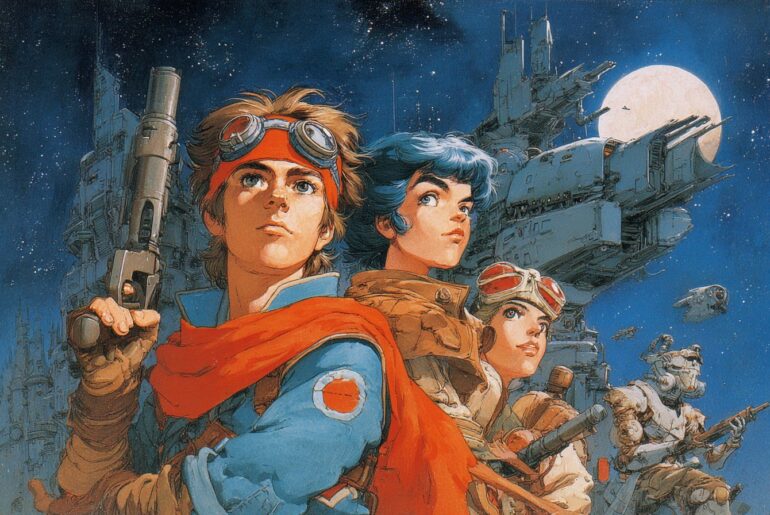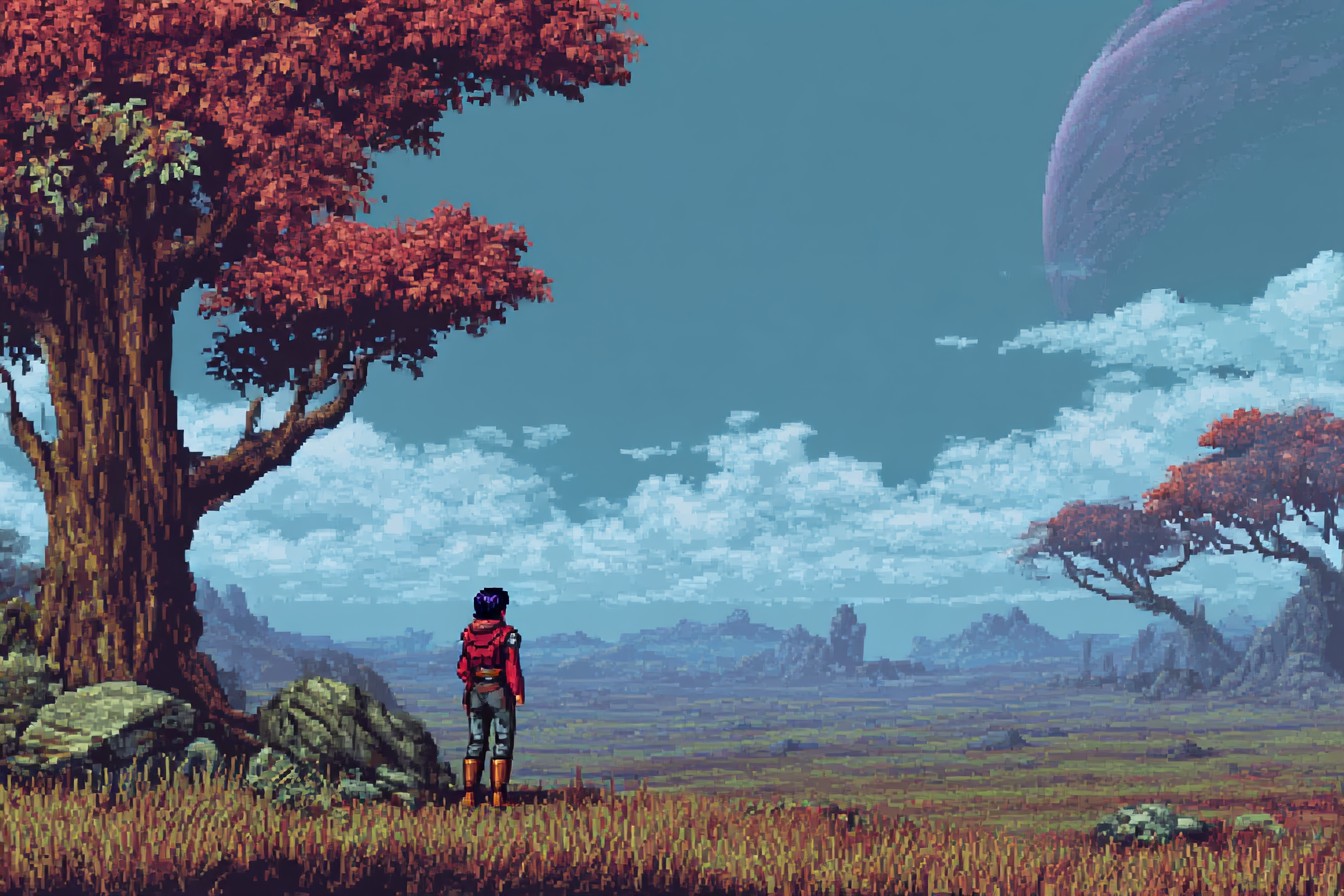
Sam analyzing the technical achievement: Phantasy Star IV represents Sega’s most ambitious RPG effort, combining strategic combat depth with manga-style presentation and sci-fi storytelling that differentiated it from fantasy-focused competitors. Released in December 1993 at the premium price of £80, this was Sega betting heavily that their RPG could compete with Square’s output.
The commercial reality was harsh – that £80 price tag limited sales significantly. But the game itself delivered on ambition. The combat system’s combination moves, the manga cutscenes that added narrative weight, the post-apocalyptic sci-fi setting, the massive scope – everything showed what Sega could achieve with proper development time and budget.
The Combat System’s Strategic Depth
The macros system revolutionized RPG combat efficiency. You could program common action sequences – healing rotations, specific attack combinations, defensive setups – and execute them with single inputs. This reduced tedious menu navigation in random encounters while maintaining full control when needed. The quality-of-life improvement was ahead of its time.
The combination attacks rewarded party composition strategy. Certain character pairings could execute special moves unavailable individually. Discovering these combinations added experimentation incentive beyond just leveling up. The system encouraged trying different party configurations rather than sticking with one lineup.
The varied enemy types demanded tactical adaptation. Some foes required elemental weaknesses exploitation. Others needed status effect strategies. Boss fights combined multiple mechanics that tested understanding of every combat system. The depth prevented autopilot play common in many JRPGs.
Manga Cutscenes That Changed RPG Storytelling
The animated manga-style cutscenes added cinematic weight to key story moments. Important character revelations, major plot twists, emotional peaks – all received visual treatment that elevated them beyond text boxes. The illustrated panels with character poses and effects created drama that pure text couldn’t match.
The art style’s quality rivaled professional manga publication. Character designs were distinctive, action scenes had dynamic composition, emotional moments featured appropriate facial expressions. This wasn’t cheap visual novel presentation – this was genuine manga-quality artwork integrated into game narrative.
The cutscenes’ strategic placement prevented overuse. Major story beats got full treatment while smaller moments used traditional text. This balance maintained impact through scarcity while ensuring budget went toward most important scenes. The restraint made each cutscene feel special.
The Sci-Fi Setting That Stood Apart
While Square focused on fantasy worlds, Phantasy Star IV committed fully to science fiction. The post-apocalyptic Algol system, the ancient technology, the blend of magic and science, the planetary travel – everything reinforced the setting’s uniqueness. This wasn’t generic medieval fantasy with crystals.
The world-building connected to previous Phantasy Star games while remaining accessible to newcomers. References to past events added depth for series veterans without confusing new players. The lore felt substantial, with multiple civilizations, historical events, and technological eras creating proper history.
The dungeon design reflected the sci-fi setting. Ancient ruins featured technological traps. Bio-labs had organic enemies. The space stations combined futuristic architecture with abandoned atmosphere. Every location felt appropriate to the world rather than generic RPG dungeons with different aesthetics.
Why It Couldn’t Compete Commercially
The £80 price point was commercial suicide. Final Fantasy III (VI in Japan) cost £50-60. Chrono Trigger would cost £50-60. Phantasy Star IV’s premium pricing made it luxury purchase that most players couldn’t justify. The game’s quality couldn’t overcome economic reality.
The timing was unfortunate – December 1993 meant competing with established RPG franchises during holiday season. Square had built massive JRPG audiences through multiple releases. Phantasy Star IV needed to convert players to a different series while charging premium prices. The market dynamics were brutal.
The Mega Drive’s smaller RPG library meant limited audience. SNES owners had multiple quality RPGs creating expectations and literacy. Mega Drive owners hadn’t developed similar RPG habits. Asking them to pay £80 for a genre they hadn’t extensively played was tough sell.
The Modern Legacy
Phantasy Star IV’s combination attack system influenced future RPGs. Chrono Trigger’s dual and triple techs used similar concepts. Modern RPGs frequently feature combo systems descended from Phantasy Star IV’s innovation. The idea of rewarding party synergy became standard.
The manga cutscene approach presaged visual novel integration in JRPGs. Later games would expand on this presentation style. The concept that story moments deserved visual treatment beyond text boxes became expected rather than novel.
The sci-fi JRPG setting remains rare. Most JRPGs default to fantasy worlds. Phantasy Star IV showed alternative settings could work, but few developers followed. The space remains largely unexplored compared to fantasy saturation.
The Verdict
Phantasy Star IV is Sega’s best RPG effort on Mega Drive and strong contender for top-tier 16-bit JRPG. The combat depth, presentation innovation, and setting originality combined into something genuinely impressive. The commercial failure doesn’t diminish the achievement – this was Sega competing with Square on quality while differentiating through science fiction setting.
For understanding what Mega Drive RPGs could achieve, Phantasy Star IV provides the answer. It proved Sega could create RPGs matching technical quality of SNES offerings while bringing unique ideas. The execution demonstrated that Mega Drive could handle complex RPG systems despite hardware limitations. This deserved better commercial success than it received.