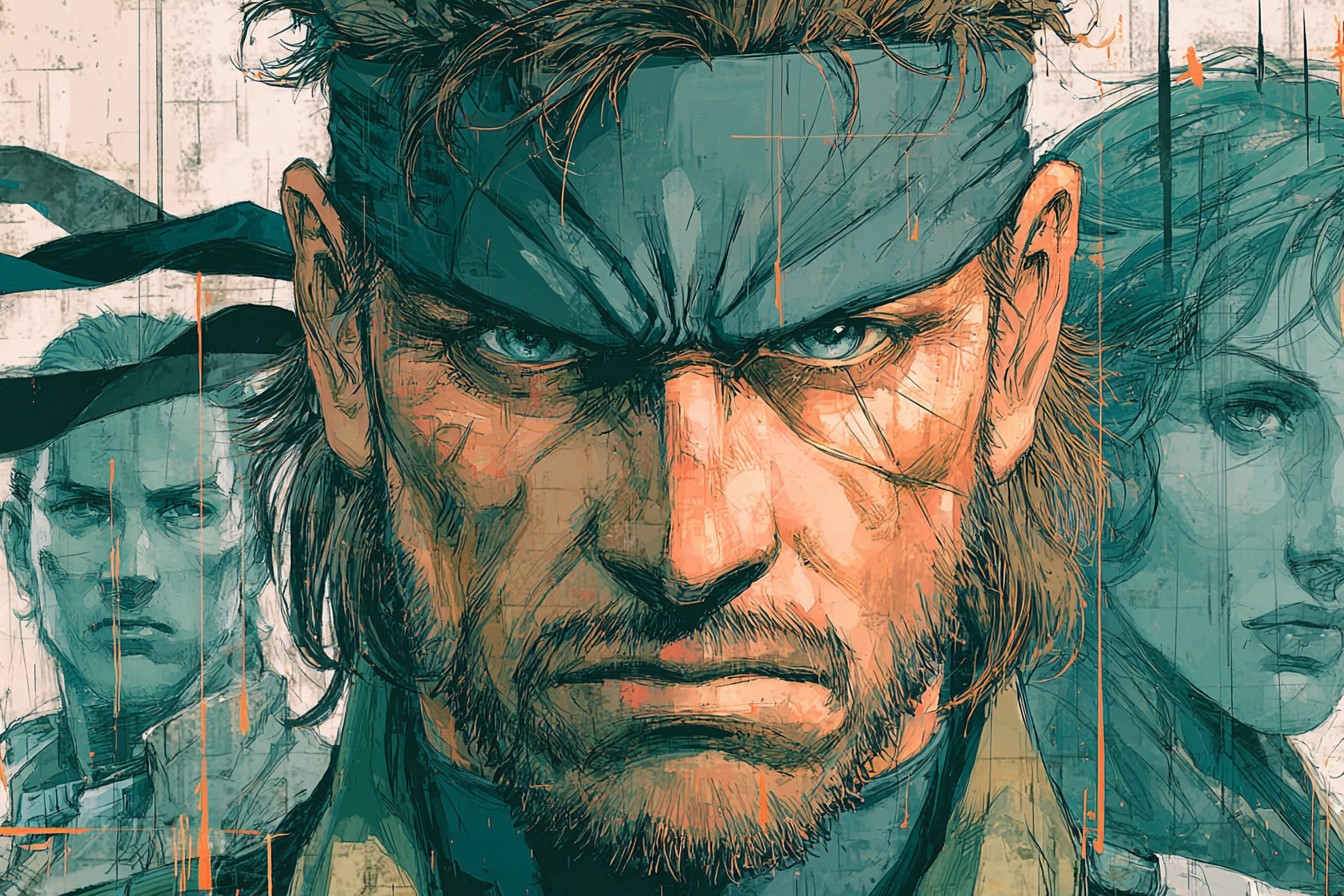
I’ve been gaming since the early 1980s, which means I’ve watched enough ambitious projects to recognize when a developer genuinely understands their vision. Metal Gear Solid is Hideo Kojima showing absolute mastery of game design and narrative simultaneously. This is a stealth game where stealth isn’t just an option – it’s the entire philosophy. The game respects that philosophy completely. You can fight, but fighting is failure. You can kill, but killing compromises the experience. The optimal approach is sneaking through completely undetected, and the game designs every system toward supporting that.
The story is absurd – a nuclear-armed cyborg with psychic powers, an experimental soldier with genetic modification, a spy with a convoluted past. But Kojima commits to this absurdity completely and somehow makes it work. The presentation, the voice acting, the cinematics – everything serves the story. This is game design where narrative and mechanics are completely integrated.
What Metal Gear Solid Actually Does
You’re Snake, a special forces operative infiltrating a nuclear weapons facility called Shadow Moses to stop a rogue unit from launching a nuclear missile. You’re guided through codec conversations by your commanding officer. You’re encountering soldiers with different patrol patterns. You’re managing limited equipment. You’re solving environmental puzzles. You’re preparing for boss fights that test your understanding of the game systems.
The stealth mechanics are straightforward conceptually but deep mechanically. You’re managing visibility based on light and cover. You’re listening for guard communications through the codec. You’re planning routes through environments. You’re managing equipment – you have a limited inventory that forces meaningful choices. Do you bring the gun, or the rations, or the mine detector? Every choice has consequences.
The game teaches these mechanics through gameplay. Early levels are straightforward and forgiving. Later levels demand mastery of everything simultaneously. The difficulty scales perfectly from tutorial-like simplicity to genuine challenge.
Why Stealth Games Didn’t Exist Before This
Here’s what Kojima understood that other developers didn’t – stealth could be the core mechanic rather than just an option. Before MGS, stealth games were basically action games where you could be sneaky. MGS said “stealth is the entire point. Fighting is failure. Your goal is to complete the mission without being detected.”
This required designing every system to support that philosophy. Guard AI that’s smart enough to challenge careful planning. Level design that rewards observation and planning. Equipment that supports stealth rather than combat. Story that frames stealth as the legitimate approach. All of this served a singular design goal.
The codec conversations aren’t just exposition – they’re character development and world-building. Your commanding officer talks you through challenges. You’re gathering intelligence. The game is using audio in sophisticated ways to build atmosphere and provide information.
The Narrative Integration That Defined Gaming Storytelling
What struck me about MGS is how completely Kojima integrated narrative and gameplay. The story isn’t separate from the game – it’s woven through the gameplay completely. There are moments where the game directly addresses the player. Fourth-wall-breaking moments that make you question what’s real. The final boss fight involves gameplay mechanics that reference the game itself.
This was genuinely innovative for 1998. Games told stories through cutscenes or text. MGS was using the game itself to tell story through mechanics and through directly addressing the player. The PlayStation reveal at the end where Psycho Mantis reads your save file to manipulate you – that’s masterful game design that uses the medium’s specific capabilities.
The voice acting is genuinely excellent. Snake’s voice actor David Hayter delivers every line with conviction. The supporting cast is strong. The codec conversations are written well enough that you’re genuinely invested in these characters despite experiencing them entirely through audio.
The Technical Achievement
The graphics weren’t cutting-edge even for 1998, but the art direction was strong. The guards have distinct appearances that communicate their role. The environments are detailed enough to create atmosphere without being technically flashy. The animation is smooth and communicates information about character state.
The soundtrack by Harry Gregson-Williams is genuinely excellent. The infiltration theme builds tension gradually. The boss fight themes are distinctive and memorable. The credits theme is emotionally resonant. This is soundtrack design that serves the experience perfectly.
Does Metal Gear Solid Still Hold Up?
The controls feel slightly stiff by modern standards but they work perfectly for the deliberate pacing MGS establishes. Moving slowly and carefully is the point. Rushing is failure. That design philosophy requires careful controls, not fast-twitch response.
The story is absolutely bonkers but delivered with such commitment that you’re genuinely invested. The gameplay is still engaging. The stealth mechanics still work. The boss fights are still creative and challenging. The replay value comes from the multiple approaches you can take to any situation.
The graphics are obviously dated. The character models are crude by modern standards. But the art direction carries the experience. The atmosphere is still effective.
Why This Game Changed Game Design
Metal Gear Solid proved that stealth could be a core mechanic at AAA scale. It proved that narrative and gameplay could be completely integrated. It proved that games could address the player directly and enhance rather than break immersion. Everything that came after learned from MGS.
Splinter Cell learned MGS’s stealth philosophy but made it more action-oriented. Dishonored learned to give players systemic freedom. Every stealth game since has built on the foundation that MGS established. Game narratives became more ambitious partly because MGS proved you could do complex storytelling in games.
The Verdict
Metal Gear Solid is a game that matters both historically and as a pure experience. The stealth design is innovative and engaging. The narrative integration is masterful. The boss fights are creative and challenging. The soundtrack is excellent. The voice acting is strong. The character development happens through interaction rather than exposition.
This is a game where technical limitations don’t hold back the experience because the design philosophy is so strong. You’re not playing this for cutting-edge graphics – you’re playing this because the game design and narrative are genuinely excellent.
If you’ve never played it, approach it understanding that it’s deliberately paced. This isn’t an action game – it’s a stealth game where patience is rewarded. The story is absurd but the commitment to that absurdity makes it work.
Rating: 10/10 – The game that proved stealth and narrative could define a complete experience