Category

Uncategorized

Category

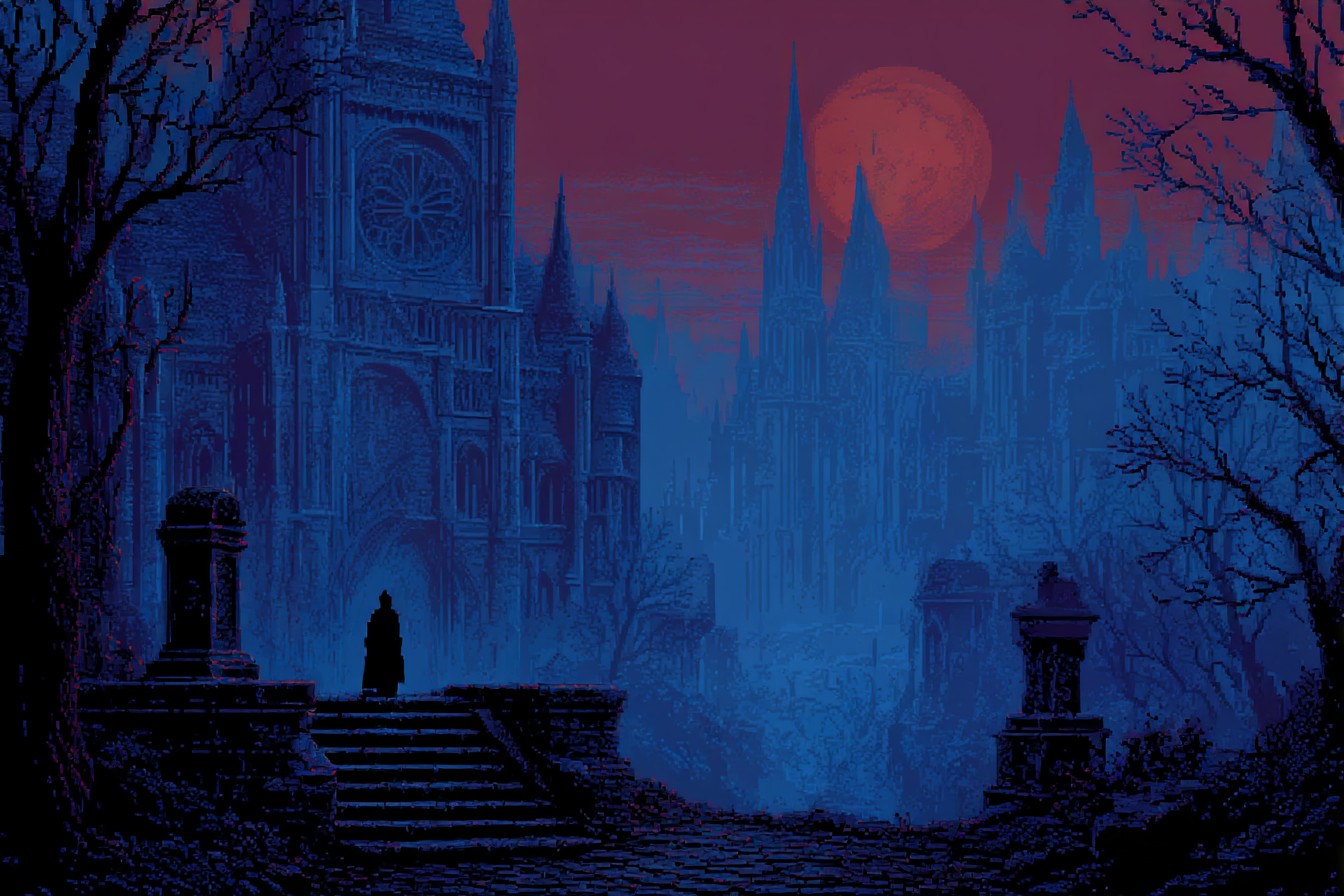
Joe here, and I need to address something that bothered me throughout the 16-bit era: Konami’s apparent favoritism toward Nintendo consoles. The SNES got three mainline Castlevania games while Mega Drive owners watched from the sidelines. So when Castlevania: Bloodlines finally arrived in March 1994, it felt like validation – proof that Konami took Sega’s hardware seriously enough to deliver gothic platforming excellence. This wasn’t a port or a lesser version of something Nintendo got…
Look, we’ve spent three weeks arguing about this list. Joe threatened to leave the group chat twice. Tim asked what a “blast processor” was and we nearly kicked him out. But here we are: the ten Mega Drive games that defined Sega’s 16-bit era, ranked by five middle-aged blokes who still can’t agree on anything. Fair warning – this isn’t some objective, data-driven analysis. This is five gaming veterans with strong opinions, selective memories, and…

Sam analyzing the technical achievement: Phantasy Star IV represents Sega’s most ambitious RPG effort, combining strategic combat depth with manga-style presentation and sci-fi storytelling that differentiated it from fantasy-focused competitors. Released in December 1993 at the premium price of £80, this was Sega betting heavily that their RPG could compete with Square’s output. The commercial reality was harsh – that £80 price tag limited sales significantly. But the game itself delivered on ambition. The combat…

Joe’s take, and yes, I’m still annoyed Carl keeps insisting Revenge of Shinobi was the better game. He’s wrong, and Shinobi III proves it. This is where Sega finally nailed the ninja action formula they’d been refining across multiple games. The controls felt perfect, the level variety stayed interesting, and that surfing level remains one of gaming’s greatest moments. Fight me. Released in July 1993, Shinobi III: Return of the Ninja Master represented the pinnacle…

Carl here, and I need to be honest about something: when Gunstar Heroes released in September 1993, I didn’t fully appreciate what Treasure had accomplished. It looked chaotic, sure, but so did plenty of games. Only after replaying it dozens of times did I realize this wasn’t just another run-and-gun – this was Treasure announcing themselves as the studio that would consistently push hardware beyond what seemed possible. Treasure formed from ex-Konami developers who wanted…

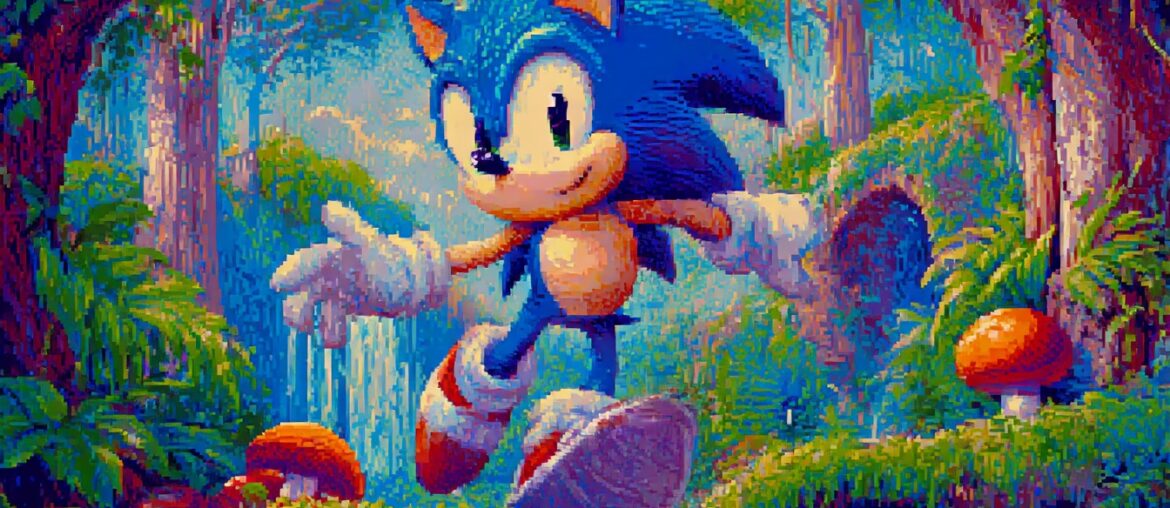
Sam’s perspective on technical achievement: Sonic 3 & Knuckles represents the culmination of everything Sonic Team learned across three games, combined with lock-on technology that created the most ambitious platformer on Mega Drive. This wasn’t just the best Sonic game – it was proof that creativity and technical innovation could combine into something genuinely special. Released across two cartridges in 1994 (Sonic 3 in February, Sonic & Knuckles in October), the complete experience required connecting…

Carl moderating this one, because if I let Joe write about Streets of Rage 2, he’d spend half the review arguing why it’s better than Streets of Rage 3, and we’d never actually discuss the game itself. So here’s the truth about why Streets of Rage 2 remains the definitive beat-em-up experience three decades after release. Released in December 1992, Streets of Rage 2 took everything that worked in the original and made it better.…

Joe here. This is the hill I’ll die on: Sonic the Hedgehog 2 is not just the best Sonic game – it’s the game that justified buying a Mega Drive instead of a SNES. I’ve had this argument approximately seven hundred times with Carl, and I’m having it again now in writing so there’s permanent evidence that I’m right. Released in November 1992 on “Sonic 2’s Day” (yes, Sega created a global launch event for…

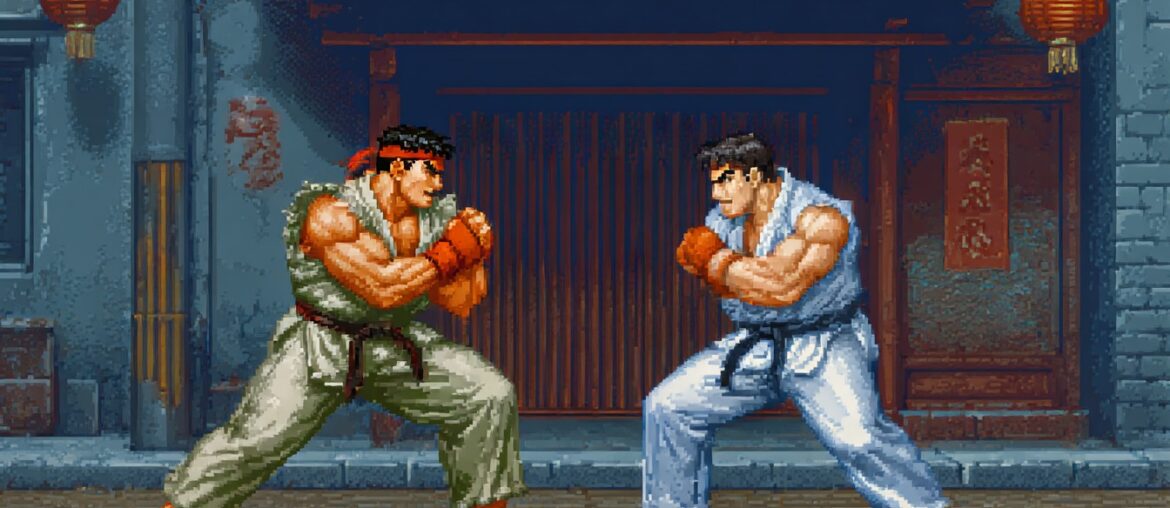
Look, I need to establish my credentials upfront – I’ve been playing Street Fighter II since it hit arcades in 1991. I spent quarters I should have been using for lunch. I practiced dragon punches until I could do them blindfolded. I learned frame data before I knew what frame data was called. So when the New Player Ready crew started debating our SNES rankings, I came prepared with tournament footage, win-rate statistics, and a…

Coming to Donkey Kong Country without 1994 context means I missed the “holy crap look at these graphics” moment that defined its launch. I played it for the first time in 2021, three decades after release, when pre-rendered 3D sprites look quaint compared to modern games. So I can tell you objectively: once you get past the dated graphics, Donkey Kong Country is a legitimately great platformer with excellent level design and tight controls. During…