Standing in my mate Dave's living room on a Tuesday evening in 1993, watching him unpack a shiny new Mega Drive, I had no idea I was witnessing the opening shots of what would become gaming's most legendary battlefield. The box art promised "blast processing" – whatever that meant – and honestly, we were too busy arguing about whose turn it was to plug the RF lead into the telly to care about marketing nonsense.
But that moment? That was when the lines were drawn.
See, I'd been team Nintendo since Christmas '89, when Santa (cheers, Mum) delivered that grey box bundle with Duck Hunt and Super Mario Bros. The thing looked like a toaster that had given up on bread, but Christ, it was magic. Dave going Sega felt like betrayal wrapped in 16-bit graphics and a blue hedgehog with attitude problems.
What we didn't realize was that we'd become foot soldiers in a war that would reshape everything about how games were made, sold, and talked about for the next decade. The playground became a battlefield where allegiances were tested daily. "Genesis does what Nintendon't" wasn't just an advertising slogan – it was fighting words that could end friendships or at least delay them until after school.
Nintendo had ruled the roost for years with their iron fist approach. Third-party developers couldn't release games on other systems without permission, and that permission came with strings attached that would make a puppet jealous. They controlled everything – release schedules, cartridge manufacturing, even how many games a company could publish per year. It was brilliant business, absolutely ruthless, and it worked until Sega decided to be the scrappy underdog with something to prove.
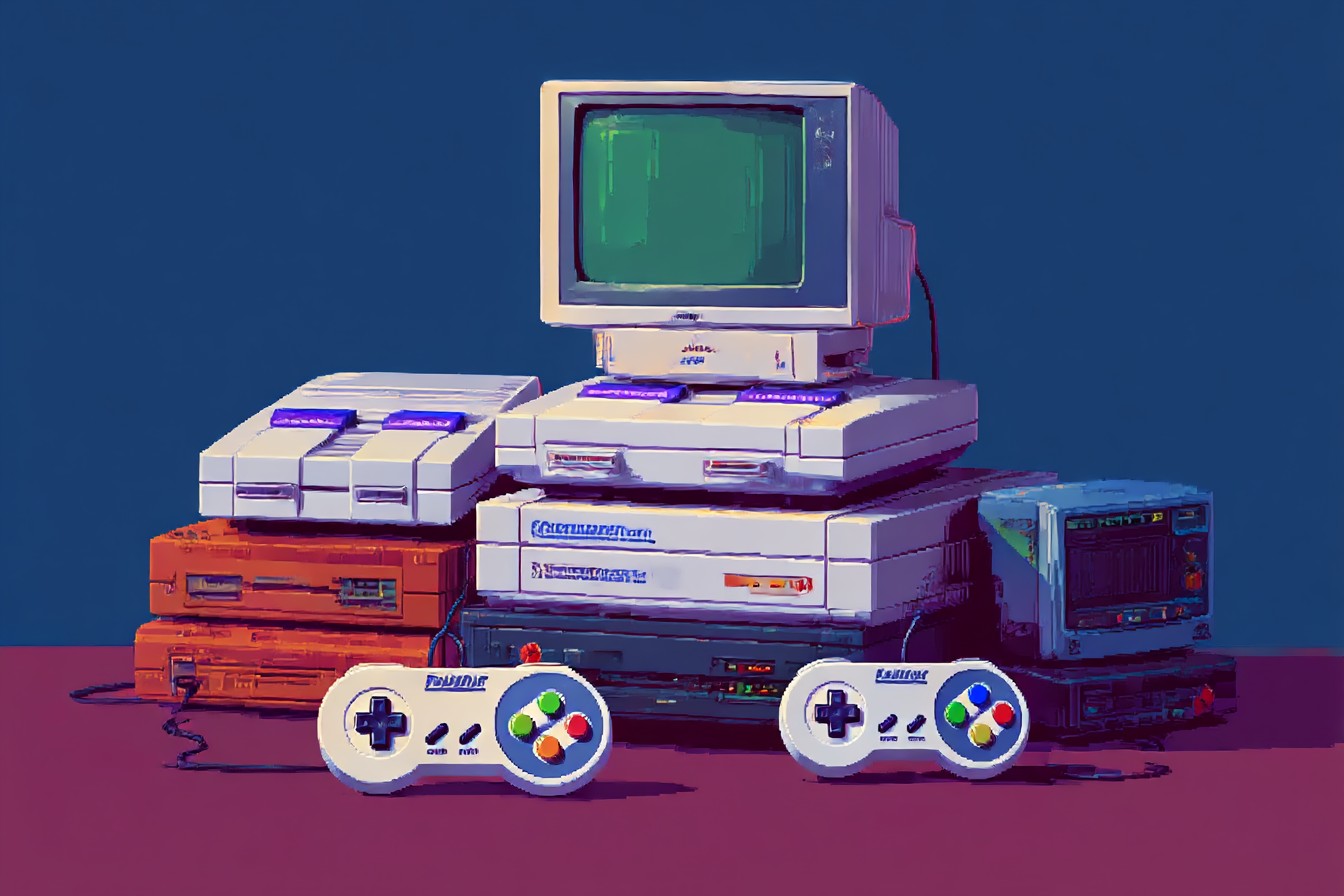
The Mega Drive – or Genesis if you're reading this from across the pond – launched with Sonic the Hedgehog, and suddenly speed became currency. Where Mario was careful and methodical, Sonic was all attitude and momentum. The music hit different too. That Yamaha sound chip gave everything a metallic edge that made my SNES sound almost… polite by comparison. Streets of Rage had bass lines that could rattle windows. Sonic's soundtrack was pure adrenaline converted to audio.
But Nintendo wasn't having any of it. They fired back with the Super Nintendo, and honestly, the first time I saw Super Mario World running in a shop window, I nearly pressed my nose flat against the glass. The colors were impossible – greens that looked like actual grass, blues that seemed to glow from inside the screen. Mode 7 graphics made F-Zero feel like driving a spaceship through liquid mercury, and don't get me started on how Super Metroid made silence feel terrifying.
The technical specs became playground currency. RAM amounts, processor speeds, color palettes – we memorized these numbers like football statistics, ready to deploy them in heated lunchtime debates. "The Mega Drive has blast processing!" "Yeah, well, the SNES has eight-channel sound!" Looking back, half of us probably couldn't define what these things actually meant, but we wielded them like weapons anyway.
Meanwhile, magazines fueled the fire. Mean Machines Sega versus Super Play. Each publication championed their preferred platform with the subtle objectivity of wartime propaganda. Screenshots were scrutinized like evidence in a court case. "Look how much darker the shadows are in the SNES version!" "But the Mega Drive version runs smoother!" We consumed every word, every comparison chart, every reader's letter that backed up our chosen side.
The really mental thing was how this competition pushed everyone to be better. Sonic's speed forced Nintendo to make Mario more athletic. Nintendo's storytelling in games like The Legend of Zelda made Sega realize they needed epics too, leading to Phantasy Star IV and Shining Force. Each console exclusive felt like a targeted missile designed to make the other side jealous.
Street Fighter II became the ultimate battleground. When it landed exclusively on SNES, every Mega Drive owner I knew suddenly had a friend with a Nintendo who they'd visit "just to hang out, not for any specific reason." Then Sega got their revenge with Streets of Rage 2, and suddenly we were comparing beat-em-ups like they were fine wines. The violence in Mortal Kombat split along console lines too – Nintendo's bloodless version versus Sega's gloriously gory A-B-A-C-A-B-B code that felt like secret adult knowledge.
Handhelds were a different theater entirely. Nintendo's Game Boy looked like a calculator that had eaten a screen, but it had Tetris, and that was basically checkmate. Sega's Game Gear was technically superior in every measurable way – color screen, better sound, more power – but it devoured batteries like a hungry teenager raids a fridge. I loved that thing anyway, partly because it felt like supporting the underdog, partly because Sonic looked absolutely gorgeous in full color.
The PC crowd watched all this console drama with a mixture of amusement and superiority. While we argued about 16-bit processors, they had VGA graphics and soundcards that could make music that didn't sound like it was being played through a tin can. But they also had to deal with IRQ conflicts and boot disks, so we felt pretty smug about our plug-and-play simplicity.
Third-party developers became mercenaries, switching sides based on licensing deals and hardware capabilities. EA's relationship with Nintendo soured over licensing terms, so they threw their weight behind Sega. Suddenly sports games meant Sega. Konami stayed mostly loyal to Nintendo, giving us games like Super Castlevania IV that felt like love letters to the hardware.
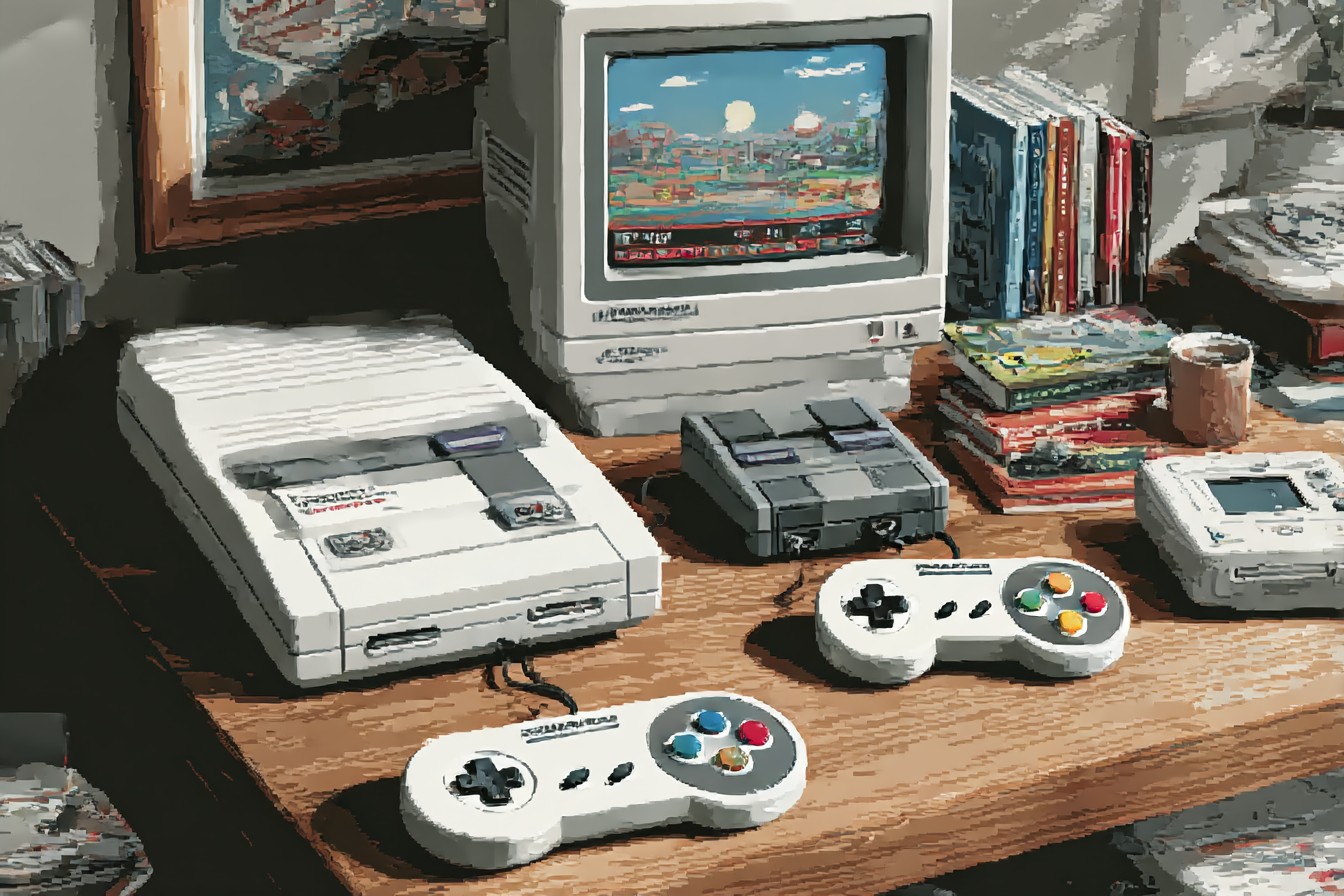
The war escalated beyond just games. It became about image, lifestyle, attitude. Sega positioned itself as the cool older brother to Nintendo's family-friendly approach. Their advertising was edgier, their mascot had more personality (some would say too much), and they weren't afraid to court controversy. When Nintendo censored Mortal Kombat's blood, Sega made it a selling point that theirs didn't.
Looking back now, with my collection of both systems sitting happily side by side under the telly, the whole thing seems beautifully absurd. We were passionate advocates for plastic boxes that played cartridges. But that passion drove innovation, creativity, and some of the best games ever made. Competition made both companies better. Without Sonic pushing Mario to be faster, would we have gotten the perfection of Super Mario World? Without Nintendo's storytelling ambitions, would Sega have created Phantasy Star's epic space opera?
The console wars of the '90s weren't just about market share or technical specifications. They were about identity, belonging, and the pure joy of being part of something bigger than yourself. Even if that something was just arguing about whether blast processing was real or complete marketing bollocks.
And honestly? I'm still not entirely sure what blast processing actually did.



