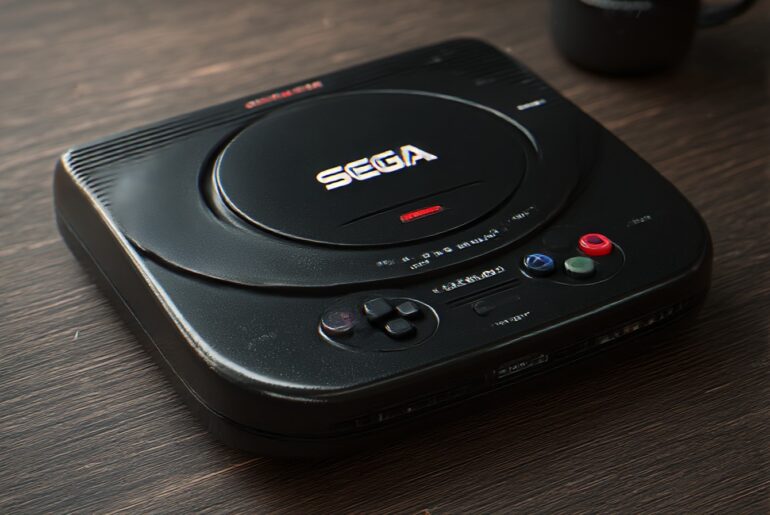
I was digging through my old PSP games last weekend—you know how it is, the drawer that became a time capsule—when I found my copy of the Sega Mega Drive Collection. That little UMD disc sitting there brought back a flood of memories about what felt like portable gaming perfection back in 2006.
See, I'd been carrying handhelds since the original Game Boy days, but there was always this compromise you had to make. Battery life versus screen quality. Original games versus watered-down ports. The PSP changed that equation completely, and the Mega Drive Collection was proof that someone at Sega actually understood what we'd been waiting for.
What struck me immediately when I first fired it up was how these weren't just lazy ROM dumps thrown onto a disc. Digital Eclipse—those absolute legends—had crafted something that felt respectful to the source material while adding exactly the kinds of features you'd want on a handheld. Save states, obviously. But also museum-style extras that made you appreciate these games in ways you never had on the original hardware.
The game selection was honestly brilliant. Forty-plus titles spanning Sega's 16-bit glory days, and not just the obvious crowd-pleasers either. Sure, you got your Sonic games, your Streets of Rage trilogy, your Golden Axe series. But they also included gems like Ristar—that absolutely gorgeous platformer that got buried when Sonic was hogging all the attention. Comix Zone made the cut too, which still feels like the most ambitious beat-em-up ever attempted. Even Flicky was there, and if you've never played Flicky, well, you haven't lived.
I remember being particularly chuffed about Vectorman showing up. That game was pure eye candy on the Mega Drive, all pre-rendered sprites and attitude, and seeing it running crisp on the PSP's screen felt like discovering a lost treasure. The YM2612 audio came through beautifully too—that metallic Sega sound that's been living rent-free in my head since 1991.
But here's what really sold me on this collection: the presentation. They didn't just dump you into a menu and call it a day. There were proper game descriptions, development notes, even some interview snippets. It felt like having a pocket-sized gaming museum. I spent ages reading about games I'd played dozens of times, learning little details I'd never known. Did you know Altered Beast was originally meant to be a completely different type of game? Neither did I until I spent a rainy afternoon with this collection.
The save state system was a godsend for commuter gaming. Streets of Rage 2 on the train to work? Absolutely doable when you can pause mid-combo and pick up exactly where you left off three hours later. No more scribbling down level passwords on napkins or hoping your memory card wouldn't corrupt overnight.
What impressed me most was how well these games scaled to portable play. Sonic's speed felt just as exhilarating on a five-inch screen as it did on my family's old telly. The scrolling was smooth, the colors popped, and crucially—the controls were spot-on. The PSP's d-pad and face buttons mapped perfectly to the Mega Drive's six-button layout. No compromises, no awkward button combinations to remember.
I'll admit, I was initially skeptical about playing Phantasy Star II on such a small screen. JRPGs and handhelds don't always play nice together—too much text, too many menus. But the PSP's screen resolution handled it beautifully. Every bit of that gorgeous pixel art came through crystal clear, and having save states meant I could actually tackle those notoriously long dungeons in bite-sized chunks.
The emulation quality deserves special mention here. These weren't just quick-and-dirty ports running on basic emulators. The sound was faithful, the timing was accurate, and I never encountered any of those annoying glitches that plague hastily-assembled retro collections. Someone clearly spent time getting these right.
One thing that still makes me smile is how this collection introduced a whole new generation to Sega's classics. I lent my PSP to a mate's teenage nephew once, and he came back absolutely obsessed with Shining Force. Here was a kid who'd grown up on PlayStation 2 and Xbox, discovering tactical RPG brilliance from 1992 and loving every minute of it. That's the real magic of collections like this—they're time machines that still work.

The extras were genuinely interesting too, not just throwaway bonus content. Concept art, music galleries, and those little development tidbits that make you appreciate the craft behind these games. I spent more time than I care to admit listening to the soundtrack collections, remembering exactly where each tune fit into its respective game. That Sonic 2 Casino Night Zone theme still gives me chills.
Battery life was another pleasant surprise. While most PSP games would drain your battery faster than a Game Gear mainlining double-AAs, the Mega Drive Collection was surprisingly efficient. I could easily get four hours of solid gaming, which was more than enough for any reasonable commute or lunch break session.
Looking back now, this collection represented something special in portable gaming history. It was one of the first times a major publisher had taken retro gaming seriously on a handheld, treating classic games with the respect they deserved rather than just cashing in on nostalgia. The attention to detail, the quality of emulation, the thoughtful extras—it all added up to something that felt essential rather than optional.
My copy's still in perfect condition, tucked away with my other PSP essentials. Every so often, I'll dig it out for a quick blast of Ecco the Dolphin or a few rounds of Streets of Rage. These games haven't aged a day, and having them all in one place, playable anywhere, still feels like a minor miracle. That's portable gaming gold right there.