I was digging through my Switch game library the other week, looking for something to show my nephew who's visiting for half-term, when I landed on Super Mario 64 sitting there in the 3D All-Stars collection. Funny thing—I'd been putting off writing about this one because, honestly, how do you review a game that practically invented the language every 3D platformer still speaks?
But here's the thing about playing Mario 64 on Switch: it's weird in all the right ways. I mean, you've got this foundational piece of gaming history that once required you to blow into an N64 cartridge and pray to the RF gods, now sitting in a device smaller than the controller it originally shipped with. The irony isn't lost on me that I can play Mario 64 on the toilet now. Nintendo probably didn't envision that particular use case back in '96.
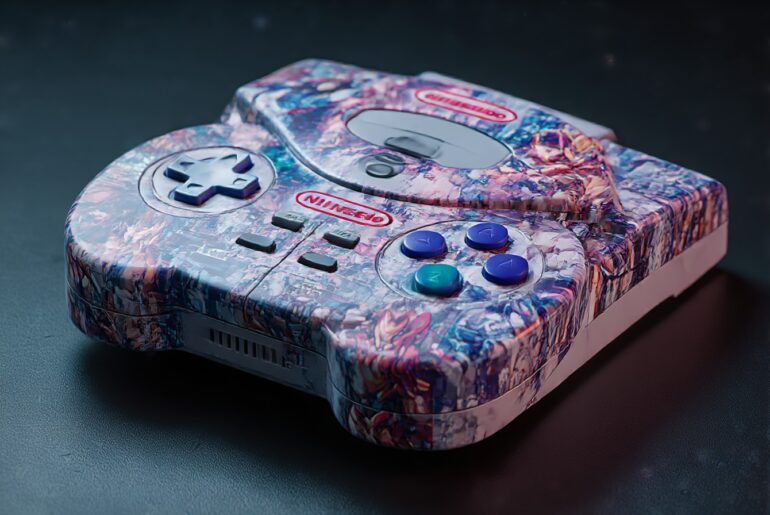
The first time I booted it up on Switch, muscle memory kicked in immediately. That camera swing around Peach's castle courtyard still hits like a warm hug from 1996. But something felt different—not wrong, just… portable different. See, back in the day, Mario 64 was this big, ceremonial thing. You'd settle into the sofa, grab that three-pronged alien spaceship of a controller, and commit to an afternoon in the Mushroom Kingdom. Now? I'm collecting stars during my lunch break at work, stealing five minutes between meetings to grab that tricky one in Tick Tock Clock.
The Switch's analog stick doesn't quite have the same buttery precision as the N64's stick did when it was fresh out the box. Course, most N64 sticks by now feel like stirring porridge anyway—I've replaced the guts in mine twice. But Nintendo's managed something clever here: they've mapped the controls in a way that feels natural on modern hardware without losing that essential Mario feel. The camera still fights you occasionally, just like it did in '96, which is either authentic preservation or stubborn refusal to modernize. I'm choosing to call it charm.
What really gets me is how the game's aged. I showed it to my nephew—he's seven, raised on Odyssey and 3D World—and watched his face trying to process why Mario couldn't just throw his hat at everything. But within minutes, he was giggling at the penguin slide, same as I did twenty-five years ago. There's something pure about Mario 64's design that transcends hardware generations. It's like showing someone a perfectly restored classic car—yeah, the modern stuff has better specs, but this thing has soul.
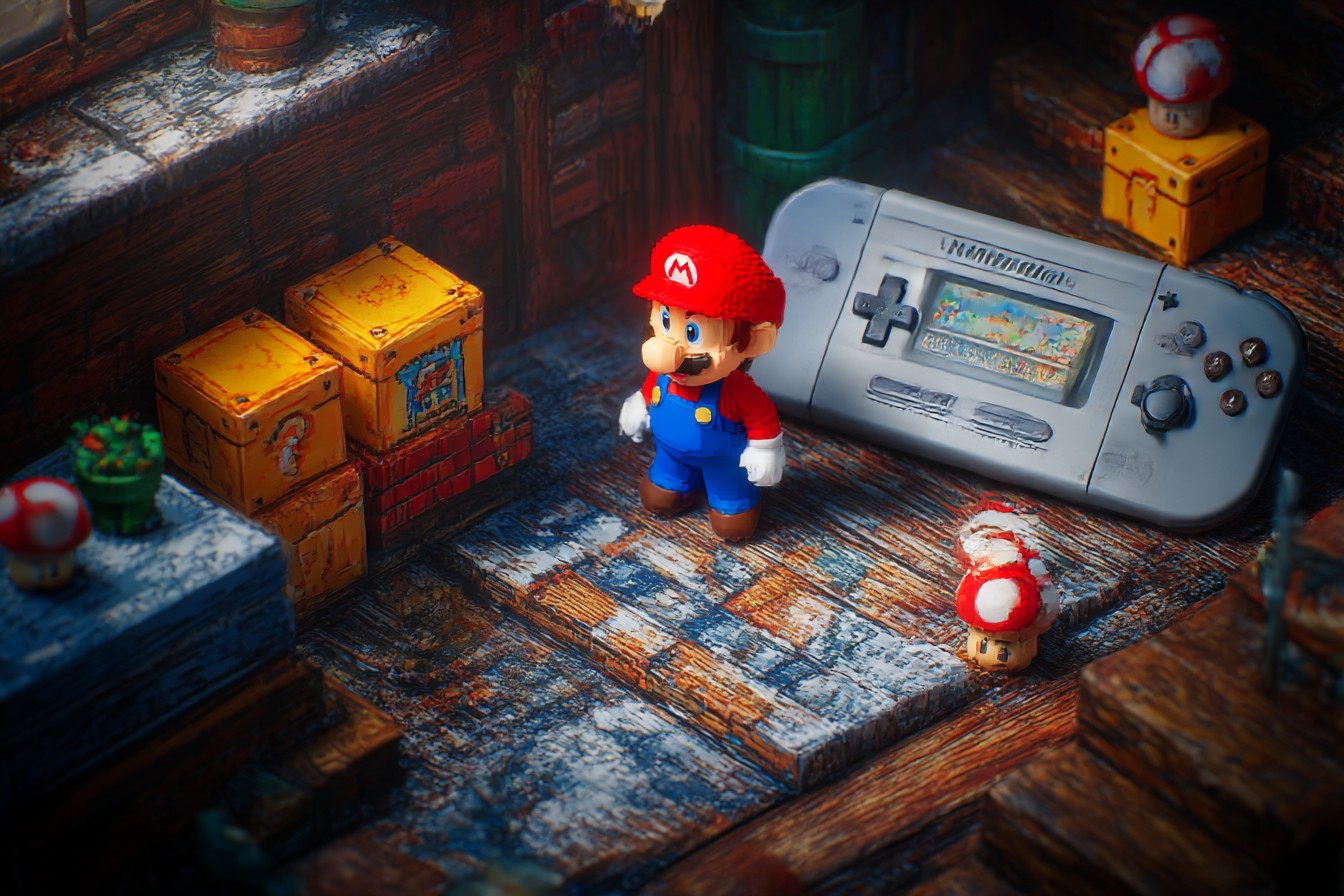
Playing it handheld reveals details I'd forgotten about or never noticed. The texture work that seemed cutting-edge on a fuzzy CRT actually holds up surprisingly well on the Switch's crisp LCD. Bob-omb Battlefield's grass patterns, the way light catches the water in Dire Dire Docks—it's all still there, just sharper now. Though I'll admit, some of the character models look a bit more… angular than I remembered. Rose-tinted glasses and all that.
The 3D All-Stars collection itself is a bit of a mixed bag, isn't it? You get three absolute classics for the price of one modern game, which seems reasonable until you realize they're basically straight ports with minimal extras. No behind-the-scenes content, no developer commentary, nothing like what you'd expect from a proper anniversary collection. It's Nintendo doing that thing where they give you exactly what they say they're giving you and nothing more. Frustrating if you wanted bells and whistles, but I suppose the games speak for themselves.
Galaxy and Sunshine are great to have portable too, but Mario 64 feels the most transformed by the Switch treatment. Maybe it's because the original was so tied to its specific controller setup, or maybe it's just that playing it anywhere feels like carrying a piece of gaming history in your pocket. I've found myself showing it off to people who remember the N64 days—"Look, it's the whole thing, right here"—like I'm performing magic tricks.
The sound design still absolutely slaps. That bouncy castle theme, the way Mario's voice echoes in the painting rooms, the satisfying "boing" when you grab a star—it all translates perfectly through the Switch's speakers or headphones. Charles Martinet's Mario voice work here established the template for decades of "wahoos" and "let's-a-gos," and hearing it on modern hardware just reinforces how timeless good voice acting is.
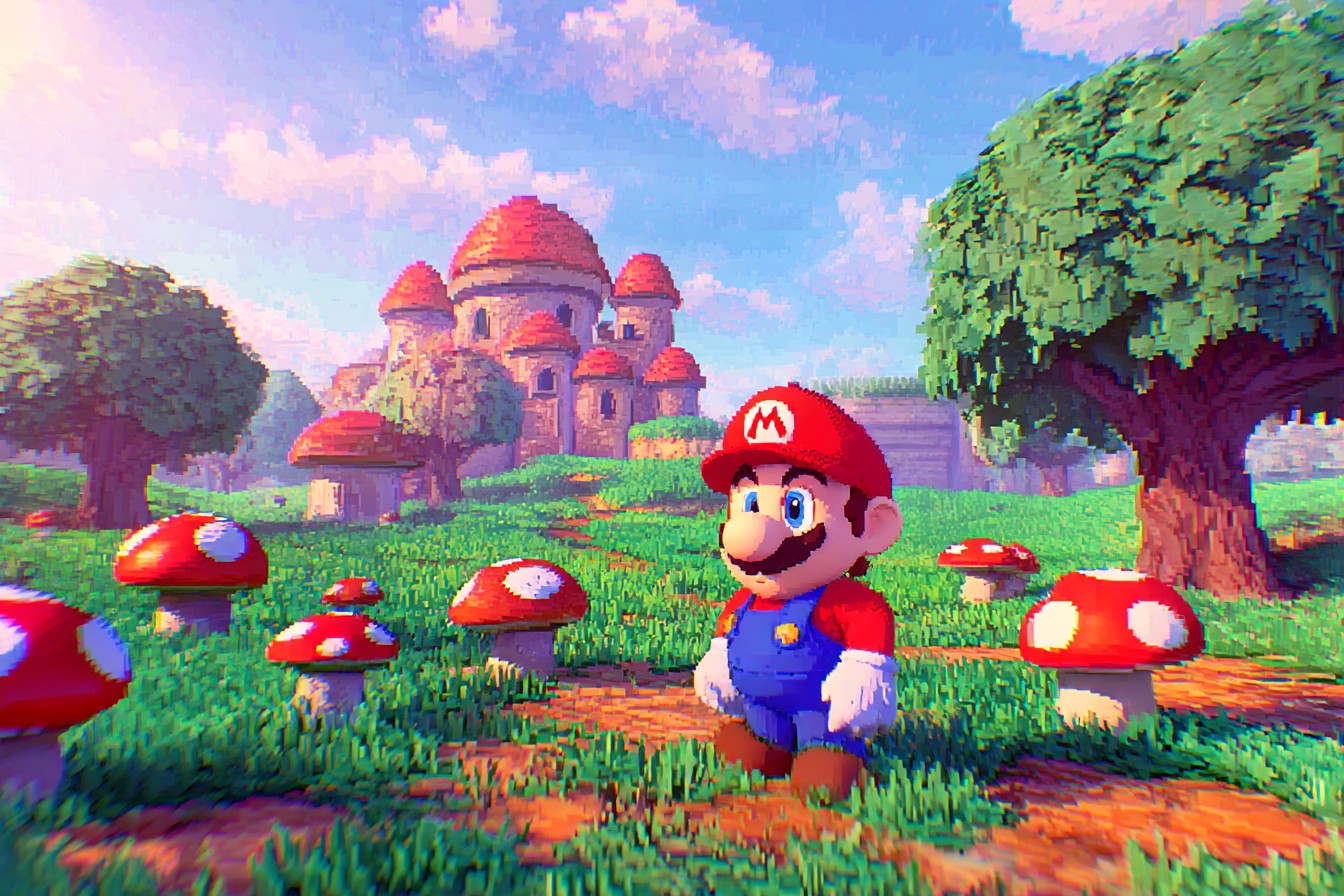
I've been playing through it again, properly this time, going for stars I never bothered with as a kid. Turns out I was rubbish at the camera back then too—some of these stars require camera angles that would make a film student weep. But that's part of the charm, isn't it? You're not just playing a game; you're wrestling with the very concept of 3D space in a way that modern games have made so smooth you forget it was ever difficult.
The portability factor can't be overstated. I've knocked out Bowser fights on the train, collected coins during TV ad breaks, and yes, grabbed the occasional star during those… quieter bathroom moments. It's liberation from the living room in a way that handheld Mario games never quite managed because they weren't trying to be console Mario. This is the real deal, shrunk down but not dumbed down.
Would I recommend it? Absolutely. Even if you've played Mario 64 to death on original hardware, there's something magical about having it available anywhere. And if you've somehow never experienced it—well, you're in for something special. Just remember: the camera was always wonky, Mario's jump physics were always floaty, and yes, getting 120 stars was always this addictive. Some things never change, and thank goodness for that.
The stars are still worth collecting, even twenty-nine years later.