The summer of 1994, I was standing in Electronics Boutique with twenty-five quid burning a hole in my tracksuit pocket—money earned from a weekend washing my uncle's Ford Sierra until the metallic blue paint practically glowed. The sales assistant, a lad with curtains who probably knew more about Mega Drive hardware than most engineers, was holding up this peculiar cartridge that looked like it had been designed by someone who'd never seen a game before.
"It's not just Sonic 3," he said, waggling the chunky grey thing at me. "Watch this." He grabbed a copy of Sonic 2 from the shelf and clicked it onto the top of this new cartridge like they were Lego bricks. The whole assembly now looked absolutely mental—this towering monument to plastic engineering that barely fit in the console slot. But when he fired it up? Knuckles appeared in Sonic 2. Just like that. Magic.
I'd seen lock-on technology before, sort of. The Game Genie clamped onto carts like a mechanical parasite, and we all knew about those dodgy multi-carts from the car boot sales that looked like they'd been assembled in someone's shed. But this was different. This was Sega doing something properly mad and making it work brilliantly.
Sonic & Knuckles wasn't just another platformer—it was a statement. Here was a company that looked at their own cartridge format and thought, "You know what? Let's make these things modular." The engineering alone must have been a nightmare. Getting two different ROMs to talk to each other, handling save data, making sure the whole contraption didn't crash when little Jimmy rammed the thing together with the force of a small earthquake.
The lock-on tech opened up possibilities nobody had really considered. Suddenly, your existing Sonic games weren't just old news gathering dust—they were ingredients in a larger recipe. Sonic 2 & Knuckles gave you the red echidna's gliding and wall-climbing abilities in familiar levels that suddenly felt completely different. Those loop-de-loops in Chemical Plant Zone? Child's play when you could just glide over them. Oil Ocean's underwater sections became exploration playgrounds instead of breath-holding anxiety festivals.
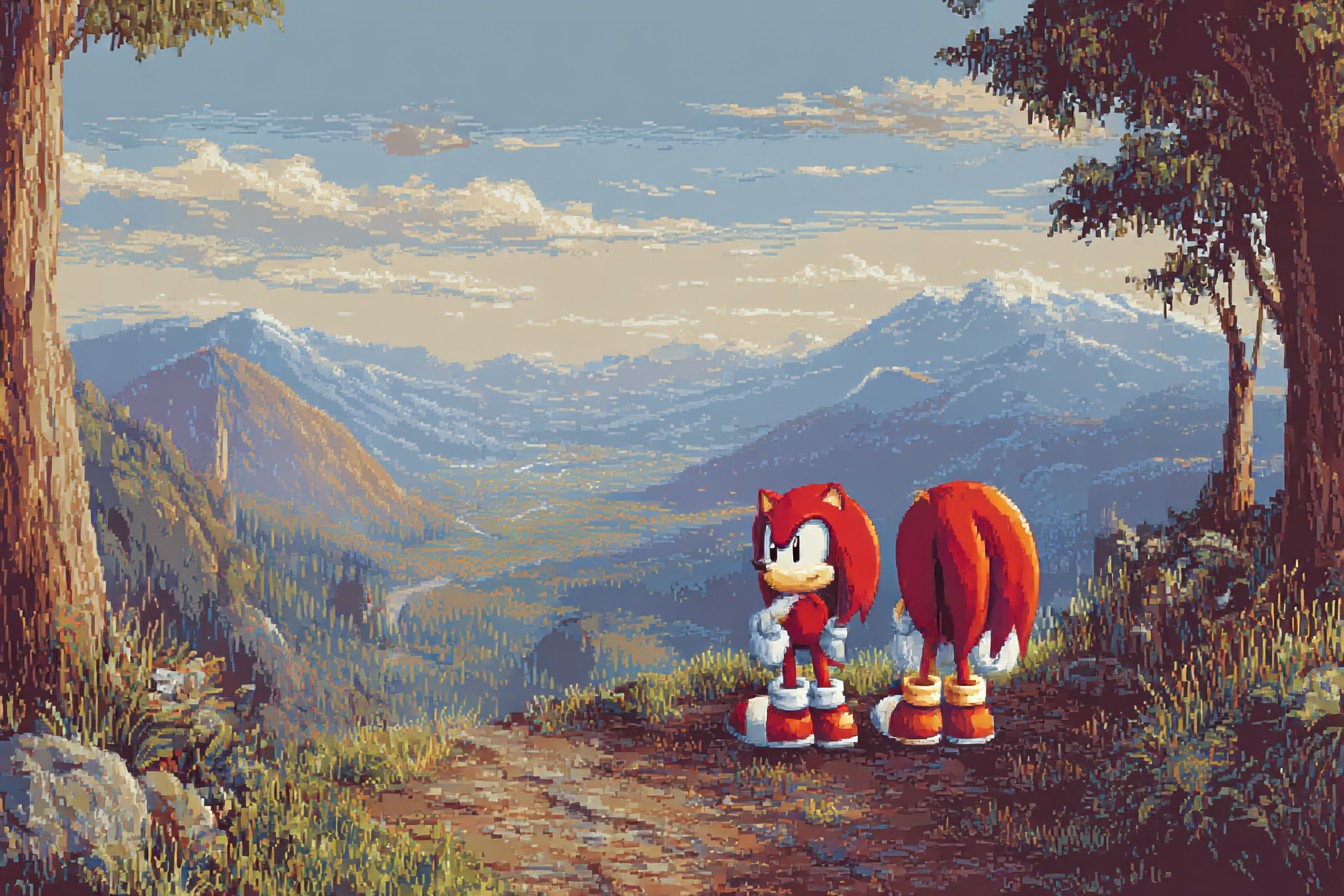
But the real prize was Sonic 3 & Knuckles—the game as it was originally intended before Sega's marketing department decided they needed something for the holiday season. When you locked Sonic 3 onto the S&K cartridge, you got this sprawling, epic adventure that felt like the proper conclusion to Sonic's 16-bit story. The save system worked across both halves, level transitions were seamless, and the whole thing just felt… complete.
I remember spending an entire Saturday working through the combined experience, starting at breakfast and finishing well past EastEnders. Mum kept popping her head round the door asking if I was "still playing that hedgehog thing," while I navigated through zones that flowed into each other with this brilliant momentum. Angel Island's burning forest leading into Hydrocity's rushing waterways, then the mechanical madness of Marble Garden—it was like watching a Saturday morning cartoon that never ended.
The technical wizardry went beyond just sticking cartridges together. Sega had programmed different responses depending on what you plugged in. Lock Sonic 1 onto S&K and you got blue sphere bonus stages—a completely different game that turned Sonic into a abstract puzzle-solving exercise. Lock in random carts and you'd often get the same blue sphere stages, like the system was saying, "Well, I don't know what this is, but here's something fun anyway."
Knuckles himself was a revelation. After years of Sonic's momentum-based gameplay, here was a character who could take his time, explore vertical spaces, and break through walls that had previously been immovable barriers. His glide felt weightless and smooth, and watching him scrabble up a wall with those spiked knuckles never got old. He turned familiar levels into treasure hunts—suddenly you were looking at Sonic stages with completely different eyes, wondering what secrets might be hidden behind that suspicious-looking wall.
The audio design deserves proper credit too. That Yamaha sound chip in the Mega Drive had this distinctive metallic twang that made everything sound slightly dangerous, and S&K pushed it hard. The title screen music alone—that dramatic orchestral sweep that builds to Knuckles' little chuckle—set expectations sky-high. When you heard those opening notes, you knew you were in for something special.
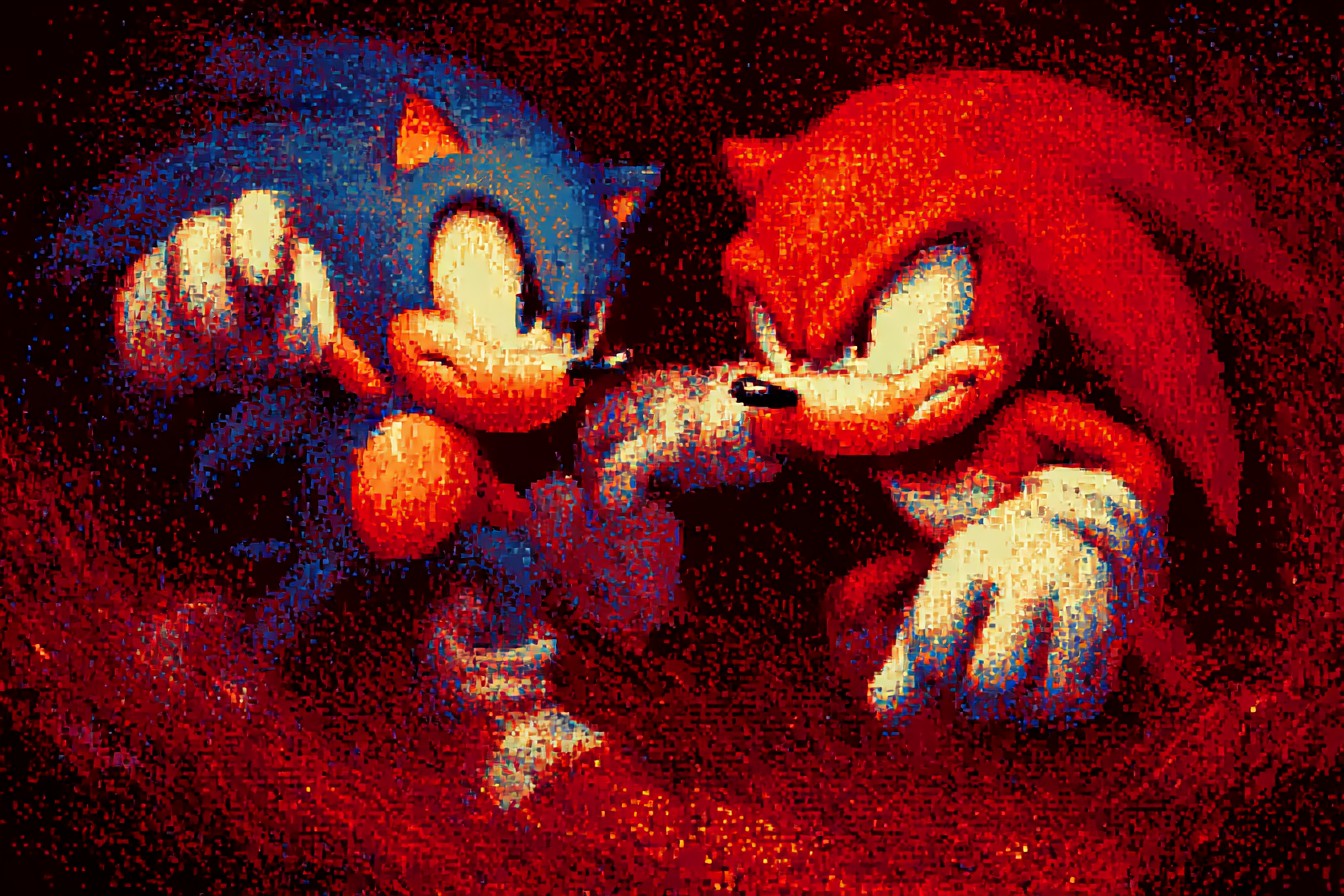
Looking back, the lock-on technology was probably Sega at their most brilliantly mental. They'd built this modular system that should have been the future of gaming, but it was also completely impractical for mass production. Every cartridge needed that lock-on port machined into the top, every game that supported it needed extra programming, and the whole thing relied on customers understanding what was frankly a pretty weird concept. "You buy this game, then you stick your other games on top of it, and sometimes new things happen."
It was typical Sega, really. Technically impressive, slightly mad, and about five years ahead of what the market was ready for. While Nintendo was perfecting their safe, reliable cartridge format, Sega was building these plastic transformer toys that happened to contain video games. The lock-on tech should have been expanded, should have become a standard—imagine if every Mega Drive game could potentially unlock new content in every other game. But it remained this beautiful one-off experiment, like so many of Sega's best ideas.
These days, when every game gets downloadable content and season passes, that original lock-on cartridge feels almost quaint. But there's something magical about the physicality of it—the satisfying click as the cartridges connect, the slight wobble as you carefully insert the whole assembly into your console, the moment of anticipation as you power on and wonder if this mad contraption will actually work.
I still have my original S&K cartridge somewhere in the loft, probably nestled next to my old copies of Sonic 2 and 3. Every time I think about digging them out, I remember that feeling of discovery—not just unlocking new levels, but unlocking new ways to think about what a video game could be. Sometimes the best innovations are the ones that seem completely bonkers until you try them.



