The carpet in our front room had this particular pattern—brown swirls that looked like coffee stains someone had turned into art. I mention this because that's what I was staring at, cross-legged on the floor, when my dad walked in with a carrier bag from Dixons that would change everything. Christmas 1991, I think. Maybe early '92. The exact date doesn't matter as much as what happened next.
"Got you something," he said, which in dad-speak usually meant a packet of Polo mints or maybe a Comic Relief nose if you were lucky. But this bag had weight to it. Serious weight. The kind that makes the plastic handles go white and dig into your fingers.
Out came this sleek black box that looked like it belonged on the bridge of the Enterprise. The Sega Mega Drive. Not the Genesis—we're talking proper UK kit here, complete with that chunky power brick that could've doubled as a doorstop and the RF switch that would become my nemesis for the next six months.
I'd been lobbying hard for this moment. The playground politics at school had split into two camps: Nintendo kids and Sega kids, with the sort of tribal loyalty usually reserved for football teams or breakfast cereals. I'd chosen my side based purely on seeing Sonic the Hedgehog tear across a mate's telly at breakneck speed, collecting rings like some sort of blue hoovering machine.
The unboxing ritual was sacred. Cardboard tabs lifted with surgical precision (you never knew when you might need that box again), polystyrene foam peeled away like archaeological layers, and there it was—sleek, confident, ready to blast process its way into my life. That phrase, "blast processing," had been burned into my brain by Sega's marketing department. I didn't have a clue what it meant, but it sounded fast and important and definitely something Nintendo didn't have.
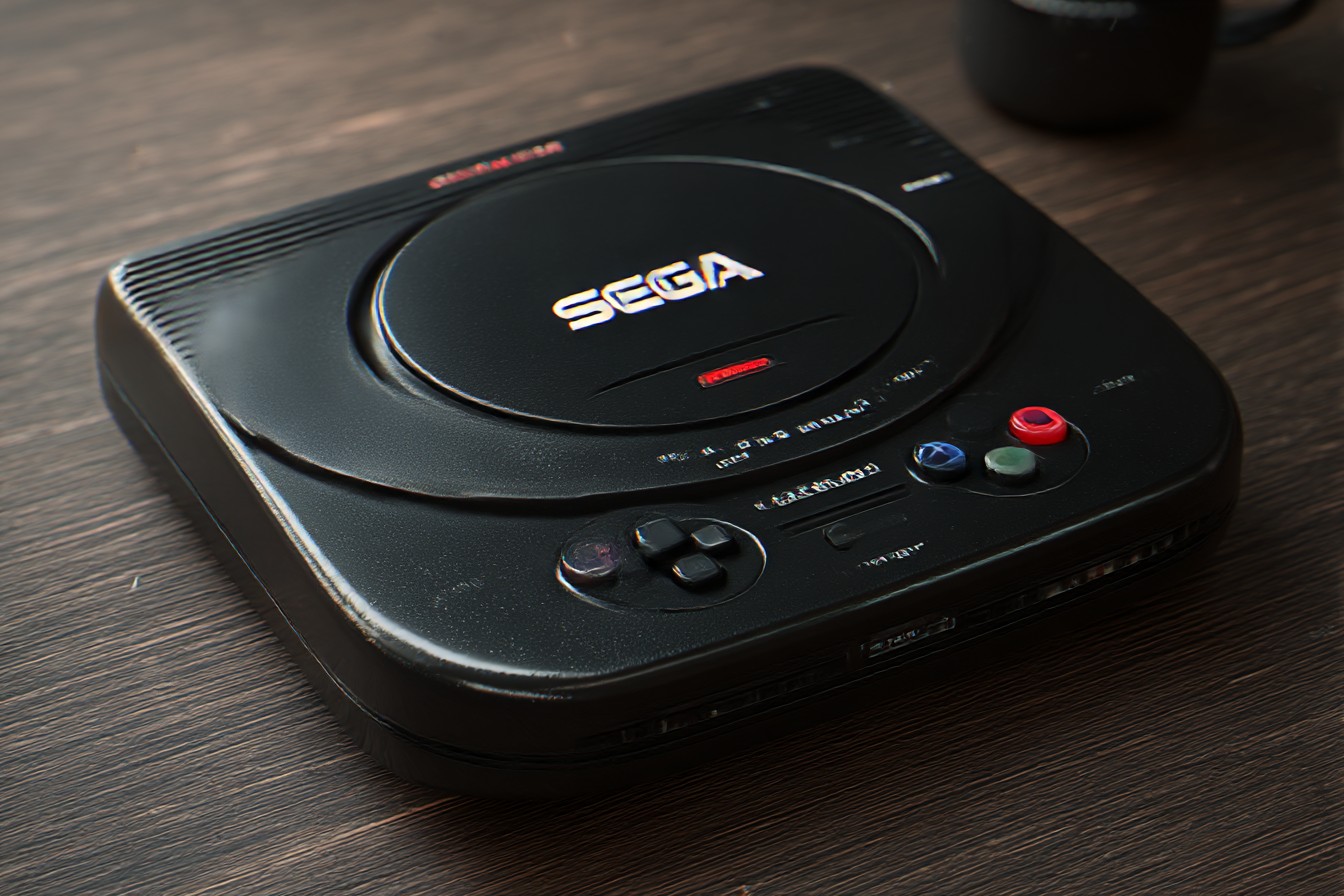
Getting it connected was the first boss battle. Our ancient Ferguson telly had about as many inputs as a potato, so everything had to route through the aerial socket via that RF modulator box—a device that seemed designed by someone who'd never actually tried to use one. Channel 36 became my new religion. You'd flip the little switch, pray to whatever gods governed analog signals, and slowly tune until the static cleared and that beautiful Sega logo appeared with its satisfying "Se-ga" vocal flourish.
Sonic came bundled, naturally. That first time you hit the start button and watch Sonic tap his foot impatiently if you don't move him—pure personality in pixels. I'd played platform games before, sure, but nothing with this sort of momentum. Mario felt like walking; Sonic felt like being fired from a cannon. Green Hill Zone wasn't just a level, it was a statement of intent. Those checkered dirt cliffs, the palm trees swaying in parallax scrolling, the loop-the-loops that defied physics in the most delightful way possible.
But here's the thing about that first Sega experience—it wasn't just the speed or the attitude or even the way Yuji Naka had programmed momentum to feel like liquid silk. It was how different everything felt. The controller had three buttons instead of two, which doesn't sound revolutionary until you realize how much that extra button opens up. The sound chip—that Yamaha FM synthesis beast—made everything sound metallic and punchy and somehow more urgent than Nintendo's softer, more rounded audio.
Streets of Rage arrived a few months later, traded for two weeks' worth of lunch money and a Doctor Who novelization I'd read about fifty times. That game taught me that the Mega Drive could do things that made the SNES look positively genteel. The opening theme, with its thumping bassline and wailing synth leads, sounded like the sort of club my parents definitely wouldn't approve of. Which made it perfect, obviously.
The graphics debate raged constantly at school. SNES kids would bang on about Mode 7 and their fancy rotation effects. We Mega Drive loyalists would counter with raw processing power and the sort of attitude that comes from having a mascot who runs faster than sound. Looking back, we were both right and both missing the point. The SNES did colors and special effects with an almost artistic flair. The Mega Drive did sharp pixels and aggressive sound design like it was perpetually caffeinated.
I remember the exact moment I realized what "16-bit" actually meant. Not from any technical explanation, but from seeing how detailed Sonic's idle animation was, how his spines moved individually, how his eyes tracked your movement. This was character with capital C, personality expressed through sprite work and sound effects. When Sonic got hit and scattered rings everywhere with that distinctive chime, you felt it in your stomach.
The Game Gear entered my life about a year later—Sega's answer to Nintendo's monochrome Game Boy tyranny. Full color! Backlight! The ability to completely drain six AA batteries in what felt like seventeen minutes! I loved that machine despite its obvious flaws. Sonic on the go, even if "on the go" meant tethered to a wall socket most of the time or carrying a rucksack full of Duracells like some sort of portable electronics sherpa.
What really sealed the deal for me was Sega's willingness to be weird. Streets of Rage 2 had a kangaroo as a secret character. Earthworm Jim was gross and brilliant and made no sense whatsoever. ToeJam & Earl felt like an alien fever dream with a hip-hop soundtrack. Nintendo made polished, perfect experiences; Sega made fascinating, slightly unhinged experiments that sometimes crashed and burned spectacularly.
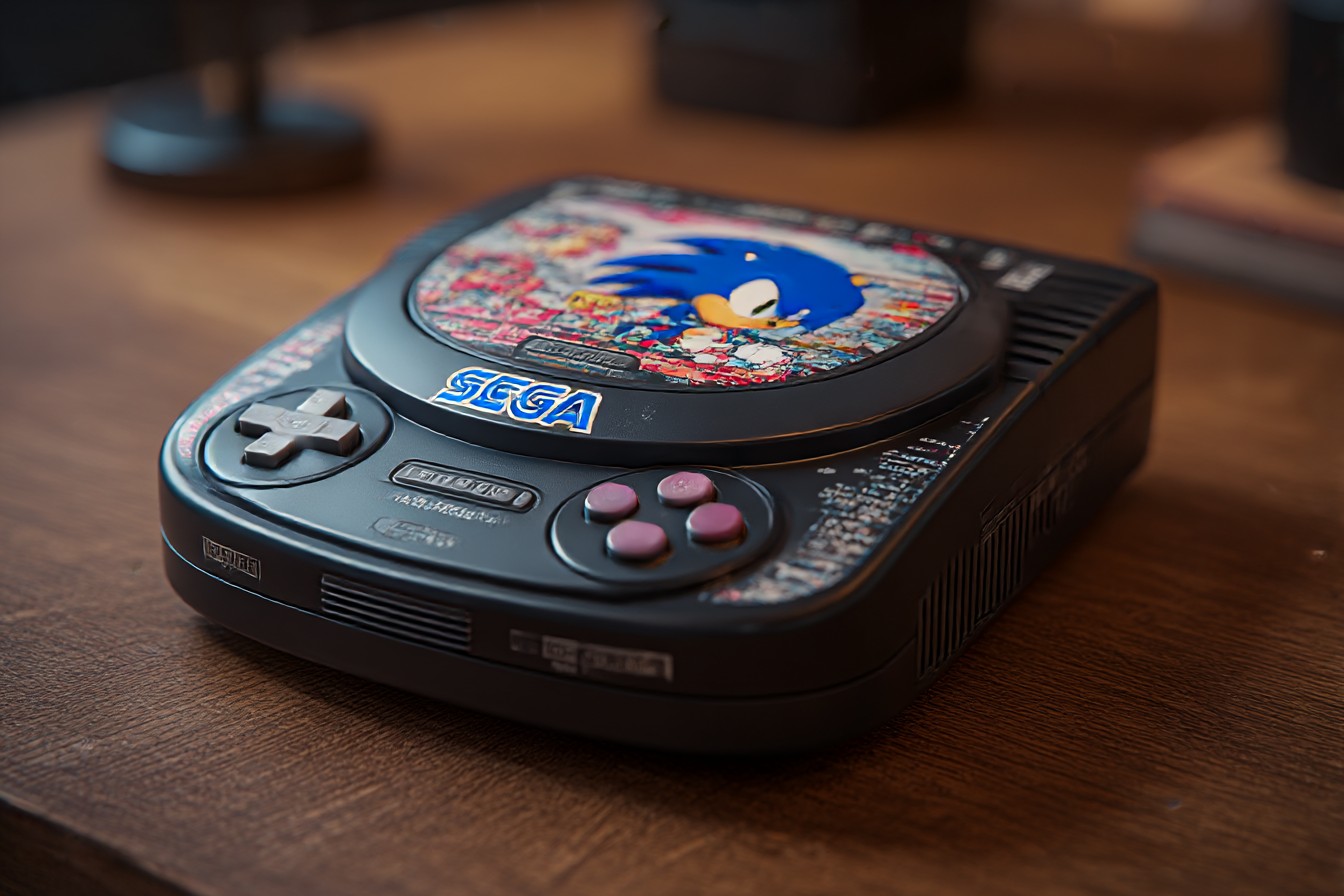
The rivalry with Nintendo kids wasn't just about which console was better—it was about identity. Choosing Sega meant choosing the underdog, the scrappy fighter, the company that would try anything once and probably twice if it was weird enough. We were the kids who preferred Coke over Pepsi, who thought Blur were better than Oasis, who ate our sandwiches crust-first just to be different.
That original Mega Drive lived through house moves, university years, and multiple generations of televisions. The power LED still glows that distinctive orange when you fire it up, though the RF modulator finally gave up the ghost sometime around 2003 and got replaced with a proper SCART cable that made everything look sharp enough to cut glass.
These days, I've got the whole collection: Master System, Mega Drive, Saturn, Dreamcast—each one representing a different chapter in Sega's beautifully chaotic hardware story. But that first black box, with its confident curves and blast processing swagger, remains special. It didn't just change my gaming—it changed how I thought about what games could be. Fast, loud, confident, and just a little bit rebellious.
Sometimes late at night, I'll fire up Sonic 2 just to hear that intro music and feel sixteen again, cross-legged on that swirly carpet, completely convinced that Sega was going to rule the world forever.



