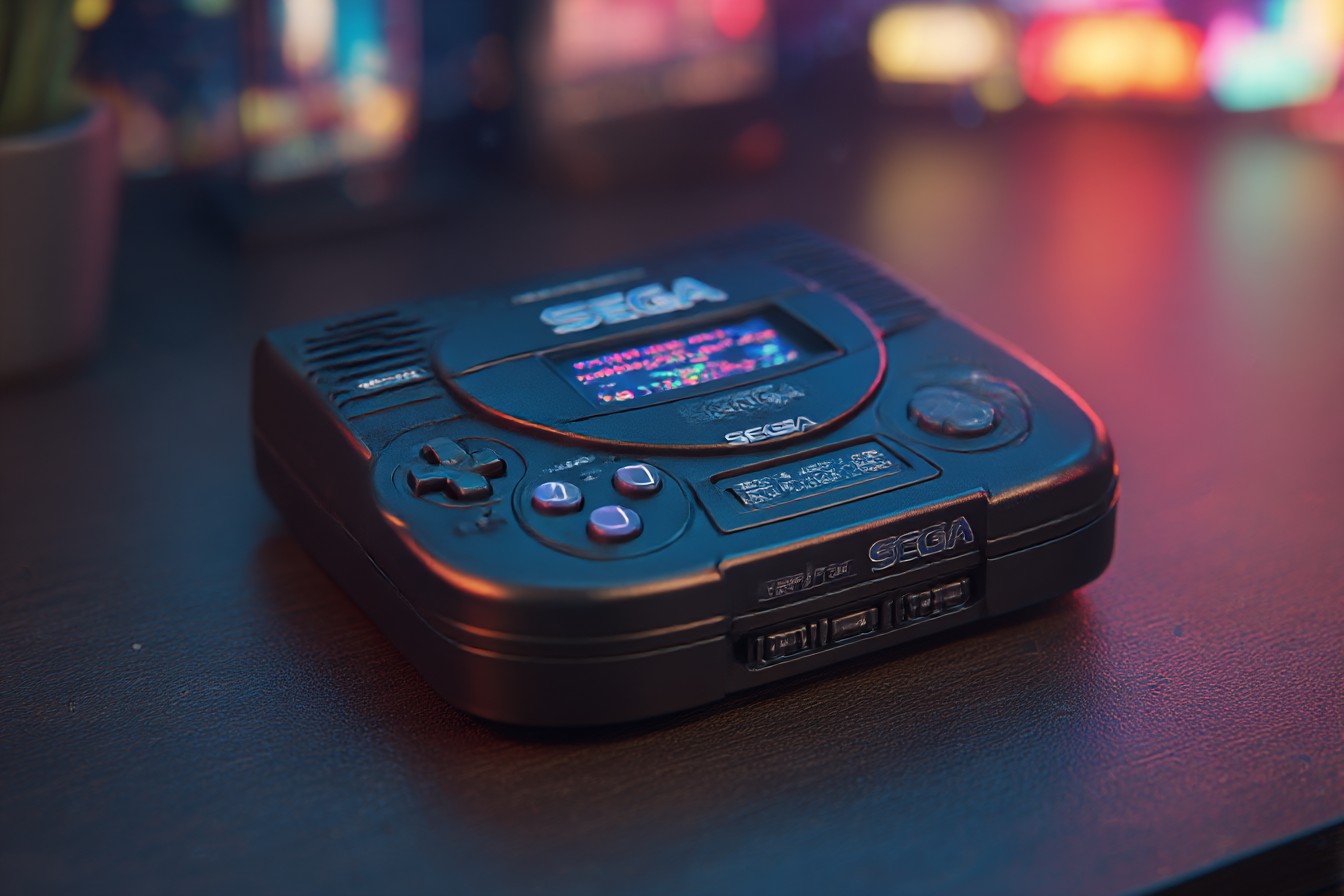
There's something almost mystical about hooking up a Mega Drive to an old CRT and watching those first pixels dance across the screen. You know that moment when Sonic's blue fur catches the light just right? That's not nostalgia talking—that's the actual technical wizardry of Sega's 16-bit color system doing its thing.
I've been tinkering with Genesis hardware for years now, and honestly, the more I dig into its guts, the more impressed I get. People always bang on about the SNES having superior graphics (and yeah, Mode 7 was flashy), but the Genesis had this raw, punchy visual style that came from some genuinely clever engineering decisions. The color palette might've been smaller on paper, but Sega squeezed every drop of performance out of those limitations.
Let's talk numbers for a sec because they matter. The Genesis could display 64 simultaneous colors from a master palette of 512. Compare that to the SNES's 256 colors from 32,768, and you'd think it's game over, right? Wrong. Here's where Sega got sneaky—they built a system that prioritized speed and sprite handling over raw color depth. The result? Games that moved like lightning and looked absolutely gorgeous doing it.
The VDP (Video Display Processor) was the real star of the show. This little chip handled all the graphics heavy lifting, and it was designed around getting sprites moving fast without flicker. Remember playing Streets of Rage 2 with three friends, all throwing punches while enemies swarmed from every direction? That silky smooth action wasn't accidental—it was the VDP keeping track of up to 80 sprites at once, with 20 visible per scanline. Try doing that on an 8-bit machine and watch it choke.
But here's where it gets interesting from a technical standpoint. The Genesis used what they called "shadow and highlight" modes to effectively stretch that 64-color limit. By manipulating the priority bits in the color RAM, developers could create darker or lighter versions of existing colors on the fly. Suddenly you had pseudo-transparency effects and more visual depth without actually using more colors. Clever stuff, really.
I remember first noticing this in Landstalker—those gorgeous waterfalls and cave systems that seemed to have way more visual complexity than they should. That was shadow mode doing its work, creating the illusion of depth and atmosphere within the hardware constraints. It's like the Genesis was constantly pulling visual rabbits out of technical hats.
The sprite system deserves special mention because it's where the Genesis really showed off. Each sprite could be up to 32×32 pixels and composed of multiple 8×8 tiles. The hardware could flip them horizontally or vertically without any processing overhead, which meant animated characters could face either direction without needing separate sprite sets eating up precious cartridge space. Small detail, huge impact on both storage and performance.
Color palette management was an art form back then. Developers had to be surgical about which colors to include in their 64-color palette. You'd see games where the main character's sprite would share certain colors with background elements to maximize variety. Sonic's blue might also be used for water effects, or the yellow from his sneakers would double as sunlight. It forced a kind of visual cohesion that modern games sometimes lack.
What really impressed me was how different developers approached these limitations. Konami's Contra: Hard Corps went for maximum color saturation—every sprite practically glowed off the screen. Meanwhile, something like Phantasy Star IV used more muted palettes to create this ethereal, painterly look that still holds up today. Same hardware, completely different visual philosophies.
The Genesis also had this unique relationship with dithering that I find fascinating. The limited color palette meant artists had to get creative with color mixing techniques. You'd see these intricate dithering patterns that, on a CRT, would blend together into smooth gradients. Fire effects in Streets of Rage looked properly hot because of clever red-orange-yellow dithering patterns that fooled your eye into seeing more colors than were actually there.
Playing these games on original hardware versus emulation really drives home how important the display technology was. Those scanlines and phosphor persistence effects were part of the visual design. Developers knew their games would be viewed on CRTs and planned accordingly. The dithering I mentioned? Looks awful on a modern LCD at native resolution. Absolutely gorgeous on a proper Trinitron.
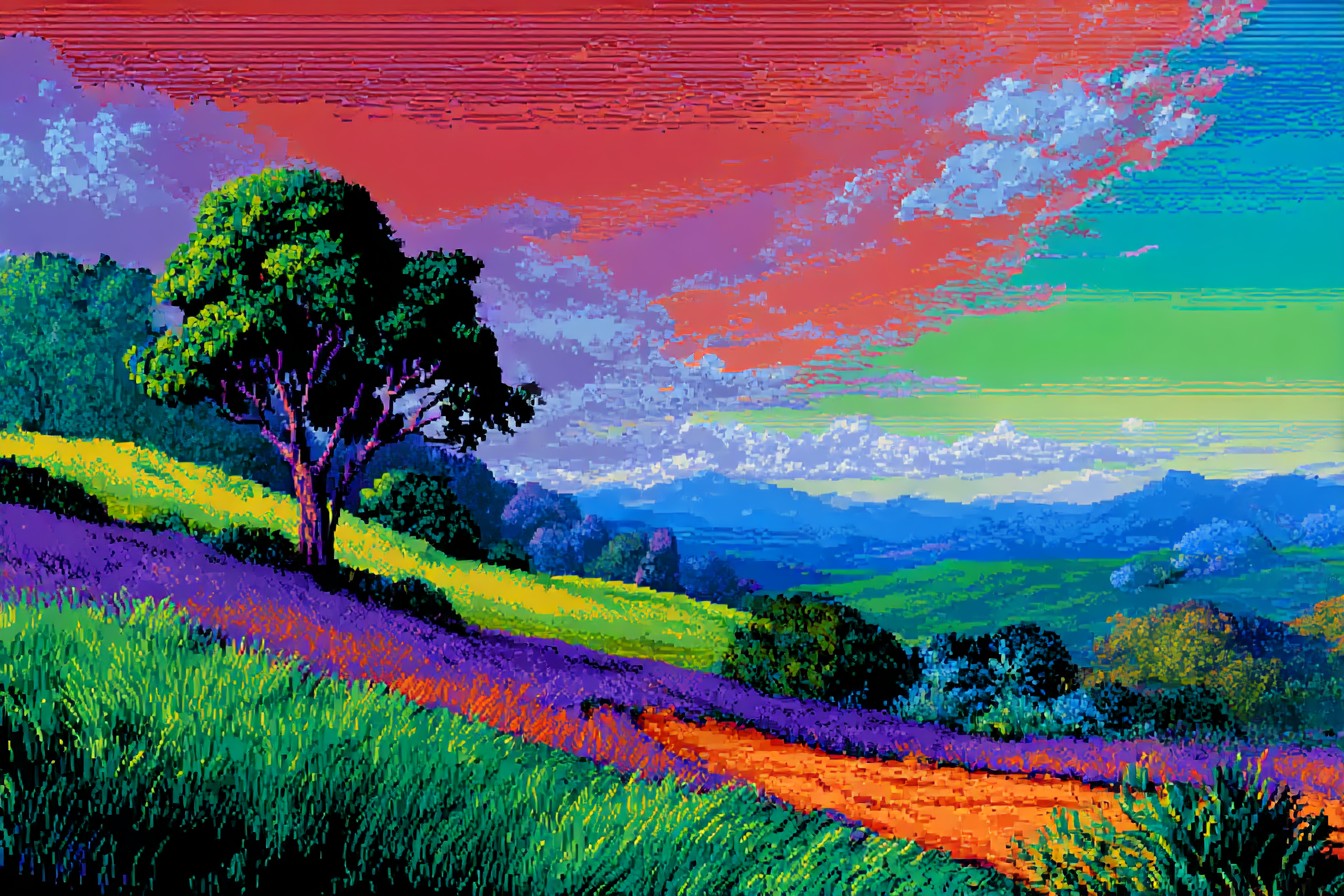
I've got a modded Genesis sitting next to my TV right now—RGB mod, 50/60Hz switch, the works. Sometimes I'll boot up Ristar just to watch those color cycles in the first level. The way the background shifts from deep purple to golden sunrise using maybe twelve actual colors… it's poetry in pixels.
The technical limitations also pushed sound design in interesting directions. Since visual spectacle was constrained, developers leaned hard into that legendary Yamaha YM2612 sound chip. The punchy bass and metallic highs became part of the Genesis's visual identity, if that makes sense. When you heard that distinctive FM synthesis, you knew you were looking at Sega graphics.
Modern homebrew developers still work within these exact same constraints, and some of the stuff they're producing is mind-blowing. Games like Tanglewood show what's possible when you really understand the hardware. They're achieving visual effects that seemed impossible back in the day, all while staying true to the original 64-color, 80-sprite limitations.
Looking back, the Genesis color system was like a perfectly tuned race car—not the most powerful engine, but every component optimized for performance. While Nintendo was showing off Mode 7 barrel rolls, Sega was delivering butter-smooth scrolling and sprite animation that just felt right. Both approaches worked, but man, there's something special about that Genesis visual punch that still gets me every time I fire up the old gray box.



