Standing in my mate Dave's bedroom in 1991, staring at his brand new Mega Drive, I knew something had shifted. The box sat there like a black monolith, all sleek edges and attitude. This wasn't the friendly, rounded Nintendo we'd grown up with—this thing looked like it meant business. When he fired up Sonic for the first time and that blue blur tore across the screen at what felt like impossible speed, I practically pressed my nose against his telly. "Blast processing," Dave said knowingly, parroting the ad copy. We had no idea what it meant, but it sounded important.
That moment kicked off what I'd later realize was Sega's most ambitious decade in gaming history. From 1989 to 2001, they threw everything at the wall—some of it stuck, some of it didn't, but by God, it was never boring.
The Genesis (or Mega Drive if you're proper) arrived like a punk rock band gate-crashing a folk festival. Nintendo had sewn up the family-friendly market with the NES, but Sega wanted the teenagers. They wanted attitude. The hardware itself felt different in your hands—that six-button controller had weight to it, and when you slammed it down after dying for the hundredth time in Contra: Hard Corps, it felt substantial enough to survive the abuse.
But it was the sound that really got me. That Yamaha FM chip didn't just play music, it growled. Streets of Rage 2's soundtrack still lives rent-free in my head—those basslines could rattle windows. When I finally convinced my parents to get me one for Christmas '92, the first thing I did was crank up Golden Axe just to hear those drums punch through our living room speakers. Mum was not impressed.
The games library became a badge of honor. While Nintendo kids were collecting mushrooms, we were collecting severed heads in Mortal Kombat. The blood code—A, B, A, C, A, B, B—was passed around school like contraband. When Sonic 2 landed with that split-screen two-player mode, suddenly every sleepover needed a Mega Drive. Miles "Tails" Prower might've had a daft name, but watching your mate control him while you blazed through Chemical Plant Zone felt revolutionary.
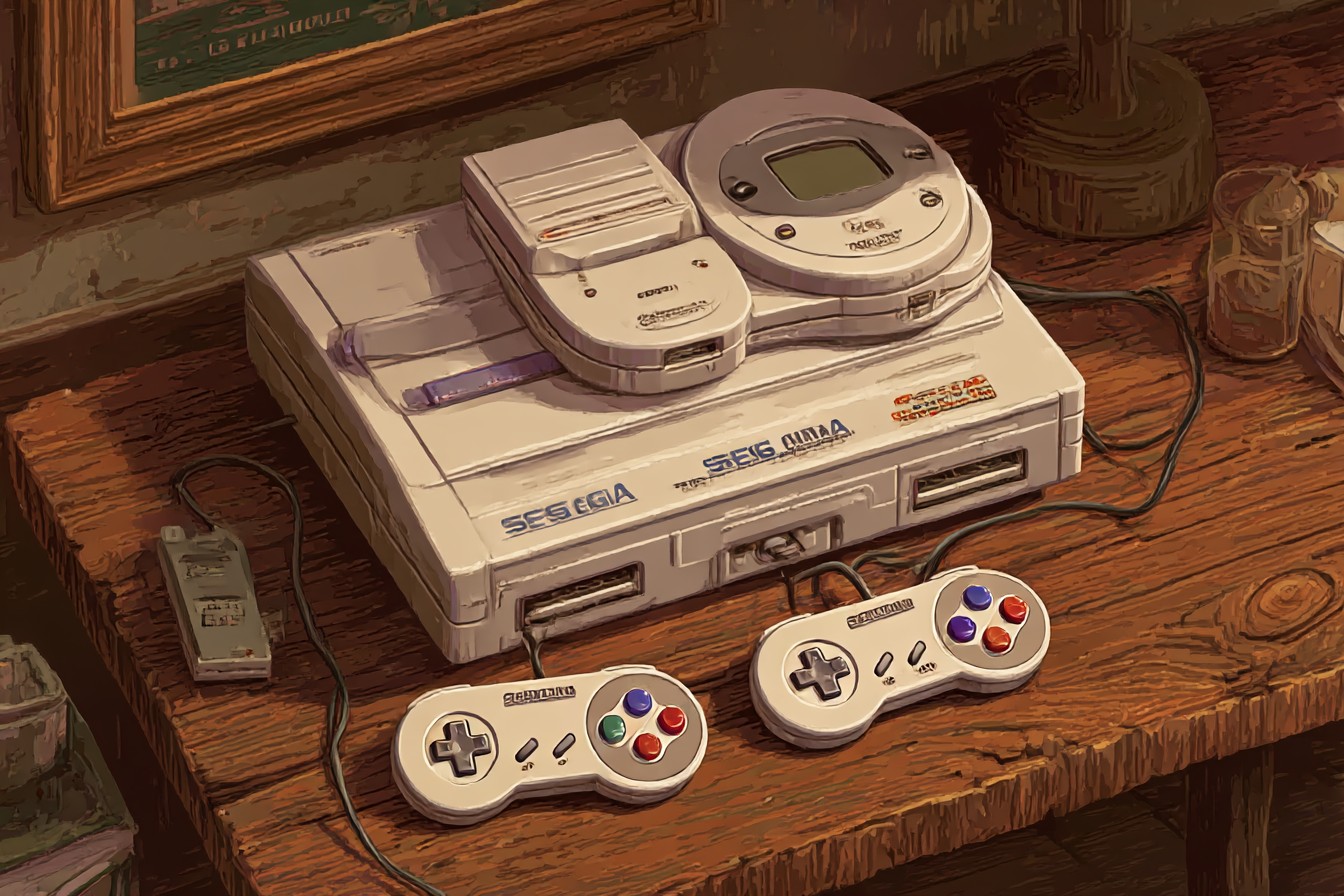
Then Sega made their first big mistake. The 32X. Christ, what were they thinking? Here's an add-on that makes your sleek Genesis look like it's wearing a badly fitting hat. I saved up for months to buy one, convinced that Virtua Fighter would justify the expense. It didn't. The thing overheated, the games were few and far between, and worse—Sega was already working on something else.
That something else was the Saturn. Released in 1995, it was Sega's answer to Sony's PlayStation and what they hoped would crush Nintendo's upcoming 64-bit machine. The Saturn was a monster for 2D graphics—absolute poetry in motion when you loaded up something like Panzer Dragoon. But 3D? That's where things got messy. The system had two processors that were supposed to work in harmony but mostly just confused developers. When Tomb Raider arrived and looked significantly worse than the PlayStation version, you could hear Saturn owners making excuses from space.
Still, if you knew where to look, the Saturn had gems. Guardian Heroes is still one of the best beat-'em-ups ever made. Sega Rally Championship made my living room feel like a dust-covered rally stage. And don't get me started on the import scene—getting those 4MB RAM carts to play King of Fighters '97 properly was like performing surgery on your savings account, but worth every penny.
The real tragedy of the Saturn was Panzer Dragoon Saga. Four discs of absolute brilliance that maybe twelve people played because Sega had already mentally moved on to their next big idea. If you've never experienced Edge's journey through a post-apocalyptic world riding a dragon, you've missed something special. It's like Final Fantasy VII if it had been designed by poets instead of marketers.
Which brings us to the Dreamcast. September 9, 1999. 9/9/99. Sega's marketing department finally did something clever with that launch date, and for a brief, shining moment, it felt like they might actually pull it off.
The Dreamcast was everything the Saturn should've been. Clean, powerful, online-ready before online was even a thing most people understood. That built-in modem seemed like science fiction—I could play Quake III against people on the other side of the planet from my bedroom. The graphics were genuinely impressive; Shenmue looked like the future, Soul Calibur made arcade-perfect seem like an understatement.
The VMU was pure Sega madness in the best way. A memory card with a screen? That could play its own little games? Genius. Utterly impractical and expensive, but genius. I remember playing the Chao Garden mini-games during boring classes, this tiny Tamagotchi-style creature living in what was essentially a very expensive memory stick.
Jet Set Radio deserved a bigger audience than it got. That cell-shaded art style was years ahead of its time, and the soundtrack—God, the soundtrack. Hideki Naganuma created something special there. Crazy Taxi with The Offspring blasting made you feel like you were living in a Mountain Dew commercial, and that wasn't necessarily a bad thing.
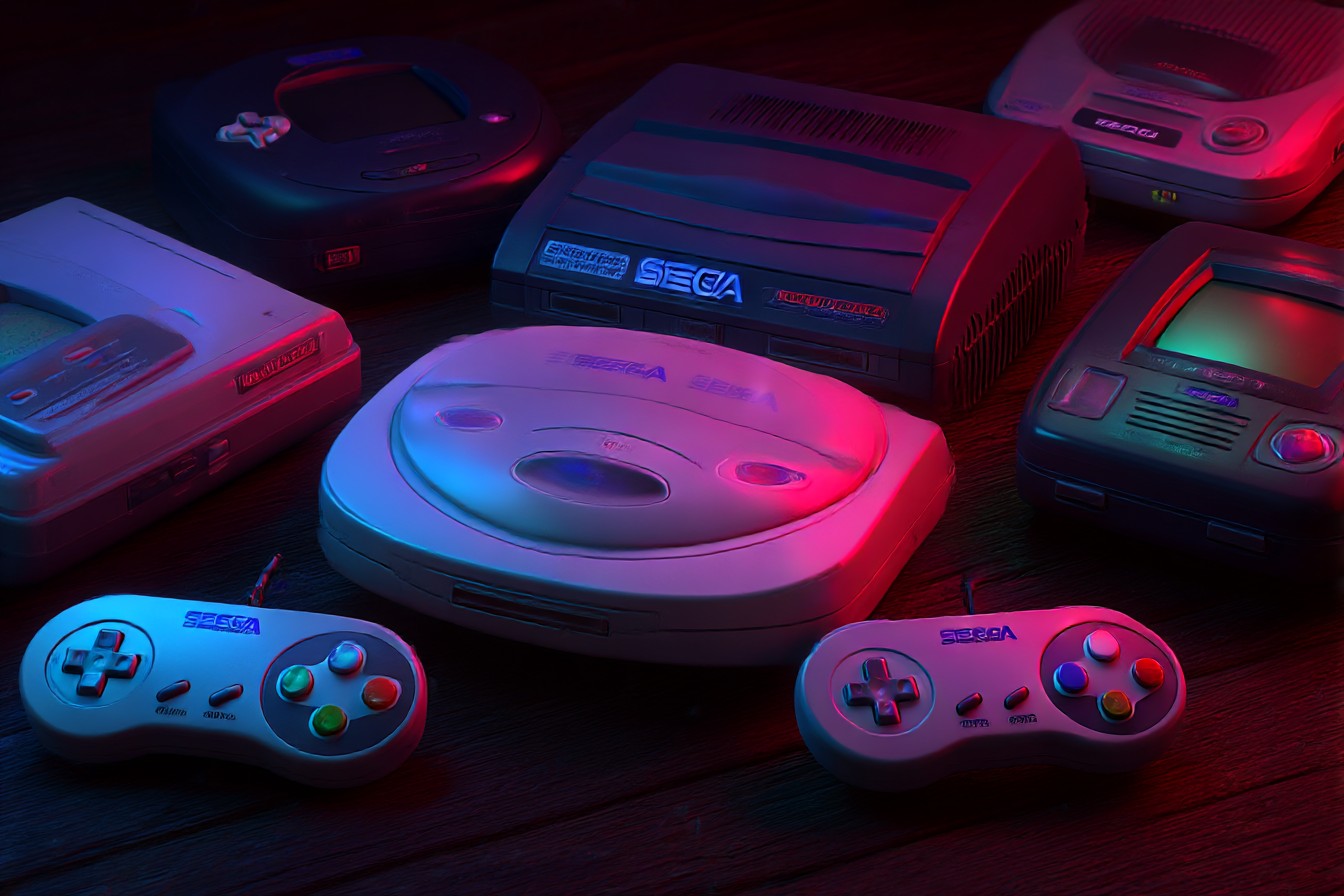
But timing is everything in this business, and Sega's was terrible. The PlayStation 2 launched in 2000 with DVD playback, backwards compatibility, and the promise of Grand Theft Auto: Vice City. The Dreamcast had personality, but personality doesn't pay the bills when EA won't make FIFA for your system.
By 2001, it was over. Sega announced they were getting out of the hardware game, and honestly? Part of me was relieved. The constant cycle of expensive add-ons and premature console launches had exhausted my loyalty. The Dreamcast deserved better, but Sega had burned through too much goodwill getting there.
Looking back now, tinkering with a refurbished Dreamcast that cost more to restore than it did originally, I appreciate what Sega tried to do. They never played it safe. The Genesis gave us attitude when we needed it. The Saturn pushed 2D graphics to their absolute limit. The Dreamcast showed us what online console gaming could become. They failed more often than they succeeded, but they failed while swinging for the fences.
That's something worth remembering in an era where every console generation feels increasingly similar. Sega might've been reckless with their hardware ambitions, but they were never, ever boring. And sometimes, that's enough.