The smell hit me first when I fired up my Everdrive 64 last weekend—not dust warming on a CRT this time, but that familiar ozone crackle from my OSSC working overtime to push Mario's polygonal face into the modern age. There's something wonderfully absurd about watching a plumber who used to look like he was built from triangular cheese now appearing sharp enough to cut glass on my 4K monitor. Makes you wonder what Nintendo's artists would've thought back in '96 if they knew their work would eventually be pixel-perfect enough to spot the individual stitches on Mario's denim.
I've been messing about with various N64 upscaling solutions for months now, and honestly? It's like rediscovering these games all over again. My RetroTINK 5X has been earning its keep, pushing those chunky polygons through enough processing power to make my old Pentium 166 weep with envy. The difference is mental—suddenly you can actually see what Rare was trying to achieve with those character faces in GoldenEye instead of squinting at what looked like flesh-colored pixels having an argument.
Don't get me wrong, there's still something sacred about playing these games on original hardware through my trusty Sony Trinitron. That slight blur, the way colors seem to breathe on a CRT… it's authentic in ways that matter. But there's also something magical about seeing Super Mario 64 the way my nine-year-old brain *thought* it looked when I first played it. You know that feeling? When memory fills in the gaps that technology couldn't quite bridge yet?
The first time I cranked up Ocarina of Time in proper 4K, I genuinely got a bit emotional. Stupid, really—grown man tearing up because some trees looked crisp. But seeing Kokiri Forest rendered with enough clarity to spot individual leaves on those cartoon oaks… Christ, it was like stepping into a painting I'd been admiring from across a room for twenty-odd years. The lighting effects that were barely visible on my old telly now pop like someone switched on the sun. That golden hour glow in Hyrule Field doesn't just look pretty anymore—it looks *real*.
What strikes me most is how well these games hold up when you strip away the technical limitations. I always defended the N64's graphics back in the day, but let's be honest—we were all squinting through Vaseline-smeared goggles half the time. The texture filtering was rough, distances got foggy, and don't even get me started on the resolution. But crank everything up to modern standards and suddenly you realize just how brilliant the art direction really was. Those low-poly character models in Mario 64? They're not just functional anymore—they're genuinely charming in 4K. Mario's expressions have this timeless cartoon quality that actually benefits from crystal clarity.
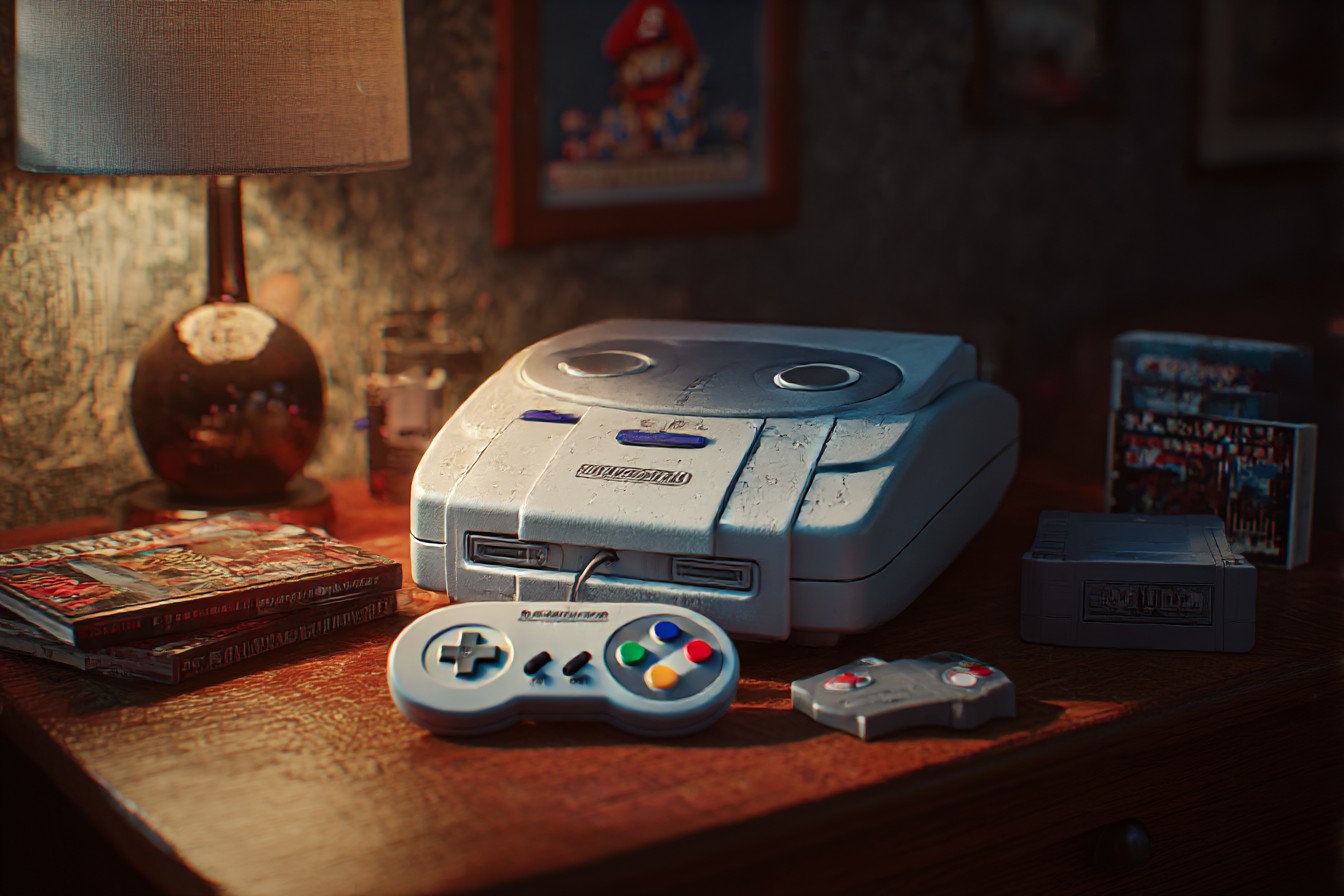
Racing games are where the improvement really shows, though. F-Zero X was already fast enough to make your eyes water on original hardware, but seeing it in 4K is like watching someone inject pure speed into your retinas. The track details that were completely lost in the blur are suddenly visible—little touches and design flourishes that the team at Nintendo EAD put in there knowing full well most players would never see them. It's like finding Easter eggs hidden by technical limitations rather than design intent.
Perfect Dark is another revelation. That game always felt slightly ahead of its time, pushing the N64 harder than it probably should have. Playing it now with the Expansion Pak's processing power finally unleashed through modern upscaling… it's the game Rare always wanted to make but couldn't quite achieve with '90s tech. The lighting in those corporate offices, the way weapons gleam under fluorescent strips—details that were completely lost in the original's chunky presentation now shine through.
But here's the thing that really gets me: it doesn't feel like cheating. I was worried that cleaning up these games too much might sterilize what made them special, like colorizing old films or something. Instead, it feels like restoration. Like someone carefully cleaned decades of grime off a Renaissance painting and suddenly you can see the artist's actual intention. The soul is still there—if anything, it's more visible now.
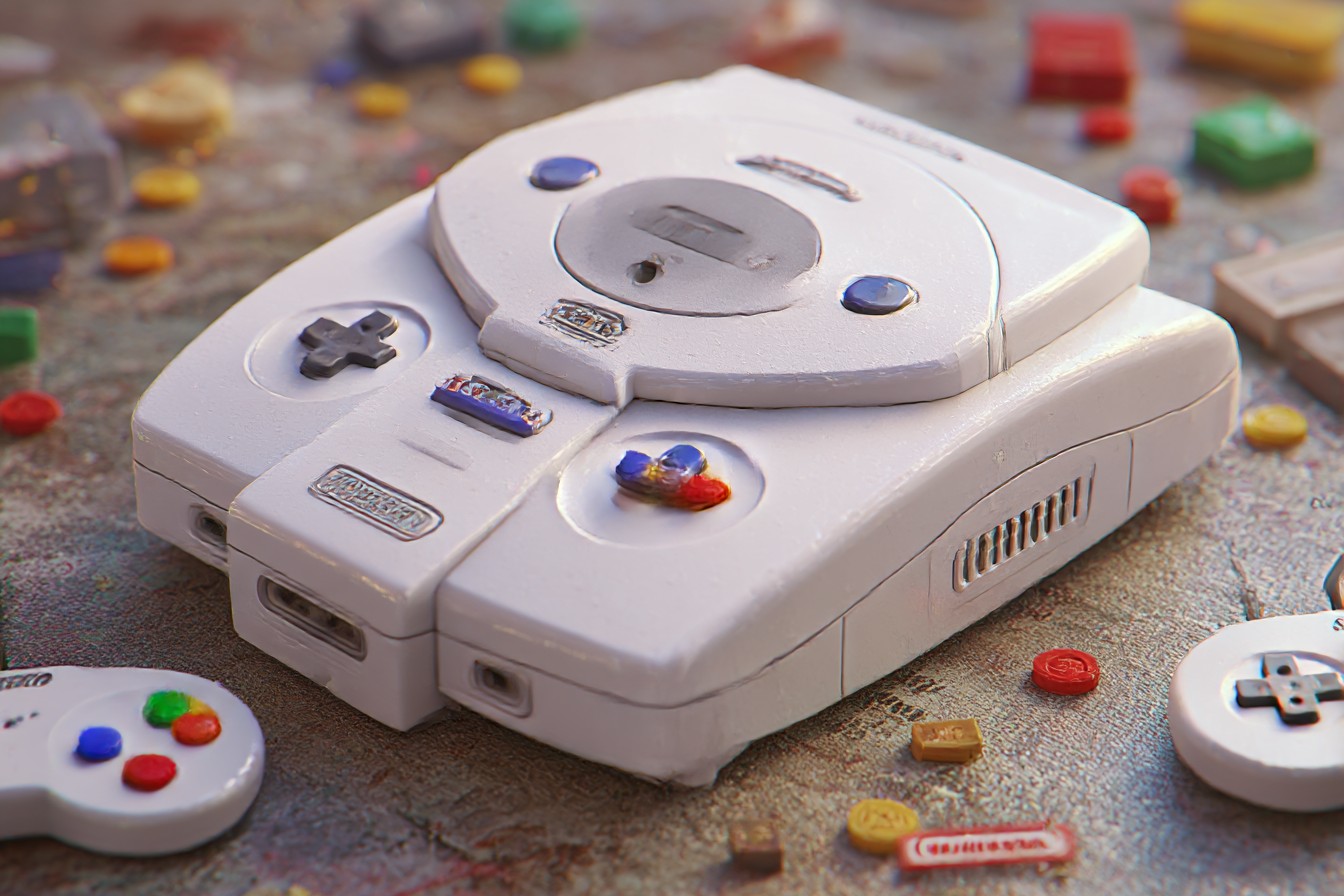
The technical side fascinates me too. The way modern scaling algorithms handle the N64's unique rendering quirks is genuinely impressive. That system never rendered at a consistent resolution—different games used different approaches, some rendered at 320×240, others at bizarre resolutions like 256×224, and Perfect Dark famously dropped to something horrific when things got busy. Getting all that inconsistency to play nicely with modern displays takes some serious engineering wizardry.
My current setup involves more cables and adapters than I care to admit. The N64 RGB mod was worth every penny, feeding into the OSSC, then through the RetroTINK for the final upscale. It's a proper Frankenstein's monster of retro-modern hybrid tech, but the results speak for themselves. Though I'll admit, explaining the signal chain to my partner when she asked why there were so many boxes under the telly… that was a conversation.
The best part? My seven-year-old daughter doesn't care about any of this technical nonsense. She just knows that Mario looks "really good" and that she can actually see where she's going in the darker levels of Banjo-Kazooie. To her, this is just how these games look. There's something beautifully full-circle about that—introducing a new generation to these classics without the technical barriers that defined them for us.
Playing these games in 4K doesn't make me feel old or nostalgic in some melancholy way. It makes me feel like that kid who first saw Super Mario 64 running in the shop window, except now I can actually afford the console. It's childhood wonder with adult resources, and honestly? That's a pretty decent trade-off for a receding hairline and back pain when I sit on the floor too long.



