Saturday nights at my mate Dave's house in 1998 had a ritual that bordered on religious ceremony. His mum would retreat upstairs with her cup of tea and a Mills & Boon novel, leaving us four lads to commandeer the living room and transform into wrestling superstars. The N64 would fire up with that familiar digital chime, and suddenly we weren't spotty teenagers anymore—we were championship material, ready to throw down in squared circles that existed purely in pixels and our overactive imaginations.
WWF WrestleMania 2000 was our first proper taste of wrestling game nirvana, but honestly? It was WWF No Mercy that completely rewired our brains. That game didn't just let you play wrestling—it let you become wrestling. The Create-A-Wrestler mode was like being handed the keys to your own personal federation, and we took that responsibility seriously. Way too seriously, if I'm being honest.
I remember spending entire evenings crafting the perfect fighter, tweaking every detail from entrance music to finishing moves. The amount of time we'd debate whether "Thunder Drop" or "Lightning Strike" sounded more intimidating for a signature move… Christ, we were nerds. But passionate nerds! Dave created this absolute unit called "The Biscuit Destroyer" who wore bright yellow trunks and had a devastating powerbomb. Meanwhile, I was perfecting my creation—a mysterious masked wrestler called "The Carpet Cleaner" who specialized in submission holds. Don't ask me why that name seemed brilliant at the time.
The thing about N64 wrestling games was how they captured the theatre of professional wrestling without taking themselves too seriously. These weren't simulation games trying to perfectly replicate real matches. They were pure entertainment systems designed to let you live out those childhood fantasies of being a WWF superstar. The controls felt chunky and satisfying—that distinctive N64 controller helping every grapple, every slam, feel properly weighty.
WWF Attitude had been decent enough, but it was missing something vital. The create-a-wrestler options were limited, and the whole thing felt a bit sterile. When WrestleMania 2000 landed, it was like someone had finally understood what we actually wanted from wrestling games. Suddenly you could craft storylines, create championships, design entire tournaments. My little brother got so obsessed with the title creation system that he made belts for everything—"Best at Making Toast Champion," "Supreme TV Remote Controller," you name it.
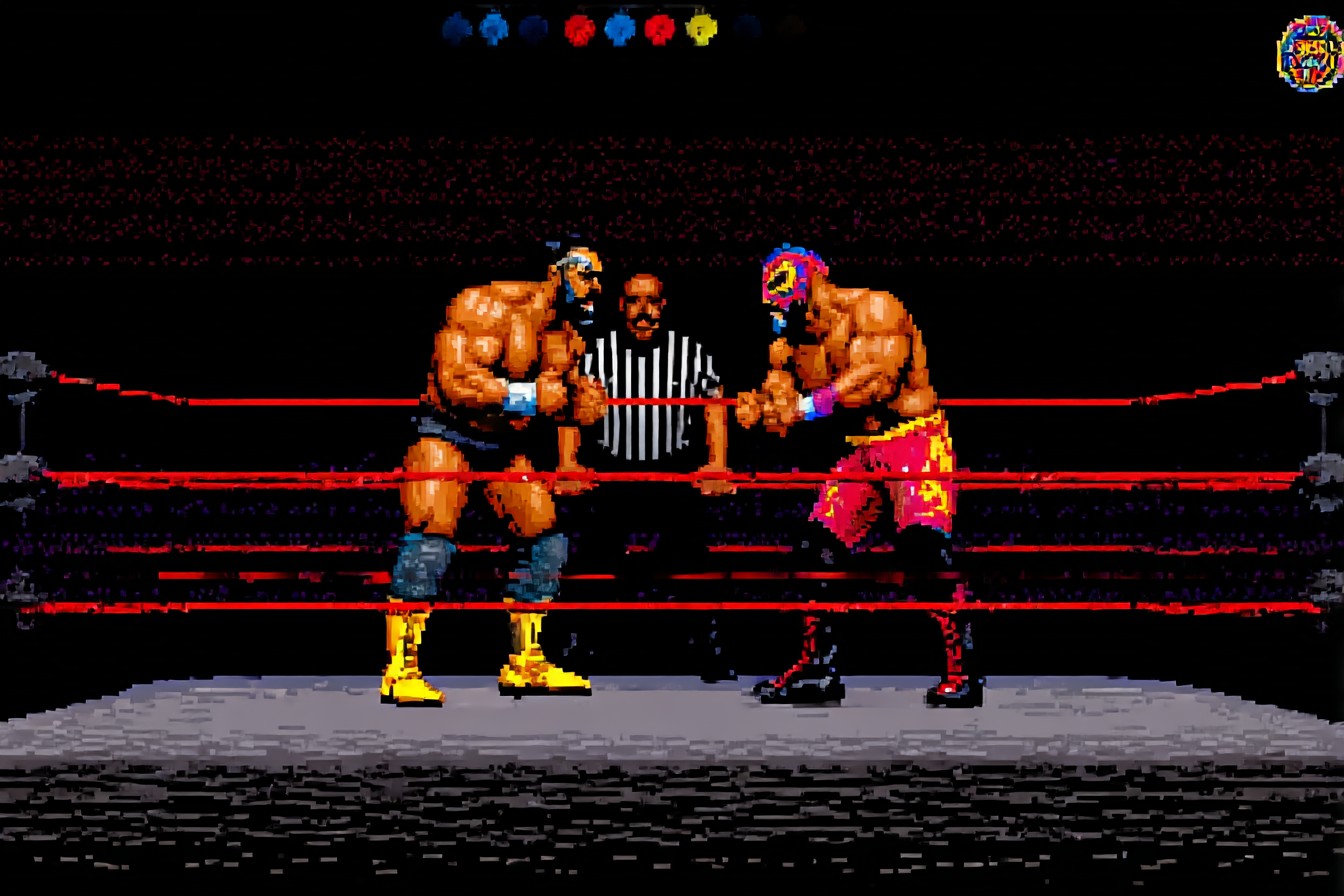
But No Mercy? That was the masterpiece. THQ and AKI Corporation had cracked the code completely. The grappling system was intuitive enough that anyone could jump in and start throwing people about, but deep enough that mastering it felt genuinely rewarding. The way different wrestlers had unique movesets and fighting styles meant every match felt distinct. The Rock's People's Elbow had this theatrical wind-up that perfectly captured his showboating personality. Stone Cold's Stunner was devastatingly quick and brutal. Mankind's finishing moves were delightfully unhinged.
Our multiplayer sessions became legendary affairs that would stretch past midnight. Four-player elimination matches were absolute chaos—bodies flying everywhere, controllers getting passed around as people tagged in and out, someone always claiming they'd been robbed by a cheap pin. The cage matches were particularly mental because the N64's limited processing power meant the cage would occasionally glitch, leading to wrestlers mysteriously teleporting outside the ring. We declared these "supernatural occurrences" and incorporated them into our ongoing storylines.
Speaking of storylines—the career mode in No Mercy was surprisingly engaging. You'd start as a nobody working your way up through the ranks, dealing with backstage politics and rival wrestlers who'd interfere in your matches. It felt like participating in an actual wrestling soap opera, complete with betrayals, unlikely alliances, and dramatic championship runs. I got genuinely invested in my created wrestler's journey from opening act to main event superstar.
The attention to detail was remarkable for a game running on hardware that was already feeling its age by 2000. Wrestlers would stumble differently depending on how much damage they'd taken. The crowd would react to specific moves and wrestlers with appropriate cheers or boos. The commentary, while repetitive, captured that over-the-top WWF announcer energy perfectly. Even the loading screens had personality—little animated sequences of wrestlers preparing for matches.
What really set these games apart was how they embraced the ridiculous spectacle of professional wrestling. Special match types weren't just gameplay variations—they were event experiences. Hell in a Cell matches felt properly claustrophobic and brutal. Royal Rumble elimination matches became extended parties where we'd all pick random wrestlers and see who could survive longest. The backstage areas in No Mercy let you fight in parking lots, locker rooms, and corridors, turning the entire arena into a potential battleground.
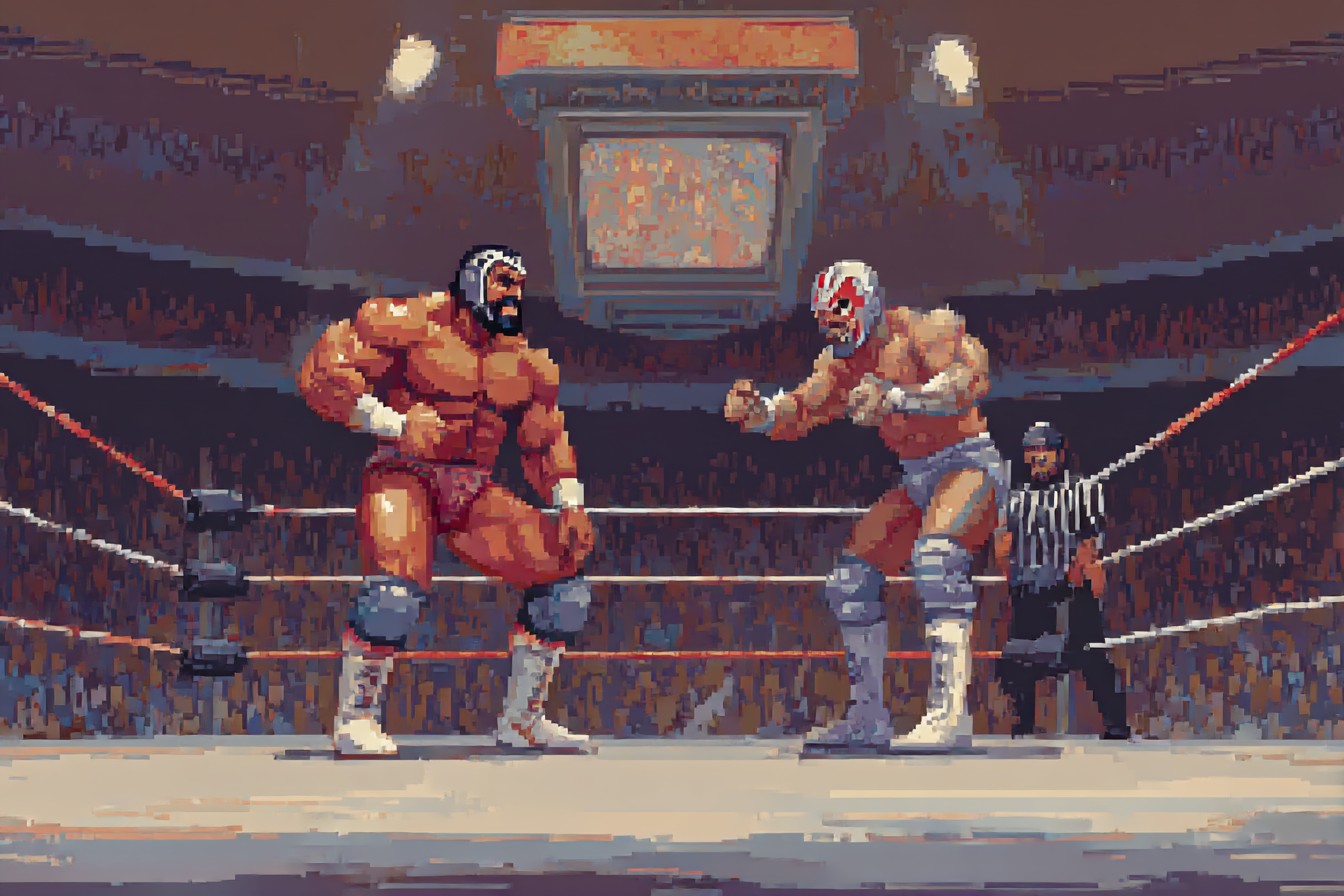
The character roster was incredible too. Every major WWF star was represented with their authentic entrance music, signature moves, and personality quirks. Playing as The Undertaker felt genuinely intimidating—his entrance alone would silence our usually rowdy group. Triple H's elaborate entrance routine with his water bottle spit became a running joke we'd reenact during loading screens.
Looking back now, with all our fancy modern graphics and online multiplayer capabilities, those N64 wrestling games still hold up remarkably well. They understood something fundamental about what makes wrestling entertaining—it's not about realistic simulation, it's about dramatic storytelling and larger-than-life personalities colliding in spectacular fashion. The slightly janky animations and limited voice samples somehow added to the charm rather than detracting from it.
These games taught us about competition, creativity, and the pure joy of shared gaming experiences. Every finishing move we invented, every championship belt we designed, every heated argument about who was the better wrestler—it all contributed to memories that feel more vivid than most of the hyper-realistic games I've played since.
The Nintendo 64 wrestling scene represented something special in gaming history. A perfect storm of innovative developers, iconic wrestlers, and hardware that forced creative solutions to technical limitations. Sometimes constraints breed the most memorable experiences, and those late Saturday nights creating digital legends proved it completely.



