I remember standing in Blockbuster, jaw practically on the linoleum, watching a demo reel of Pokémon Stadium running on the display N64. The opening sequence—that sweeping camera swooping around a packed arena while orchestral music swelled—felt like someone had grabbed my Game Boy by the scruff and dragged it kicking and screaming into the future. This wasn't the tiny sprite battles I'd been grinding through on my grey brick for months. This was proper television.
See, by 1999, I'd already sunk ungodly hours into Red and Blue. My Charizard was level 87, which in hindsight was complete overkill, but twelve-year-old me didn't understand game balance—I understood that bigger numbers meant more winning. I'd mastered the art of cable trading with my mate Simon, who had Blue to my Red, and we'd spend entire Saturday afternoons hunched over our Game Boys like tiny stock brokers negotiating Pokédex completion deals.
But Stadium? Stadium was different. It promised something that felt impossible: your actual Pokémon, the ones you'd raised and trained and accidentally nicknamed "AAAAA" because you mashed buttons too fast during the naming screen, fighting in glorious 3D on the big telly. The Transfer Pak made this witchcraft possible—a chunky grey adapter that plugged into your N64 controller, with a Game Boy cartridge slot on top. It looked like someone had bolted a filing cabinet to a spaceship, but it worked actual magic.
I saved up for weeks. Pocket money, birthday cash from gran, even a bit of blackmail money from catching my older brother sneaking out past curfew (sorry, Dave, but needs must). The day I finally brought Stadium home, Mum actually stopped hoovering to watch me set it up. That's how you knew it was serious business—Mum pausing mid-housework was basically a solar eclipse.
The first time I plugged in my Red cartridge and saw my Charizard materialize on screen, I might've made a noise that wasn't entirely dignified. There he was—MY Charizard, complete with the slightly wonky nickname I'd given him and every move I'd painstakingly taught through TMs—rendered in proper polygons, breathing actual fire, looking like he could step right out of the television. The animations were gorgeous for the time. Each Pokémon had personality, little idle animations that brought them to life in ways the Game Boy sprites never could.
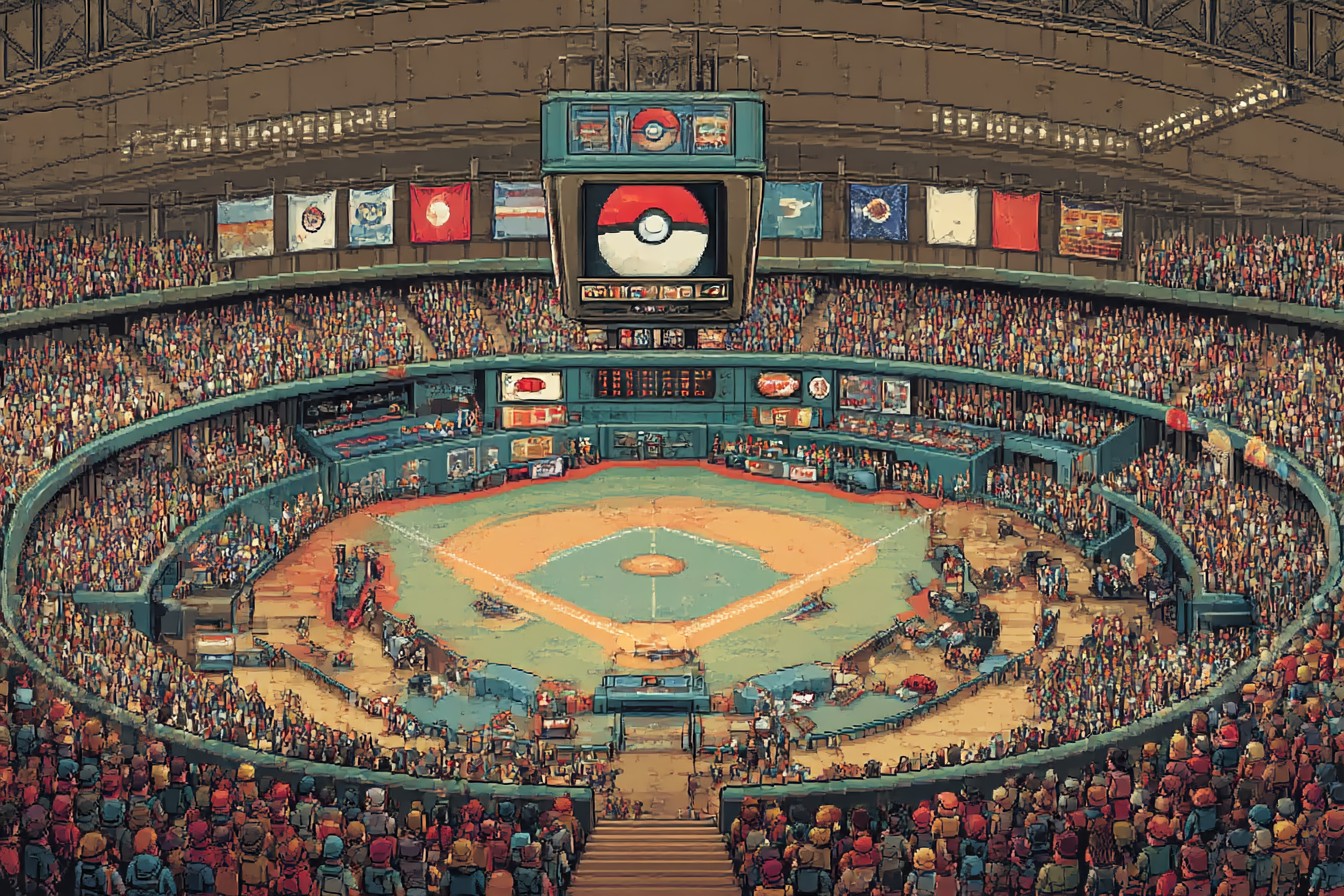
The battles themselves were revelatory. Watching Blastoise's Hydro Pump actually look like a proper water cannon instead of just text saying "It's super effective!" felt like stepping into the anime. The camera work was dynamic, swooping around the arena to catch dramatic angles. When a critical hit landed, you felt it. The sound design was spot-on too—each Pokémon had proper cries instead of the Game Boy's bleeps and bloops, and the announcer (who I'm pretty sure was trying his absolute best to channel a wrestling commentator) added this layer of theatrical drama that made every battle feel like an event.
But here's what really made Stadium special: it wasn't just a tech demo. Nintendo could've easily slapped together a basic battle engine and called it a day, but they went further. The rental Pokémon system meant you could experiment with creatures and movesets you'd never tried before. The gym leader castle mode provided structured challenges that actually taught you about type matchups and strategy in ways the main games sometimes glossed over. The Elite Four battles felt genuinely epic, especially when you were using your own trained team.
And then there were the mini-games. Oh, the mini-games. Rattata's Run was basically Mario Party before Mario Party got properly weird. Magikarp's Splash was an exercise in controlled chaos that somehow made the most useless Pokémon move in the game genuinely entertaining. These weren't throwaway extras—they were fully realized party games that could easily occupy an entire evening with the right group of mates.
The Transfer Pak itself deserves more credit than it usually gets. Yeah, it looked like a tumor growing out of your controller, and yes, it made the already unwieldy N64 pad even more cumbersome, but it was genuinely innovative tech. This was 1999—the idea of seamlessly moving data between handheld and console was science fiction stuff. The fact that it worked reliably (mostly) and let you truly connect your portable adventure to the home console experience was remarkable.
I spent countless hours in Stadium's Pokémon Lab, which was basically a sophisticated storage and organization system for your collection. You could arrange your boxed Pokémon, check their stats in detail, and even use the Game Boy Tower mode to play your actual Red/Blue cartridges on the big screen with Super Game Boy-style enhancements. Playing Pokémon Red at 1.5x speed on a proper television felt like luxury gaming.
Stadium also introduced me to competitive Pokémon battling in a way the originals never quite managed. The rental tournaments forced you to think strategically about team composition. You couldn't just brute-force your way through with an overleveled starter—you needed to understand movesets, type coverage, and actual tactics. I learned more about Pokémon mechanics from a few hours with Stadium's advanced battles than I had from dozens of hours grinding wild Geodudes.
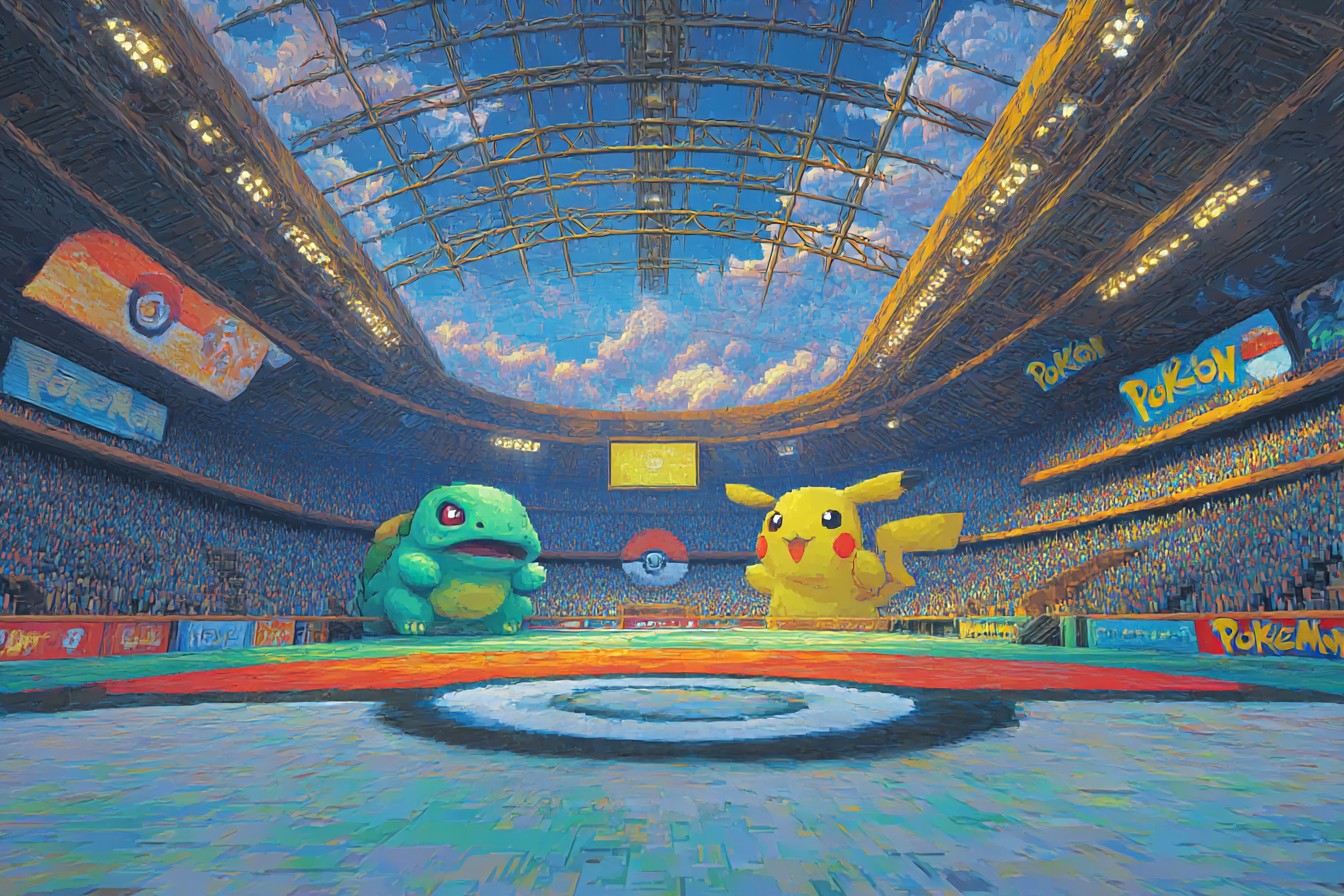
The sequel, Stadium 2, refined everything beautifully. Better graphics, Gold/Silver Pokémon, more mini-games, and that gorgeous opening sequence that still gives me goosebumps. But the original Stadium holds a special place because it was first. It was the proof of concept that showed us what Pokémon could become beyond the confines of a 160×144 pixel screen.
Looking back now, Stadium feels like a bridge between gaming eras. It took a fundamentally Game Boy experience and dragged it into the living room, complete with all the social chaos that implied. Four-player battles were loud, argumentative affairs that usually ended with someone threatening to unplug the console. The mini-games sparked the kind of competitive friendships that only Nintendo party games can forge.
I still fire up Stadium occasionally, usually on summer evenings when nostalgia hits just right. The graphics haven't aged gracefully—those early 3D Pokémon models look a bit rough now—but the core experience remains magical. There's something deeply satisfying about seeing your carefully trained team brought to life, even if the polygons are showing their age.
Stadium proved that sometimes the best innovations come from asking simple questions: "What if your pocket monsters could fight on the telly?" The answer, as it turned out, was pure gaming gold.



