Last night, I was reorganizing my game collection—you know how it is, the eternal quest for the perfect shelf arrangement—when I grabbed my grey N64 cartridge of Super Mario 64. The weight of it felt familiar in my hands, that specific density of quality plastic housing something magical. Got me thinking about Nintendo's first-party lineup for the 64, and honestly? They didn't just make games for that console. They made statements.
I remember the exact moment I knew the N64 was different. Christmas 1996, plugged it into our Panasonic CRT, fired up Mario 64, and watched that Italian plumber's face move like he was actually alive inside the telly. My younger cousin kept poking at Mario's nose on the file select screen, giggling every time it stretched. That wasn't just a tech demo—that was Nintendo announcing they'd figured out how to make polygons feel human.
Super Mario 64 wasn't just a launch title; it was a masterclass disguised as a platformer. Every surface taught you something about 3D space. The way Mario's momentum carried him up slopes, how his triple jump felt like you were cheating gravity, the satisfaction of a perfectly timed long jump across a gap—it all clicked. I spent hours in the castle courtyard just running around, learning how to exist in three dimensions. The camera system seems clunky now, but back then? Revolutionary doesn't cover it.
Then came The Legend of Zelda: Ocarina of Time, and suddenly every other game felt like amateur hour. I can still smell the September air through our kitchen window when I first walked into Hyrule Field at night. That haunting melody, those ReDeads shambling about—it was beautiful and terrifying in equal measure. Nintendo didn't just create a game; they built a living world with its own weather patterns and daily rhythms.
The Z-targeting system alone deserves a monument somewhere. Lock-on combat sounds obvious now, but in 1998, it was like someone had handed you the keys to sword fighting. Every boss battle felt choreographed, every encounter deliberate. And don't get me started on the music—Koji Kondo's compositions weren't just background noise, they were emotional navigation. You'd hear Zelda's lullaby and immediately know you were somewhere safe.
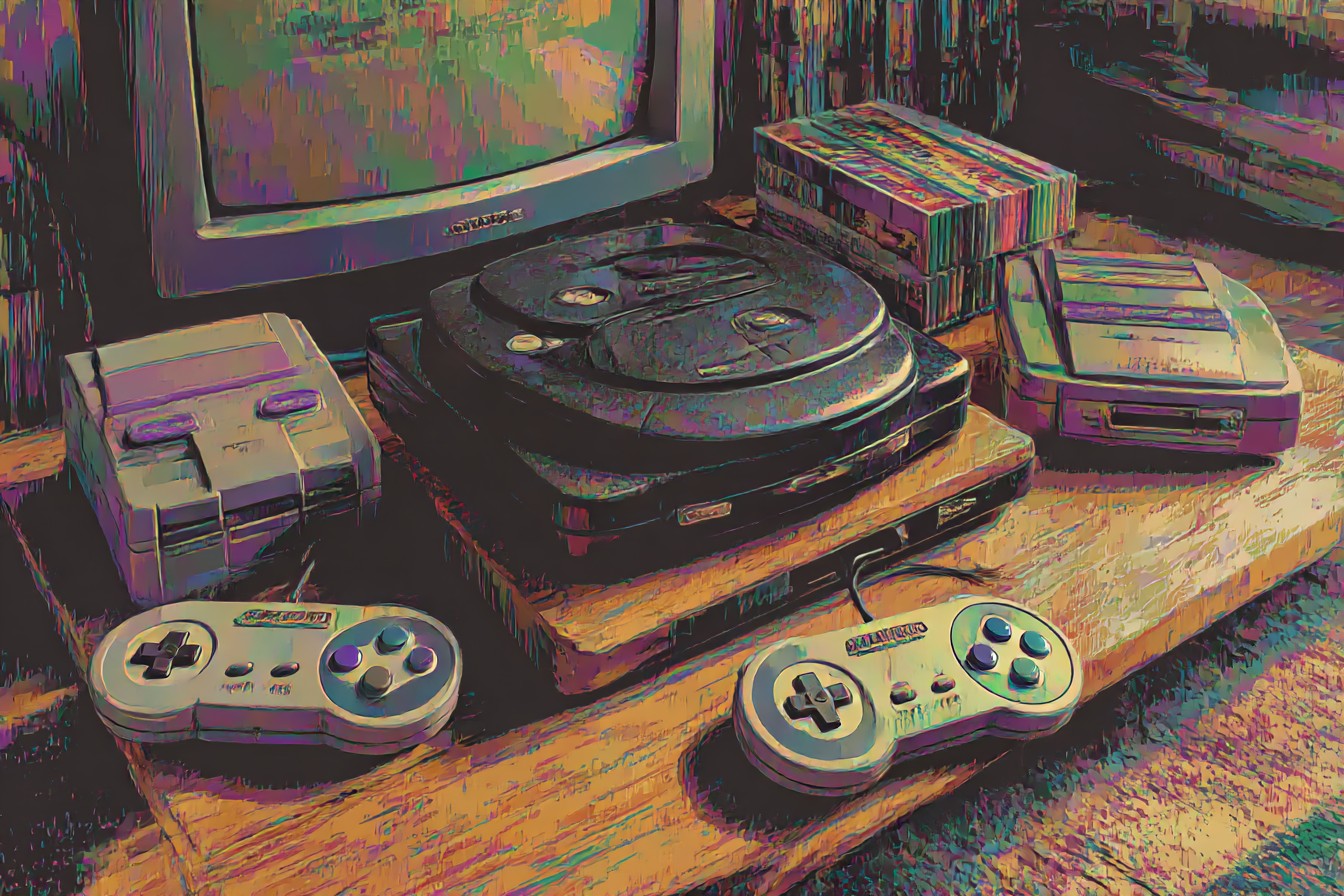
Mario Kart 64 turned our living room into a battleground. Four-player split-screen racing where friendships died horrible deaths over blue shells and shortcut discoveries. I learned more about human nature from watching my mates' faces during a heated Wario Stadium race than I did from years of psychology classes. The rubber-band AI was infuriating until you realized it kept every race exciting right to the finish line.
Perfect Dark and GoldenEye 007—yeah, Rare developed them, but Nintendo published and guided both projects—transformed how we thought about console shooters. GoldenEye made split-screen multiplayer feel like a legitimate sport. We had house rules, banned weapons (RCP-90 on Facility, anyone?), and enough trash talk to power a small generator. Perfect Dark took everything GoldenEye did right and cranked it to eleven. The weapon designs were inspired madness—laptop guns that turned into sentry turrets? Genius wrapped in silicon.
Star Fox 64 brought arcade-perfect shooting to our front rooms. The Rumble Pak made every laser blast feel like it had weight behind it. "Do a barrel roll!" became part of our vocabulary, shouted across bedrooms during particularly intense dogfights. Nintendo proved that rail shooters could work on consoles if you made the controls tight enough and the explosions spectacular enough.
Super Smash Bros. was Nintendo flexing their character catalog in the most delightful way possible. Watching Mario punch Pikachu while Link slashed at Samus felt surreal, like seeing cartoon characters from different shows having a crossover episode. The fighting was accessible enough for button mashers but deep enough for serious students of frame data. My mate Dave could consistently wreck us all with Captain Falcon, and we never figured out how.
Paper Mario arrived fashionably late to the N64 party, but what an entrance. Nintendo took their most famous character and made him literally paper-thin, then built an entire RPG around that concept. The humor was pitch-perfect, the turn-based combat felt fresh rather than dated, and the art style was timeless. It proved Nintendo could reinvent their franchises without losing their essential character.
F-Zero X delivered pure speed in a way that made other racing games look pedestrian. Thirty racers simultaneously tearing around impossible tracks at ludicrous velocities, with a soundtrack that sounded like robots having a proper metal concert. The sense of momentum was intoxicating—you'd lean into turns on your sofa like it would help your car corner better.
What strikes me most about Nintendo's N64 catalog isn't just the individual excellence of each game, but how they all pushed different aspects of 3D gaming forward. Mario 64 nailed movement and camera work. Ocarina established how to tell epic stories in three dimensions. Mario Kart proved multiplayer could be the main attraction. GoldenEye and Perfect Dark showed shooters belonged on consoles. Each game felt like Nintendo solving a specific puzzle about what gaming could become.
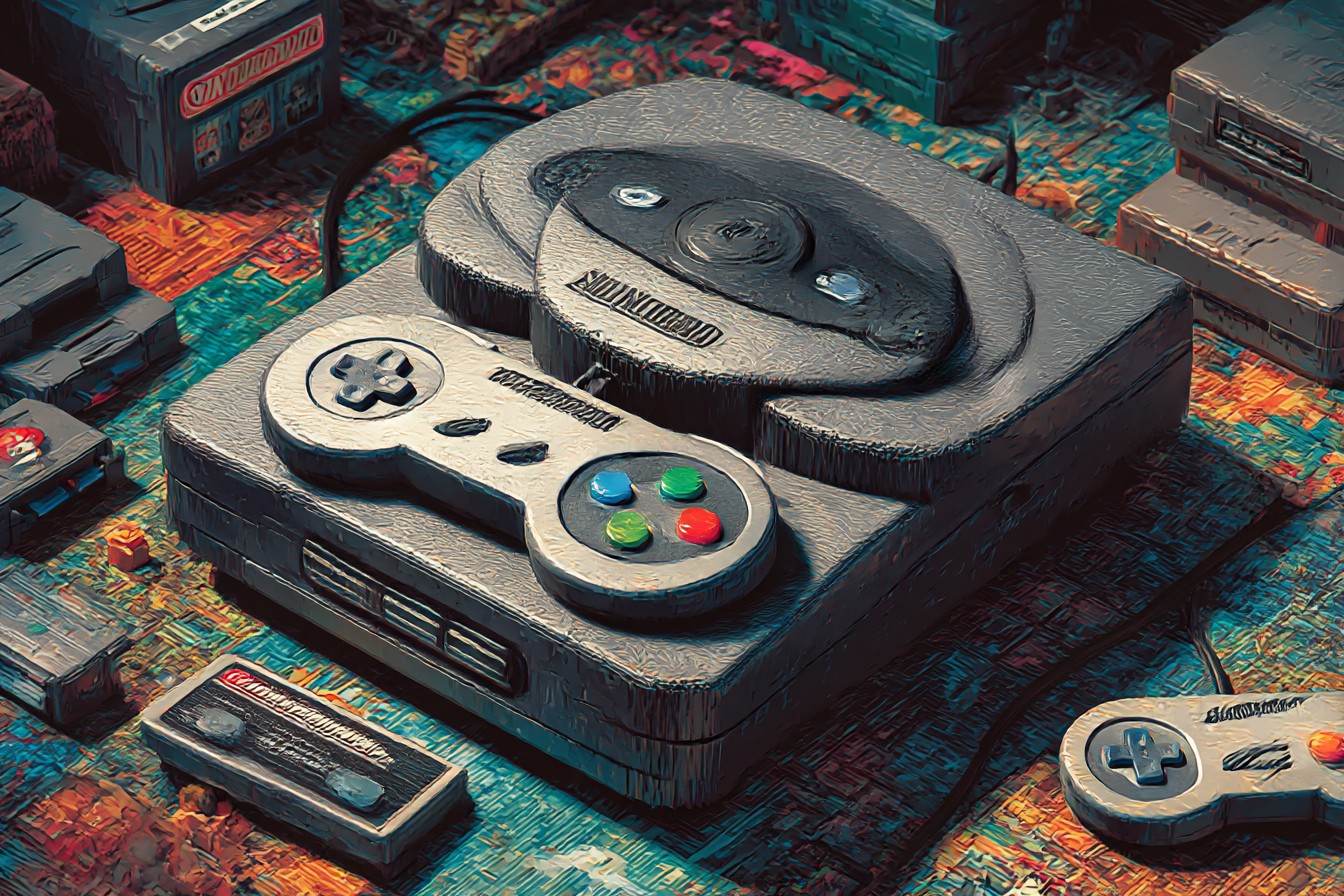
The controller—that bizarre three-pronged alien artifact—suddenly made perfect sense when you held it while playing these games. The analog stick wasn't just a gimmick; it was the key to everything. Digital movement belonged to the past; analog control was the future, and Nintendo had the only key.
I've played these games on emulators, on modern TVs through RetroTINK scalers, even on my Steam Deck under the covers. They all work, they're all valid ways to experience these classics. But there's something about original hardware on a CRT that captures the intended magic. The slight blur that softens harsh polygons, the scanlines that add texture to flat surfaces, the input lag that matches what these games were designed around.
Nintendo's N64 first-party lineup didn't just define console excellence—it wrote the rulebook for 3D gaming that developers still follow today. Every modern game with Z-targeting, every platformer with precise analog movement, every split-screen multiplayer session owes a debt to what Nintendo accomplished on that grey plastic box.
These weren't just games. They were blueprints for the future, wrapped in the kind of polish that only comes from developers who truly understand their craft.



