My daughter caught me grinning like an idiot at my Switch last Tuesday. There I was, sprawled on the sofa with Super Mario 64 running in portable mode, and she asked why I looked "weird happy." How do you explain to a seven-year-old that you're holding thirty years of technological evolution in your hands, running a game that once required negotiating TV time and untangling RF cables?
The Nintendo 64 games on Switch through Nintendo Switch Online feel like carrying a time machine in your back pocket. Not just any time machine, mind you—one that's been lovingly restored and given a few modern conveniences without losing what made it special in the first place.
I remember the exact moment I first saw Mario's face in that file select screen back in 1996. Mum had finally caved and bought the N64 for Christmas, mainly because my persistent campaign of leaving gaming magazines open to "helpful" pages around the house had worn her down. That polygonal plumber turning his head and winking felt like games stepping into the future with jazz hands. Now, nearly three decades later, I'm getting that same dopamine hit while waiting for a train.
The current lineup through Nintendo Switch Online feels deliberately curated rather than exhaustively complete, which honestly works better than you'd expect. You've got the obvious heavy hitters—Super Mario 64, Mario Kart 64, Ocarina of Time, Majora's Mask—but also some deeper cuts that remind you why the N64's library was so wonderfully bizarre. F-Zero X still feels like racing through a fever dream, all speed and impossibly twisty tracks that defy physics in the best possible way.
What strikes me most about playing these games portably is how they've aged. Some better than others, obviously. Mario 64's camera still has moments where it behaves like a drunk tourist with a disposable camera, but the core movement? That's still butter-smooth perfection. I've probably collected those same 120 stars across different platforms more times than I've changed the oil in my car, and it never gets old. There's something about Mario's weight and momentum that just clicks in your brain.
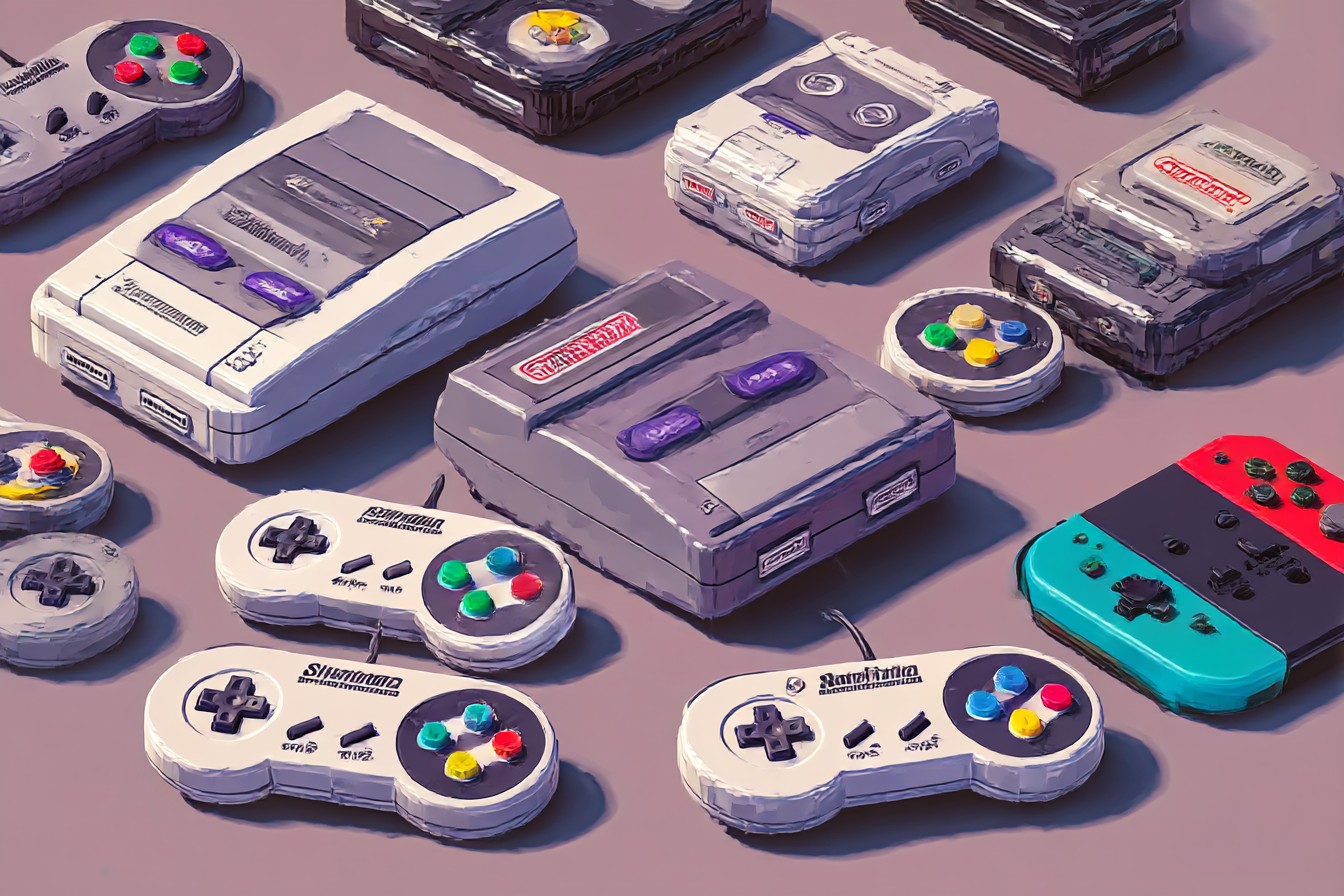
Mario Kart 64, on the other hand… well, let's be honest. The AI still cheats like a politician's expense account, and playing online reveals how much muscle memory I've lost over the years. But firing it up on the Switch during a lunch break? Pure nostalgic comfort food. The track design remains brilliant—Wario Stadium's chaos, Rainbow Road's epic length that nobody actually wanted to finish. Playing it with the Switch's surprisingly decent D-pad brings back sense memories of blisters from marathon sessions and arguments about who got to be Yoshi.
The Zelda games deserve their own paragraph because, crikey, they hold up well. Ocarina of Time feels like visiting an old friend's house where everything's exactly where you left it. That opening sequence in Kokiri Forest still has this magical quality—partly the music (Koji Kondo is a wizard), partly the way sunlight filters through the trees. Playing it on a handheld somehow makes it feel more intimate, like you're holding a storybook instead of watching TV.
Technical stuff, because I can't help myself—the emulation quality is generally solid. Not perfect, but solid enough that you're not constantly thinking about framerates or input lag. I've got my original N64 set up through an UltraHDMI mod to my 4K TV, and honestly? The Switch versions are often more pleasant to play. Cleaner image, consistent performance, and you can actually read the text without squinting. My aging eyes appreciate not having to lean forward like I'm studying hieroglyphs.
The controller situation deserves mention too. The N64's three-pronged alien artifact was genius wrapped in ergonomic confusion, but trying to map those controls to modern hardware always feels like translation. Nintendo's done a decent job with the Switch's button layout, though some games definitely feel the absence of that analog stick's particular spring tension. Z-targeting in Zelda works fine with the shoulder buttons, but it's not quite the same as that satisfying Z-trigger click.
What really gets me is the save system. Remember memory cards? Those tiny plastic rectangles that held entire worlds? Now everything just… saves. Automatically. With multiple slots. And cloud backup. My kid has no concept of losing a save file because the battery died, no understanding of the careful ritual of cartridge removal, the gentle breath across the contacts like you're blessing a religious artifact.
The social aspect has evolved too. Back in the day, four-player Mario Kart meant negotiating controller dibs and finding enough space on the carpet. Now you can play online with strangers who probably weren't even born when the N64 launched. There's something both wonderful and slightly melancholy about that. The shared experience remains, but it's mediated through internet connections and friend codes rather than shared pizza and arguments over who unplugged whose controller.
I find myself playing these games differently now. Not just because I'm older and theoretically wiser, but because the context has changed. On the original hardware, booting up Ocarina of Time was an event—you cleared your schedule, maybe grabbed snacks, prepared for a session. On Switch, I might play for ten minutes while coffee brews, or pick up where I left off during a work break. It's more casual but somehow no less meaningful.
The younger generation discovering these games for the first time through Switch Online fascinates me. My nephew played Super Mario 64 last month and immediately asked why the camera was "so wonky." Fair point, kid. But he also spent two hours just running around the castle courtyard, marveling at Mario's movement in the same way I did decades ago. Some magic transcends generational gaps and questionable camera systems.
Playing N64 games on Switch feels like portable time travel because it collapses decades of gaming evolution into a single device. You're holding the future that the past dreamed of—wireless, high-resolution, with save states and online play. But you're also holding the past itself, perfectly preserved and ready to transport you back to Saturday mornings and negotiated TV time. Sometimes the best journeys are the ones that take you home.



