Christmas 1999. My living room looked like a bomb had gone off in an electronics store—wrapping paper everywhere, the smell of turkey drifting in from the kitchen, and four controllers snaking across the carpet like digital umbilical cords. My cousin Dave had brought over his copy of Mario Party, grinning like he'd discovered fire. "You'll love this," he said, popping the cart into my N64. "It's like Monopoly but fun."
Famous last words.
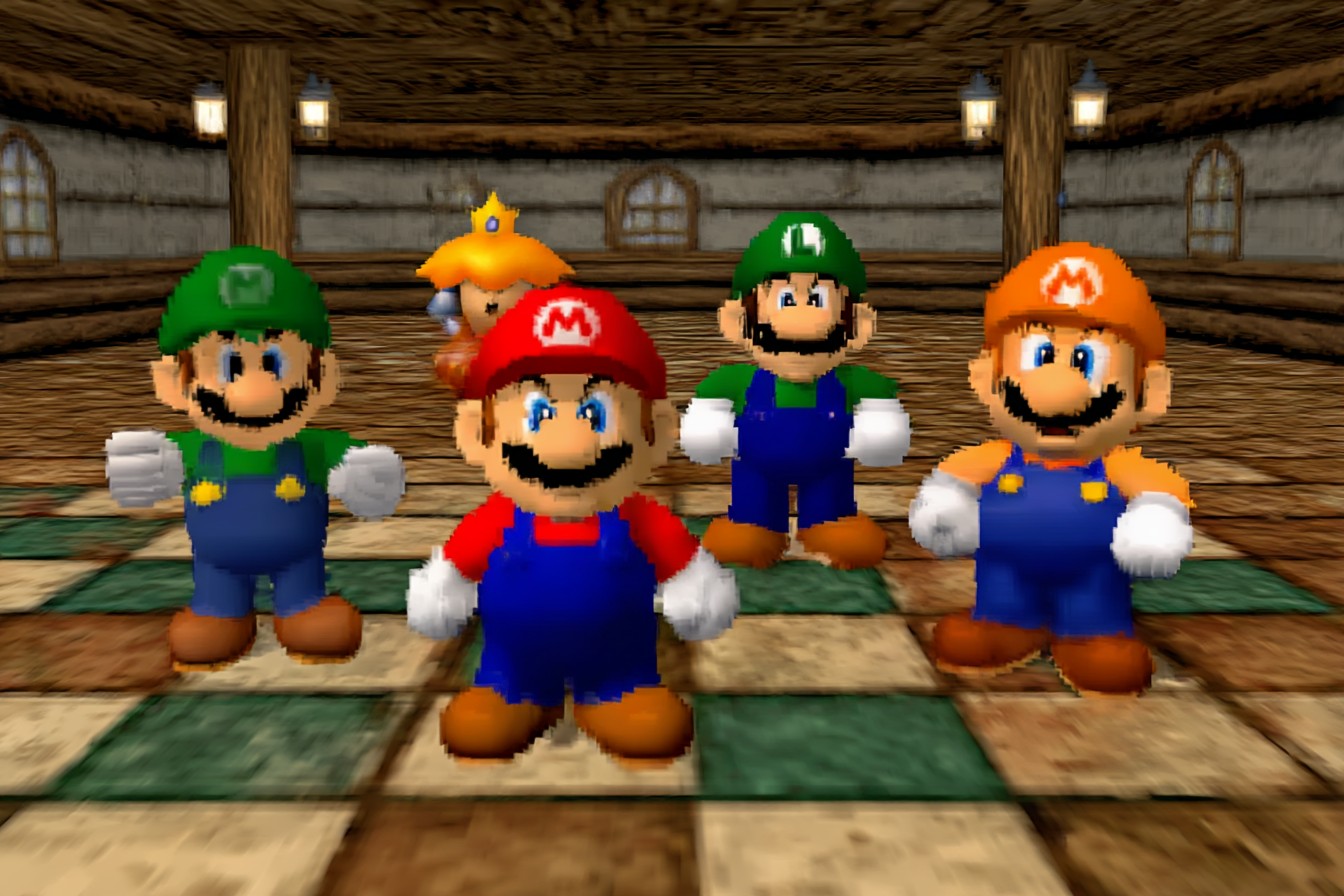
See, I'd heard about Mario Party from the lads at school. Mixed reviews, really—some called it brilliant, others muttered dark warnings about "palm destruction" and "broken controllers." But nothing, absolutely nothing, prepared me for what was about to unfold. Within thirty minutes, my normally civilized family had transformed into a pack of savage competitors, shouting over mini-games and hurling accusations like grennade pins. My nan—sweet, gentle nan who made Victoria sponges and knitted scarves—actually called my brother "a cheating little toerag" after he stole her star with a Boo. The woman who'd never said a harsh word about anyone was suddenly plotting revenge like she was planning the Great Train Robbery.
That's the thing about Mario Party on the N64—it didn't just test friendships, it put them through a bloody stress test. Board games had rules, you know? Monopoly might drag on forever, but at least when someone landed on Mayfair with a hotel, you knew why you were going bankrupt. Risk could end marriages, sure, but the betrayal was strategic, calculated. Mario Party? Pure, concentrated chaos wrapped in bright Nintendo colors and delivered with that trademark plumber charm.
The mini-games were the real kicker. Remember Tug O' War? Course you do—it's probably carved into your palm like some kind of tribal scarring. Four players, one rope, and the N64's analog stick demanding the sort of rotation that would make a washing machine dizzy. We'd start off civilized enough, gentle circular motions, maybe using our fingertips like civilized humans. Then someone would get desperate. Out came the "palm technique"—sliding that stick around your palm like you were trying to start a fire. The friction burns were real. The blisters were real. The desperate midnight searches for plasters were very, very real.
My mate Chris developed this horrifying technique where he'd use the inside of his wrist. Looked like he was self-harming for a high score. His mum banned the game after she saw the marks, thinking he'd been in some kind of accident. "It's just Mario Party!" he protested. "Just Mario Party" she repeated, like he'd admitted to recreational drug use.
But the stick rotation was only part of the madness. Those mini-games were specifically designed to fracture relationships. Take Shy Guy Says—basically Simon Says but with mushroom-headed creatures and the sort of timing that would make a Swiss watchmaker weep. Simple concept, right? Follow the pattern, press the buttons. Except when you're sitting next to your best mate who's been copying your moves all evening, and suddenly he gets the pattern right while you're hammering A when you should've pressed B… well, that's when civilized discourse breaks down.
"You looked at my screen!"
"I did not look at your screen!"
"You definitely looked at my screen, I saw you look at my screen!"
"How can you see me looking at your screen if you're watching your own screen?"
Philosophy majors would have field days with Mario Party arguments. The logic was always circular, the accusations always passionate, and the evidence always circumstantial. Screen-peeking became this nebulous concept—sometimes it was blatant cheating, sometimes it was unavoidable peripheral vision, and sometimes it was just convenient excuse for losing.
Then there were the button-mashers. Oh, the button-mashers. Pedal Power, where you had to cycle faster than humanly possible. Cast Aways, where you're frantically reeling in fish while your thumb develops repetitive strain injury. These games turned the N64 controller into a percussion instrument—four players hammering away like they were sending morse code to aliens. The sound was horrific. Click-click-click-click-CLICK-CLICK-CLICK. My dad would retreat upstairs with a magazine and a pained expression, muttering about "bloody racket" and "when I was your age."
The worst part? The games were actually brilliant. Not in spite of the chaos—because of it. Hudson Soft knew exactly what they were doing when they programmed those mini-games. Every mechanic was designed to create maximum drama with minimum skill barrier. Your gran could play Bumper Balls and potentially send you flying into the void with one lucky bump. Your little sister could nail Face Lift while you're sitting there looking like a Picasso painting gone wrong. The playing field wasn't level—it was actively tilted toward unpredictability.
And then there were the boards themselves. Wario's Battle Canyon with its Bob-omb cannons that could reshape your entire strategy in one explosion. DK's Jungle Adventure where Donkey Kong himself would appear like some kind of ape-shaped deity to redistribute stars based on his own mysterious criteria. These weren't just game boards—they were interactive soap operas where alliances formed and crumbled faster than digestive biscuits in tea.
The star-stealing mechanic was pure evil genius. Twenty coins to summon a Boo and nick someone's star? Absolute bargain. The betrayal was built right into the economy. You'd spend three turns helping your mate avoid Bowser spaces, sharing coins like some kind of communist collective, then the moment you got twenty pieces together… off to hire the ghost of capitalism. The look on their face when their star vanished? Priceless. The look on your face when they inevitably returned the favor? Less priceless. More like you'd been punched in the soul.
But here's the thing—we kept coming back. Every weekend, every school holiday, every birthday party. "Just one more game," we'd say, like addicts convincing themselves they could quit anytime. The ritual was always the same: select characters (arguments), choose a board (more arguments), set the turn count (heated negotiations), and then dive headfirst into several hours of gleeful mutual destruction.
My poor N64 controllers took an absolute beating. The analog sticks went loose within months—that telltale wobble that meant precision aiming in GoldenEye was now more art than science. The face buttons developed permanent mushiness from all that frantic mashing. I went through more controllers during my Mario Party phase than I did during the entire rest of my N64 ownership combined. Those replacement pads weren't cheap, either—twenty-five quid each, which was serious money when your weekly pocket money barely covered a Freddo and a pack of football stickers.
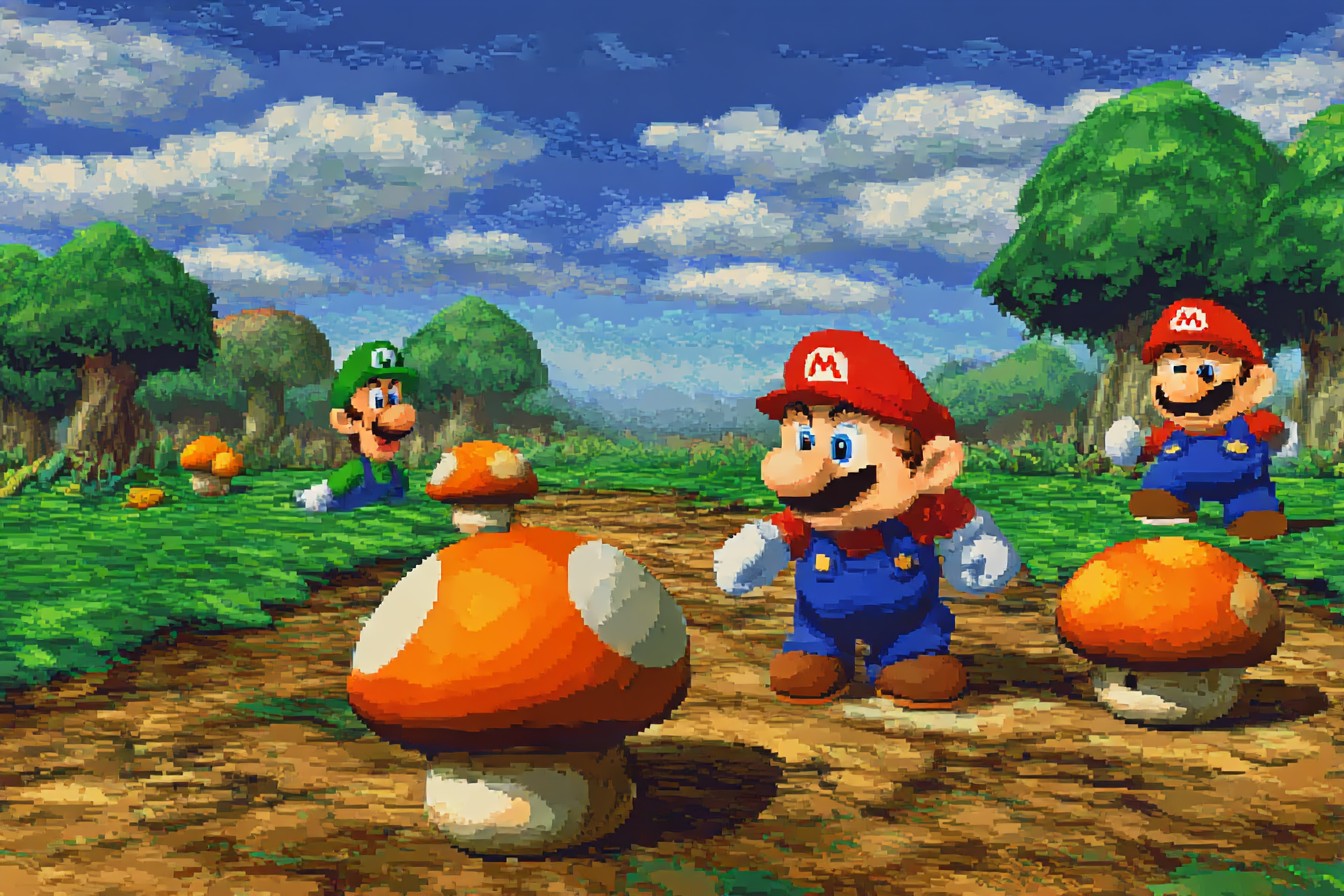
Looking back now, Mario Party was like a crash course in human psychology disguised as a family-friendly board game. It taught us about competition, betrayal, forgiveness, and the thin line between friendly rivalry and actual warfare. Risk might have conquered more living rooms, but Mario Party conquered more souls. It revealed who your friends really were when the chips were down and the stars were sparse.
Years later, when Mario Party moved to other consoles, something was lost. The GameCube versions were polished, sure, but they lacked that raw, brutal honesty of the N64 original. Maybe it was the controller—that wonderfully awkward three-pronged design that forced you into uncomfortable positions during extended play sessions. Maybe it was the graphics, all chunky and sincere in that late-90s way. Or maybe it was just timing—that perfect storm of being young enough to care deeply about winning imaginary stars and old enough to hold grudges about it afterward.
These days, my own kids play Mario Party on the Switch. It's gentler somehow, more forgiving. The mini-games don't require actual physical endurance, the boards are less punishing, and nobody's going home with friction burns. Part of me misses the savagery of the original, but mostly I'm grateful my controllers might actually survive their childhoods intact.
Still got that battered N64 cart somewhere in my collection. The label's a bit dog-eared, the pins are slightly tarnished, but it boots up just fine. Sometimes I'll load it up late at night, just to hear that familiar menu music—that bouncy, optimistic tune that promised fun but delivered psychological warfare. And you know what? I regret nothing. Best twenty quid my mum ever spent, even if it did nearly end Christmas dinner that year.