My daughter found my old Genesis collection last weekend while we were clearing out the loft. She held up Sonic 2 like it was some ancient artifact, which I suppose it is now. "Dad, this looks weird," she said, examining the chunky black cartridge with its faded label. Weird. That little plastic rectangle contains more joy per square inch than most Netflix series.
I couldn't help myself—had to fire up the old Mega Drive right there on the dusty loft floor. That satisfying click as the cart slides home, the gentle hum of the YM2612 warming up, then SEGA's voice booming through those tinny TV speakers. My daughter jumped. I grinned like an idiot. Some things never get old.
Going through that collection was like flipping through a photo album, except every picture moved and had a soundtrack that could rattle your fillings loose. Streets of Rage sits there next to Gunstar Heroes, Phantasy Star IV wedged between Shinobi III and Contra Hard Corps. Each one tells a story, not just of pixels and polygons, but of specific Saturday afternoons, arguments with my little brother over whose turn it was, and the peculiar satisfaction of finally beating Dr. Robotnik after thirty-seven attempts.
Sonic the Hedgehog was my gateway drug, obviously. Everyone's was. That first level—Green Hill Zone—is basically gaming comfort food. The palm trees swaying in the background, those ridiculous loop-de-loops that made no geological sense but perfect video game sense. The music? Pure ear candy. I could hum Chemical Plant Zone in my sleep, and probably do. My wife certainly claims I do.
But here's the thing about the Genesis library that people forget—it wasn't just about the mascot with attitude. Sega had this brilliant habit of saying "yes" to everything. Want a game about fighting aliens in the streets while a thumping house soundtrack plays? Streets of Rage 2, mate. How about controlling a tiny ship through impossible bullet patterns while riding a dragon? Panzer Dragoon, sorted. A side-scrolling shooter where two characters can combine weapons and create absolute chaos? Gunstar Heroes will melt your face off.

I remember renting Golden Axe from the local video shop (remember those?). The bloke behind the counter warned me it was "a bit violent" and winked. Violence? This was cartoon barbarian fantasy at its finest. Death Adder looked properly menacing in that low-res way that somehow felt more threatening than today's photorealistic villains. The magic system was pure genius—hold the button, watch your character glow, release for maximum carnage. Simple. Effective. My brother and I wore out that rental copy's save battery before we had to return it.
Then there's Road Rash. Good lord, Road Rash. Someone at Electronic Arts looked at motorcycle racing and thought, "You know what this needs? Chains and baseball bats." The physics made no sense—you could highside at 100mph and bounce back onto your bike like nothing happened—but the pure anarchic joy of clotheslining another rider at speed? Chef's kiss. The soundtrack perfectly matched the mood too. Driving fast, hitting hard, and somehow always managing to outrun the cops despite leaving a trail of unconscious bikers in your wake.
Ecco the Dolphin deserves special mention because it's absolutely barmy. You play as a dolphin. That talks. To other sea creatures. Using echolocation mechanics that actually worked. The whole thing felt like someone's fever dream about marine biology, complete with time travel and alien invasions. The music was haunting—these ethereal tones that made you feel like you were actually swimming in deep ocean trenches. Terrifying and beautiful at the same time.
The RPGs on Genesis don't get enough credit. Phantasy Star IV was doing things with storytelling that most games today still struggle with. Proper character development, meaningful choices, turn-based combat that never felt like a slog. The anime-style cutscenes were revolutionary back then. I'd sit there watching these little animated sequences thinking this was the future of gaming. In a way, I wasn't wrong.
Shining Force introduced me to tactical RPGs before I even knew that was a genre. Moving little warriors around a grid, planning attacks, managing resources—it was like chess but with dragons and healing potions. The AI wasn't particularly clever, but it didn't matter. The satisfaction of executing a perfect flanking maneuver with your entire army? Better than Christmas morning.
Let's talk about the six-button controller for a moment. That beautiful, ergonomic piece of plastic perfection. When Capcom started porting Street Fighter II, suddenly having X, Y, and Z buttons made all the difference. Hadokens felt proper. Dragon punches had weight. My mate Dave claimed he could do Zangief's spinning piledriver with his eyes closed. He was lying, but we all pretended to believe him because it sounded cool.
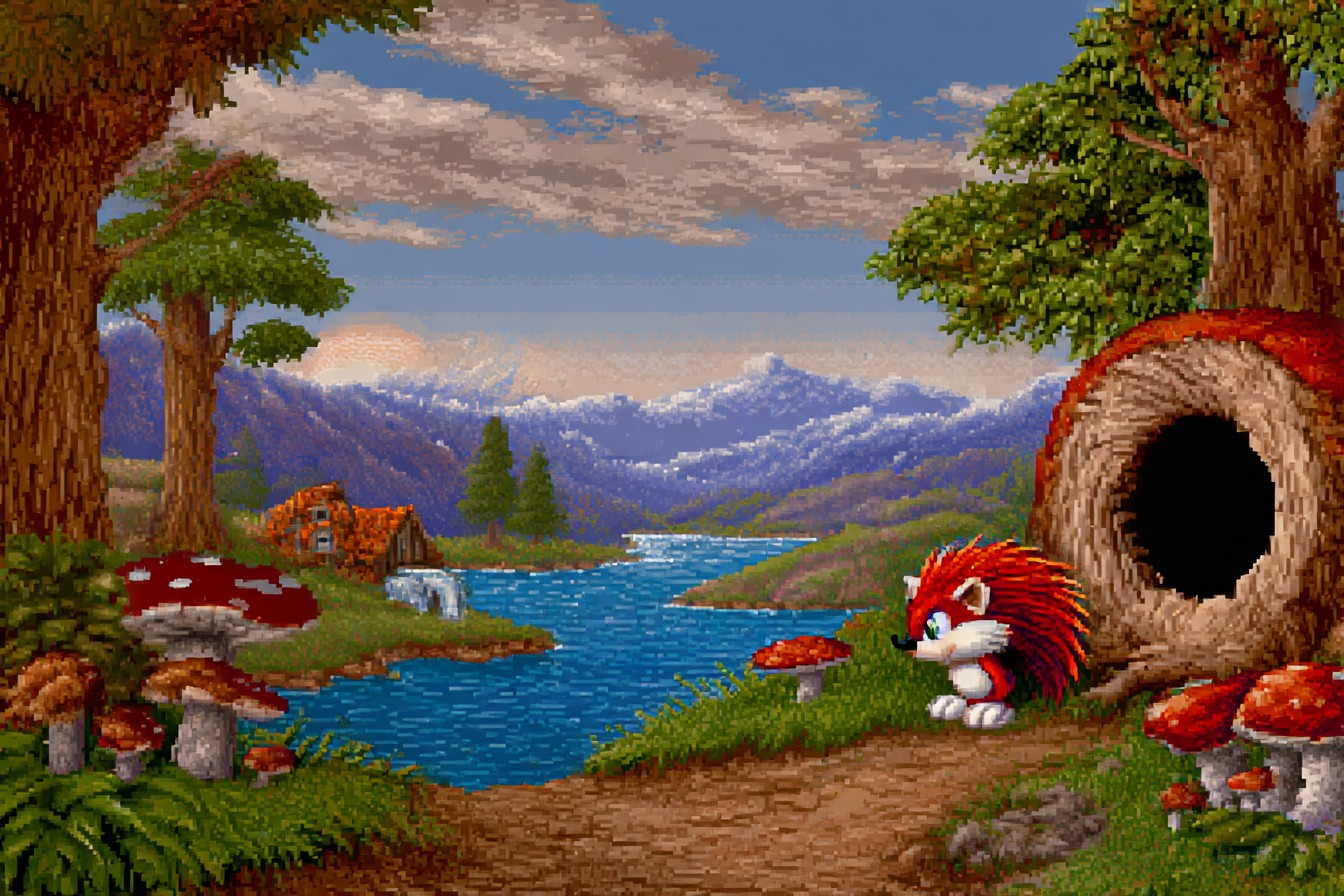
Treasure games on Genesis were something else entirely. Gunstar Heroes, Alien Soldier, Dynamite Headdy—each one felt like the programmers were showing off. "Look how much we can squeeze out of this hardware!" Gunstar Heroes in particular was pure audio-visual chaos. Two-player cooperative shooting where the entire screen exploded into fragments of color and sound. Your eyes would water from the sensory overload, but you couldn't stop playing.
The sound of the Genesis is unmistakable. That slightly metallic twang from the FM synthesis chip gave everything a distinctive edge. Thunder Force IV's soundtrack could wake the dead. Streets of Rage's club bangers made you feel like the coolest person on the planet. Even simple sound effects—the ring collection in Sonic, the slice of Shinobi's sword—had this crisp, punchy quality that cut through your living room like audio razor blades.
Looking back, the Genesis represented pure id in video game form. Nintendo had polish and restraint; Sega had raw energy and a willingness to try absolutely anything. Some of it worked brilliantly. Some of it was completely mental. All of it was memorable.
My daughter eventually managed to get past the first level of Sonic 2. Her face when she realized you could spin dash? Same expression I probably had in 1992. Some magic transcends generations, apparently. Even if the cartridge does look "weird" to fresh eyes.