Friday night, 1997. Four mates squashed onto my bedroom floor, backs against the radiator, controllers tangled like Christmas lights. Someone's mum had dropped off a multipack of Pepsi and a bag of those prawn cocktail crisps that turn your fingers nuclear orange. The N64 sat there humming quietly, that little red LED blinking like it was part of the gang. And there, glowing on the screen, was the weapon select menu that would spark more heated debates than Brexit.
"Right, no Oddjob," I announced, because someone had to be the voice of reason. "And absolutely no camping in the toilets on Facility."
"That's not camping, that's tactical positioning," protested Dave, already eyeing up his usual spot.
This was GoldenEye. This was everything.
I'd picked up my copy from Electronics Boutique a few weeks earlier, trading in about seven Mega Drive games and throwing in twenty quid of birthday money. The box felt weighty, important. The cartridge had that new-plastic smell mixed with something vaguely metallic. When I slotted it in for the first time and heard those opening notes—that Bond theme filtered through the N64's sound chip—I knew something special was happening.
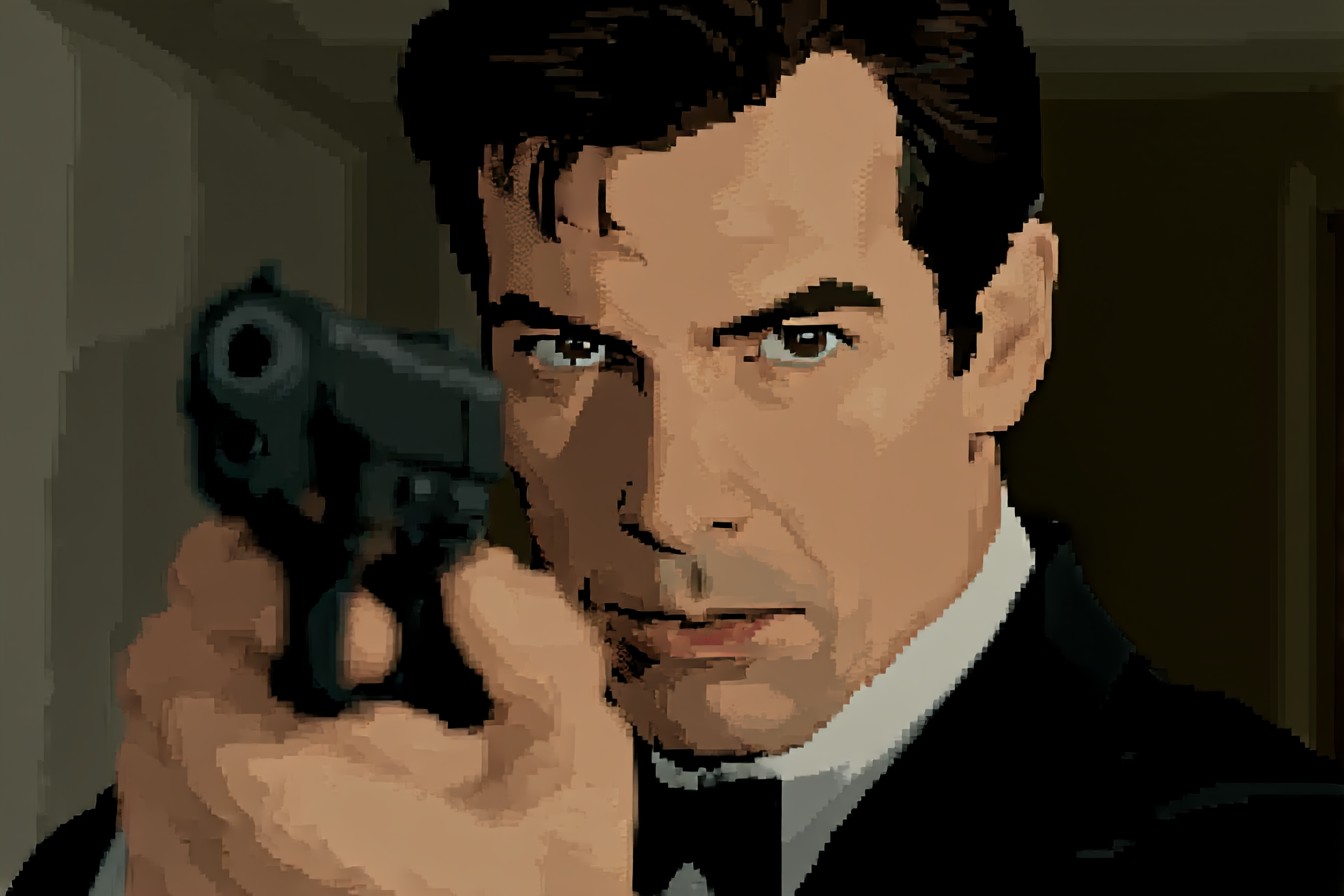
Single player was brilliant, don't get me wrong. Running through those missions, recreating scenes from the film while adding your own chaos, felt like being handed the keys to a spy thriller. The controls took some getting used to—that weird C-button setup for looking around—but once it clicked, it really clicked. I spent hours perfecting my Facility run, trying to shave seconds off my time, learning every guard patrol pattern by heart.
But multiplayer? That's where GoldenEye stopped being a game and became a way of life.
We'd argue about the rules before we'd even picked characters. Someone always wanted to play as Oddjob because they thought being shorter gave them an advantage. They were right, of course, which is exactly why we banned him. "It's not fair," we'd protest, "you can't aim down properly!" The counter-argument was usually something about how real soldiers would adapt to different enemy heights, but that kind of tactical realism had no place in our living room democracy.
The weapon debates were even fiercer. "Slappers only" was the great equalizer—everyone reduced to running around like maniacs, frantically button-mashing, hoping their karate chop would connect first. It was chaos. Pure, beautiful chaos. Then there were the proxy mine matches where half the fun was booby-trapping doorways and watching your mates walk straight into them. "You absolute muppet!" became the standard greeting for anyone who fell for the same trap twice.
Screen-watching was supposedly forbidden, but we all did it. How could you not? Four players, four sections of a telly that wasn't exactly massive to begin with—your peripheral vision was going to catch something. The trick was being subtle about it. Quick glances, not obvious head-swiveling. Getting caught was the real crime. "Stop looking at my screen!" "I'm not looking at your screen!" "Yes you are, I can see you looking!" It was like an elaborate dance of denial and accusation.
The maps became our battlegrounds, each one with its own personality and unwritten rules. Temple was the big, sprawling one where you could actually use some proper tactics—or just grab the rocket launcher and blow everything up. Complex was perfect for those tense, corridor-stalking matches where every footstep mattered. Archives with its maze of bookshelves turned every game into a game of cat and mouse. And Facility… ah, Facility. The toilets, the vents, the central area where all the action happened. We knew every pixel of that place.
What made GoldenEye special wasn't just that it was a good shooter on a console—though that was revolutionary enough. Console shooters before GoldenEye were… well, they weren't great. Doom on the SNES was a brave effort but felt like trying to play piano with oven gloves. GoldenEye actually felt right. The Z-trigger made aiming natural, the auto-aim was generous enough to keep things moving, and the whole thing just flowed in a way that nothing else had managed.
But more than that, it understood what made local multiplayer magical. Split-screen wasn't just a technical compromise; it was a social experience. You could hear your mate swearing under his breath when you got behind him. You could see the frustration when someone got trapped in a corner. The trash talk happened in real-time, face to face, with immediate consequences. "Oh, you think that was lucky? Let's go again then!"
The variety kept us coming back night after night. One match we'd be having a serious, tactical battle with assault rifles and careful positioning. The next we'd be running around with paintball guns, giggling at the splat sounds. Then someone would suggest "The Man with the Golden Gun" mode and suddenly we're all hunting for that one special weapon that could end the round with a single shot. Every match told a different story.
I remember one particularly epic session that went until about 2 AM. My mum kept shouting upstairs for us to "keep the noise down," but we were too invested in a heated tournament bracket we'd drawn up on the back of a Pizza Hut menu. Best of three rounds, winner stays on, losers had to make tea. By the end of it, we'd consumed about eight cups of tea, a whole packet of chocolate digestives, and created enough in-jokes to last us weeks.
The magic wasn't just in the gameplay; it was in those moments between matches. Arguing about who had the best strategy, trying to recreate that amazing shot you'd just pulled off, debating whether the RCP-90 was overpowered (it absolutely was). GoldenEye gave us a shared language, a common experience that we'd reference for years afterward.
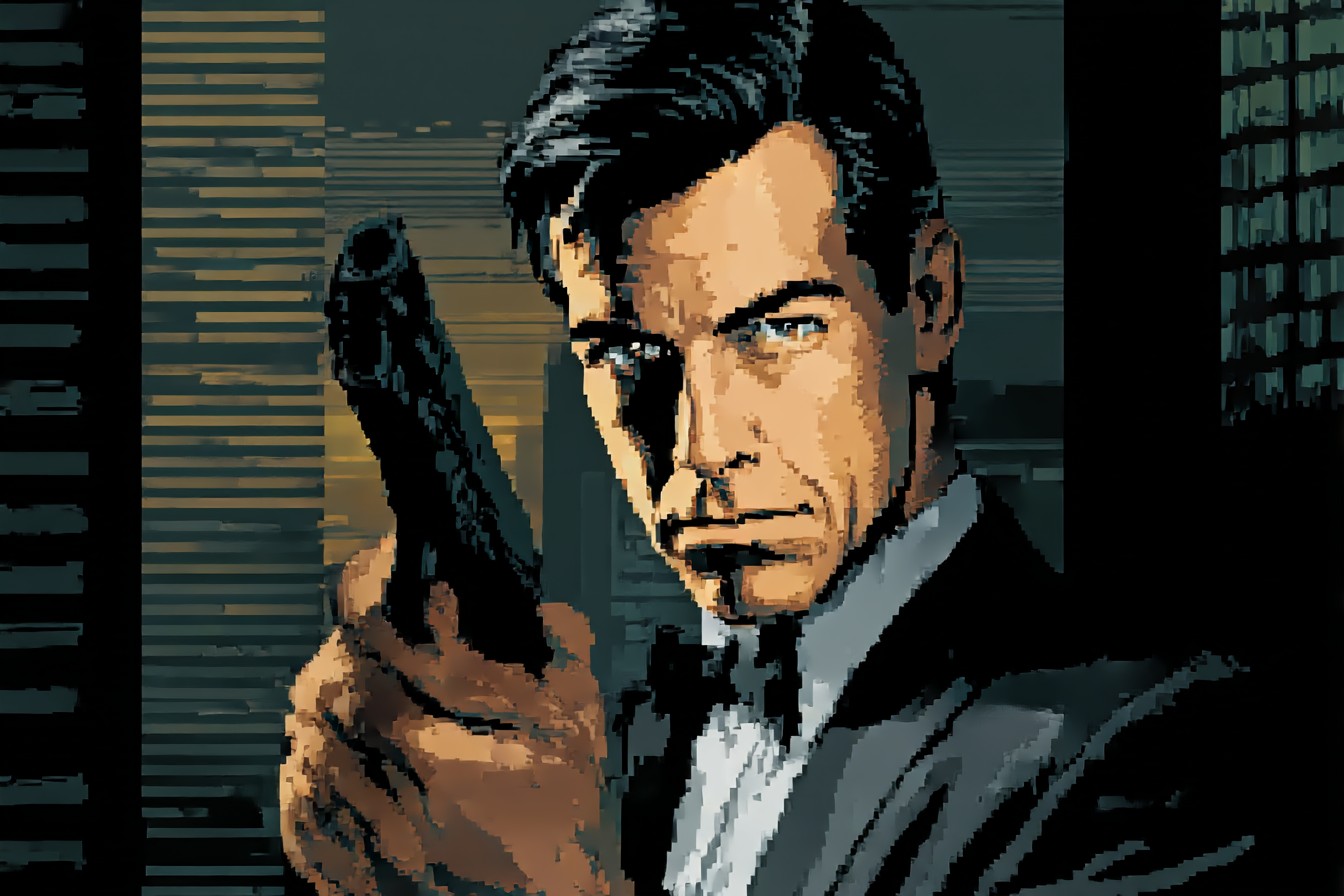
Even now, decades later, when the four of us get together—which isn't often enough—someone will inevitably mention "that time on Silo when you fell off the platform" or "remember when the cartridge kept glitching and Bond's face went all weird?" GoldenEye isn't just a game we used to play; it's part of our friendship's DNA.
That's what Rare managed to capture with GoldenEye—not just a great shooter, but a perfect social experience. Every technical limitation became part of the charm. The split-screen wasn't ideal, but it meant you were all together. The graphics weren't photorealistic, but they had character. The controls were unconventional, but they worked.
Sometimes I fire up Perfect Dark for a bit of nostalgia, or try one of the modern remasters. They're good games, technically superior in every way. But they can't recreate that specific magic of four teenagers, a small TV, and a handful of N64 controllers on a Friday night in 1997. That's something you can't patch or remaster.
That's just lightning in a bottle.



