My mate Dave still has his original copy of DOOM on about seventeen floppy disks, and every time I see that battered cardboard sleeve, I remember the exact moment PC gaming grabbed me by the collar and refused to let go. It wasn't the graphics—though watching pixelated demons explode in VGA glory felt revolutionary after years of console sprites. It wasn't even the gameplay, brilliant as it was. No, what hooked me was the culture around it.
See, DOOM came to us via shareware, which was basically drug dealing for nerds. You'd get the first episode free, and if you wanted more, you had to actually pay id Software real money through mail order or—if you were lucky enough to live near one—a proper computer shop. But here's the thing: that first episode was enough to ruin your social life completely. I spent entire weekends in 1993 navigating those corridors, memorizing enemy patterns, hunting for secret walls. The sound of a door opening in DOOM still makes my pulse quicken thirty years later.
But DOOM was just the beginning. The real magic of 90s PC gaming wasn't any single title—it was how the whole ecosystem worked together to accidentally create the future of computing. CD-ROM drives were still exotic enough that owning one made you the neighborhood tech guru by default. I remember the first time I saw Myst running on a friend's 486. Those pre-rendered backgrounds looked photorealistic compared to anything we'd seen before. Never mind that the gameplay moved at the speed of molasses; we were looking at the future, and it was beautiful.
The thing about PC gaming in the 90s was that it required you to become a part-time computer technician whether you wanted to or not. Installing games meant navigating DOS, tweaking CONFIG.SYS files, and praying to whatever digital gods might be listening that your sound card wouldn't conflict with your CD-ROM driver. I spent more time in those days figuring out IRQ settings than actually playing games, but somehow that made the victories sweeter.
Commander Keen taught me that shareware could be every bit as polished as retail games. John Carmack and John Romero were basically running a masterclass in game distribution, years before anyone used terms like "viral marketing." You'd pass those disks around school like contraband, copying them for friends who copied them for their friends. It was piracy, sure, but it was also how you discovered your next obsession.
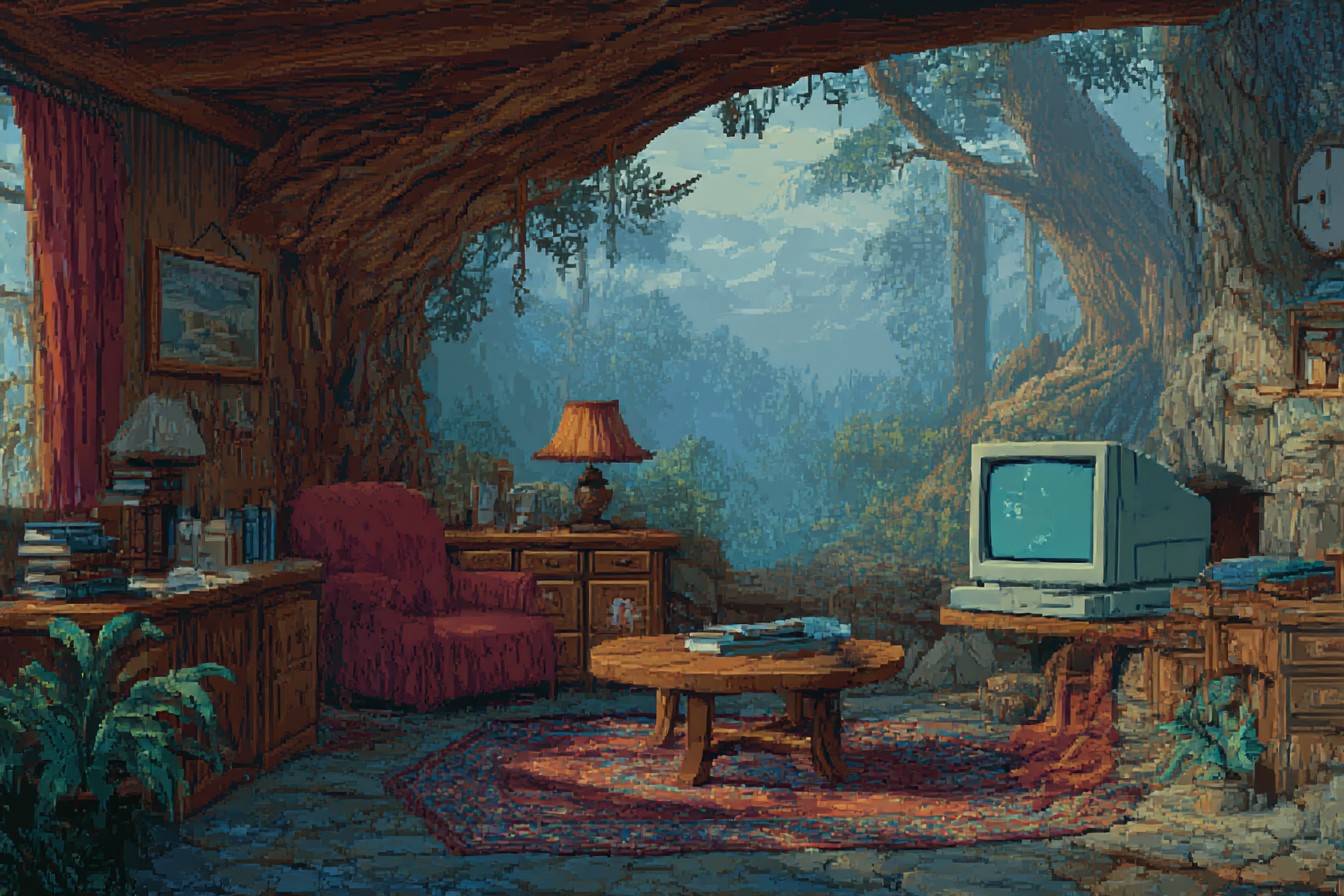
Then came the CD-ROM revolution, and everything changed overnight. Suddenly games could include full-motion video, CD-quality audio, and enough storage space for developers to go absolutely mental with their ambitions. Wing Commander III had Mark Hamill in it. Actual Luke Skywalker, acting in a computer game! The production values were television-quality, which meant they were simultaneously impressive and hilariously dated within about six months.
But here's what nobody talks about when they get nostalgic about 90s PC gaming: how absolutely broken most of it was. System requirements were more like gentle suggestions. "Requires 4MB RAM" usually meant "might run acceptably with 8MB if you sacrifice a goat to the memory management gods." I had a Pentium 75 that could barely handle Duke Nukem 3D at anything approaching playable framerates, but I persevered because the alternative was going outside and talking to actual humans.
LAN parties became our version of social clubs. We'd haul our beige towers and fifteen-inch monitors to someone's garage, string together BNC cables like Christmas lights, and spend entire weekends fragging each other in Quake. The smell of overheated hardware and cold pizza became permanently associated with pure joy in my brain. Someone always forgot their mouse pad. Someone else always brought a keyboard that sounded like a machine gun. We'd argue about lag compensation and packet loss like they were matters of national importance.
The real game-changer, though, was Windows 95. Suddenly you didn't need to boot into DOS to play games. Well, you still did half the time because compatibility was a fever dream, but the promise was there. Microsoft was finally taking gaming seriously, and that legitimized the whole medium in ways we're still feeling today. When your operating system includes Solitaire and Minesweeper by default, you're making a statement about what computers are for.
I learned more about computer architecture from trying to run Ultima VII than I ever did in any computer science class. That game required you to understand memory management, sound card compatibility, and the dark arts of TSR programs. Origin's copy protection involved answering questions from the cloth map they included in the box—which was brilliant until you inevitably lost the map and had to call their hint line like a digital criminal confessing your sins.
The transition from 2D to 3D graphics happened so fast it gave us all whiplash. One day we were playing Doom's pseudo-3D corridors, the next we had true 3D acceleration cards promising photorealistic graphics. My first Voodoo Graphics card cost more than my car was worth, but seeing Quake running in hardware-accelerated glory was like witnessing magic. Colored lighting! Bilinear filtering! Terms that meant nothing to normal people but everything to us.
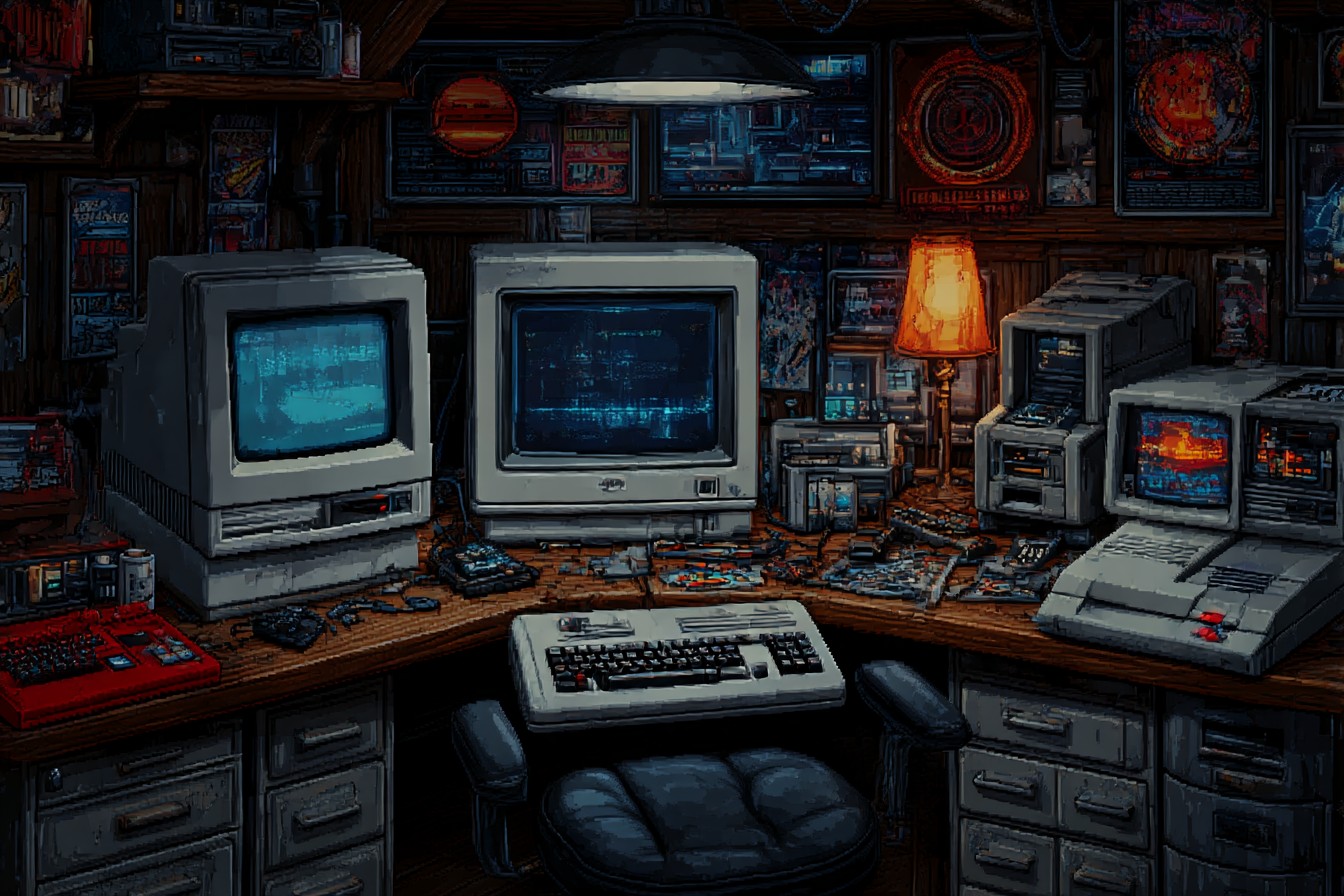
Shareware culture created something beautiful: a direct relationship between developers and players. You could email John Carmack a bug report and actually get a response. Small teams could compete with major publishers because distribution was democratized. Some kid in his bedroom could create the next big thing and share it with the world for the cost of a few blank disks. That DIY spirit infected everything—from level editors to total conversion mods to entirely new games built on existing engines.
The real legacy of 90s PC gaming isn't any particular title or technology. It's the culture of tinkering, sharing, and pushing hardware beyond its reasonable limits. We created communities around shared technical knowledge. We learned that good enough was often better than perfect, especially if perfect meant waiting another six months for your favorite developer to figure out how to make their game run on your particular combination of components.
Looking back, those beige boxes were performing miracles on a daily basis. Sure, the graphics look primitive now, but we were running complex simulations, network protocols, and artificial intelligence on hardware that would struggle to run a modern web browser. We were digital pioneers, even if we didn't realize it at the time.
Every time I fire up DOSBox or dig out an old CD-ROM, I'm not just playing a game—I'm time traveling back to an era when computing felt like exploration rather than consumption. Those games didn't just change computing forever; they changed us forever too.



