Four controllers plugged into those bizarre N64 ports, my mate Dave arguing about who gets the see-through purple one, and someone's mum shouting from the kitchen that we'd better not wake the baby. That was Saturday afternoon perfection, circa 1997, when GoldenEye 007 turned my living room into a digital battleground that would define multiplayer gaming for generations.
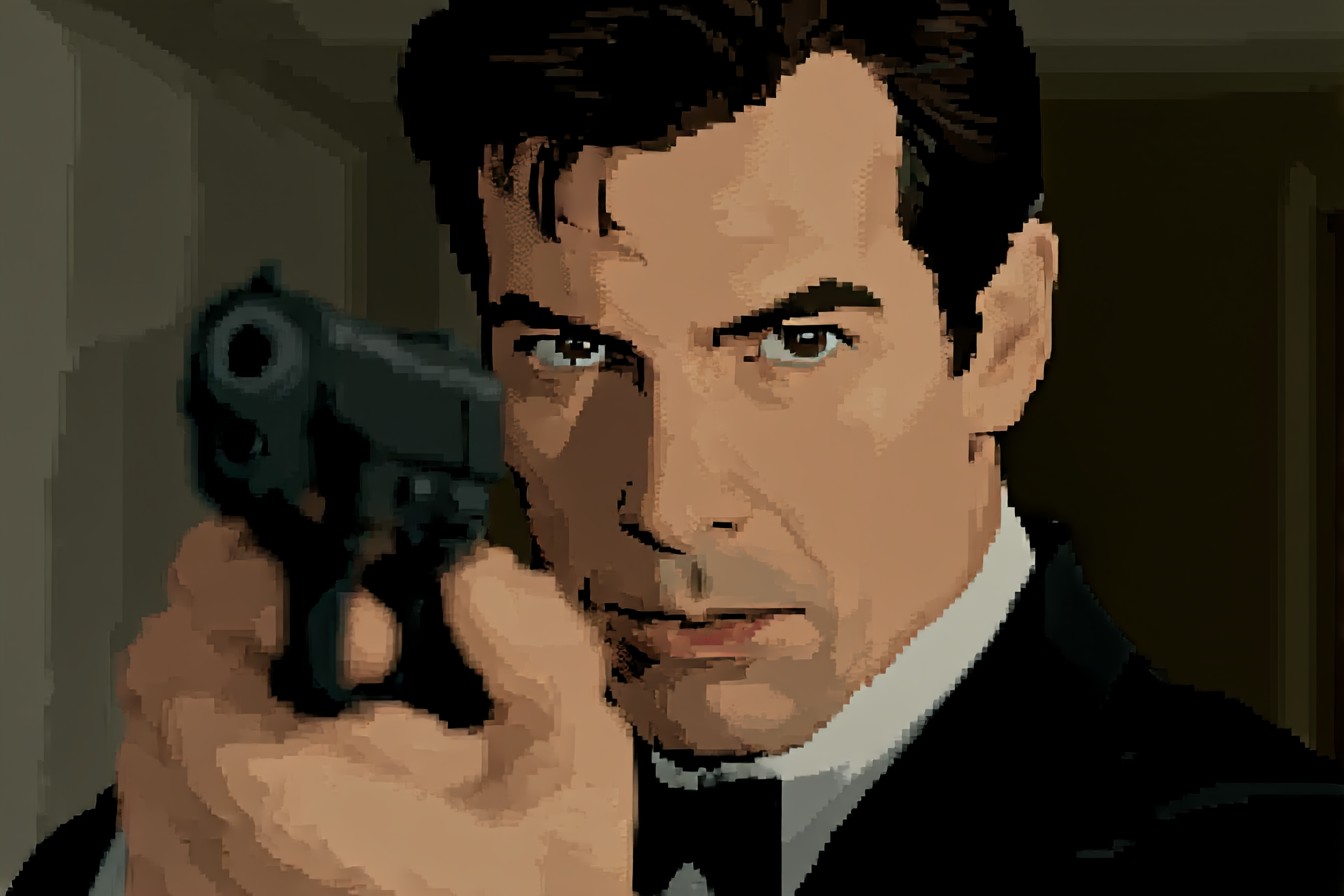
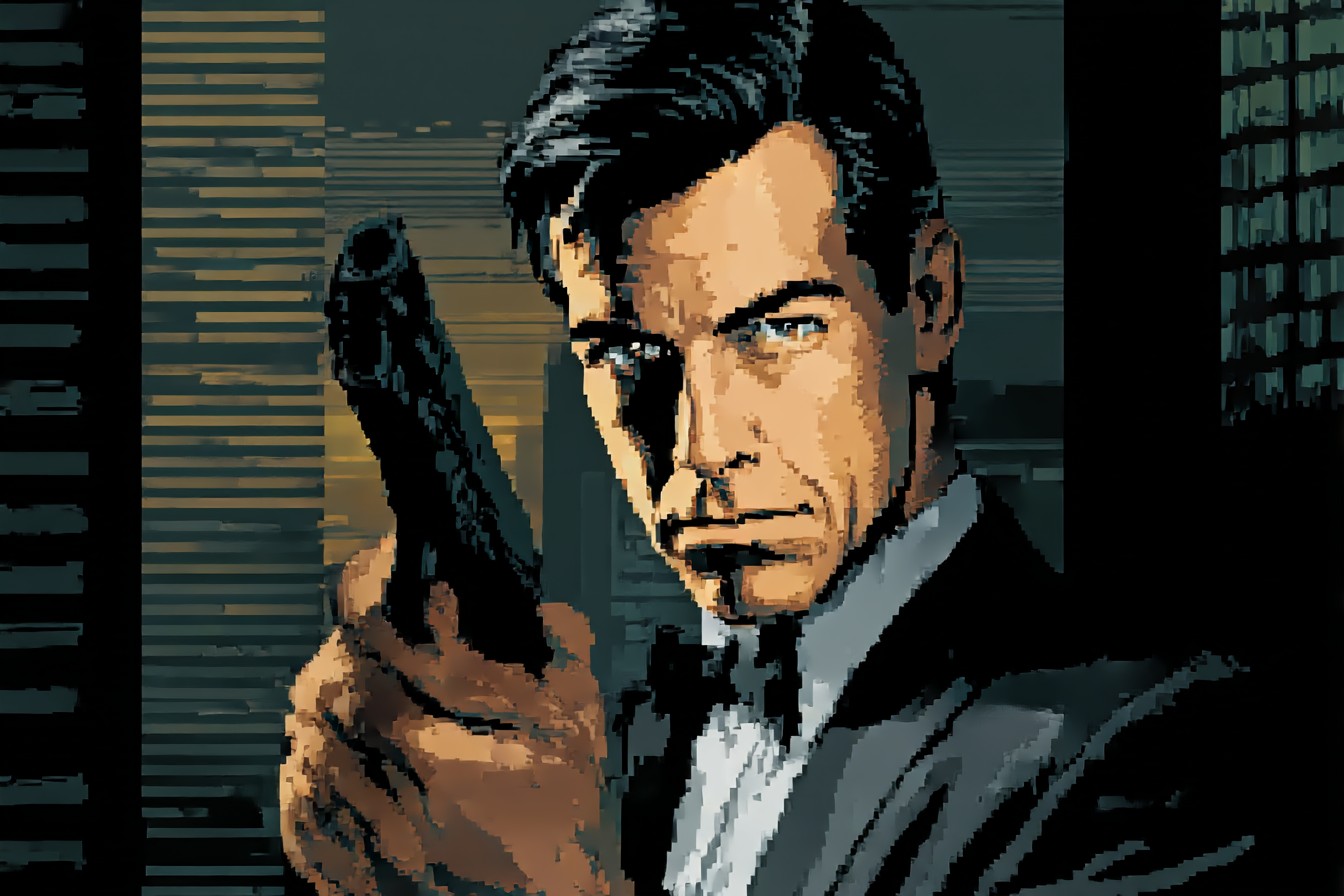
I still remember unwrapping that grey cartridge on a soggy November morning. The box art looked serious—Pierce Brosnan's face staring back with that cool secret agent confidence. But honestly? I was more excited about finally having a proper shooter on the N64. Up until then, we'd been making do with Mario and Zelda, which were brilliant, don't get me wrong, but sometimes you just wanted to run around shooting things with your mates.
The single-player campaign was decent enough. Following Bond through those chunky, pixelated environments felt like being inside a slightly janky action movie. The graphics weren't exactly cutting-edge even then—everything had that distinctive N64 fog that made distant objects look like they were dissolving into mist. But there was something about controlling 007 himself, sneaking through Facility with that PP7 drawn, that made you feel genuinely cool.
Then we discovered the multiplayer. Oh man.
I can't overstate how revolutionary four-player split-screen felt back then. Remember, this was before Xbox Live, before decent internet speeds, before any of us had even heard the phrase "online gaming." If you wanted to play against other people, they had to be in the same room, breathing the same air, close enough to elbow when they screen-peeked (which everyone did, despite the constant protests).
The weapon selection system was pure genius. You'd scroll through this grid of firearms and gadgets, each with their own personality. The RCP-90 felt like you were wielding controlled chaos—that magazine held enough bullets to mow down half of Facility. The Golden Gun? One shot, one kill, but you'd better not miss because reloading took forever. And Oddjob's hat—I mean, come on. Throwing a bowler hat with deadly accuracy while your friend cursed your existence from across the sofa.
We developed our own house rules pretty quickly. No Oddjob was the big one—that little Korean henchman was basically cheating since his short height made him harder to hit. The arguments over this were legendary. Dave always wanted to play as him, claiming it was "strategic character selection," while the rest of us called it what it was: being a complete pain in the backside.
The maps became as familiar as our own bedrooms. Facility with its classic three-lane layout and that central hallway where proxy mines turned into death traps. Complex with its multilevel madness—you could spend entire matches just running circles, hunting each other through those grey corridors. Temple, with its ancient columns and multiple spawn points, perfect for games of hide-and-seek with rocket launchers. And who could forget Archives? Those narrow corridors and that central chamber where everything always descended into absolute chaos.
But here's what made GoldenEye special—it wasn't just about shooting. The game modes were incredibly creative for their time. "The Man with the Golden Gun" turned one player into a target with unlimited one-hit kills while everyone else hunted them down with basic pistols. "Slappers Only" removed all weapons and turned matches into ridiculous slap-fights that had us in stitches. "You Only Live Twice" added genuine tension to every encounter—suddenly, running around corners became a calculated risk.
The split-screen setup itself was part of the charm, even if it was technically a limitation. Your quarter of the screen wasn't huge, especially on the 32-inch CRT most of us were playing on. Everything looked a bit cramped, a bit pixelated, but somehow that made it more intimate. You could hear your opponent's controller clicking, see them lean forward during intense moments, catch them glancing at your section of screen (again, everyone did this).
Those controller battles were something else entirely. The N64 pad was weird—still is, honestly—with that three-pronged design that felt like holding a plastic trident. But for GoldenEye, it worked perfectly. The C-buttons for strafing, Z-trigger for aiming, that analog stick for smooth 360-degree movement that felt revolutionary after years of d-pad controls. We all developed our own grip techniques, ways of holding the controller that maximized speed and accuracy.
I spent countless hours perfecting my aim with the various weapons. The PP7 was reliable but boring. The Klobb was famously terrible—we used to joke that it couldn't hit water if you fell out of a boat. But give me a DD44 Dostovei or that gorgeous Phantom, and I could make some serious damage. The sound design helped enormously—each weapon had its own audio signature, from the subtle pop of silenced pistols to the thunderous boom of the Moonraker Laser.
Looking back, what strikes me most about GoldenEye was how it solved the fundamental problem of console first-person shooters. PC gamers had mouse and keyboard, which was obviously superior for aiming. But Rare figured out how to make analog stick aiming feel natural and responsive. The auto-aim helped, sure, but it wasn't so strong that skill didn't matter. Good players could still dominate through superior positioning, weapon knowledge, and map awareness.
The graphics might look primitive now—those blocky character models, the simple textures, the draw distance that made everything beyond twenty feet look like it was underwater. But at the time, it felt cutting-edge. We were seeing console shooting that actually worked, that felt smooth and responsive, that didn't make us pine for the arcade or PC versions.
And the replay value was endless. Even after we'd exhausted the standard multiplayer modes, we'd create our own challenges. Pistols at dawn in Facility. Rocket launcher battles in Complex where the goal was pure chaos rather than victory. Speed runs through the single-player levels, trying to beat each other's best times.
GoldenEye didn't just give us a great game—it gave us a template for how local multiplayer should work. It showed that split-screen gaming could be every bit as competitive and engaging as anything happening in arcades or on PCs. Most importantly, it proved that gaming was more fun as a social activity, something to share with friends rather than experience alone.
These days, I fire up GoldenEye on my Everdrive and feel that familiar rush of nostalgia. The game still plays well, though those graphics certainly show their age. But put four controllers in my hands, gather some mates around the television, and suddenly it's 1997 again. Same arguments, same laughter, same desperate attempts to explain why screen-peeking should definitely be banned this time.
Some revolutions happen quietly, one split screen at a time.



