I spent fifteen years in IT management understanding that recommendations need to be practical, not just theoretical. “Best” is meaningless without context. The best retro console for someone wanting to collect is different from the best for someone wanting to play. The best for someone on a budget is different from the best for someone who wants the authenticity of original hardware. Understanding which console to buy right now requires understanding what matters to you…
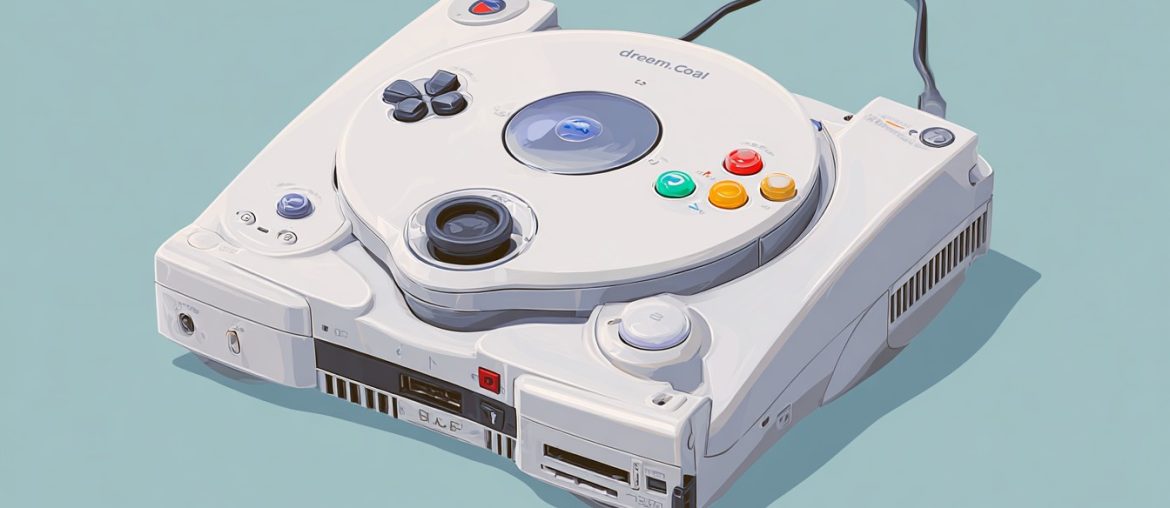
Here’s something I teach in my history classes – sometimes understanding why something failed teaches more than understanding why something succeeded. The Dreamcast’s failure is more instructive than its success because it proves that making excellent games isn’t enough to win console wars. Sega created a brilliant console, supported it with genuinely excellent software, built an online infrastructure years ahead of competitors, and still lost completely. Understanding why requires understanding that console dominance isn’t determined…
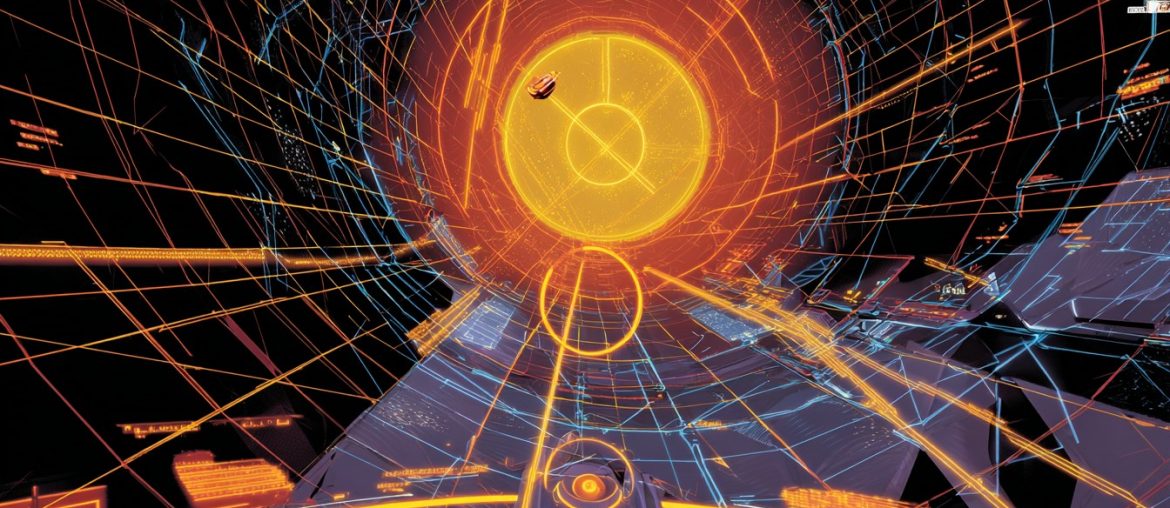
I spent fifteen years in IT management understanding that sometimes the best systems are the ones that embrace constraint rather than fighting it. Rez is a system that embraces its constraints – abstract visuals, minimal gameplay mechanics, heavy musical integration – and creates something that’s more engaging because of those constraints rather than despite them. Rez is a rail shooter in an abstract cyberspace environment. You’re flying through geometric shapes and fighting abstract enemies by…
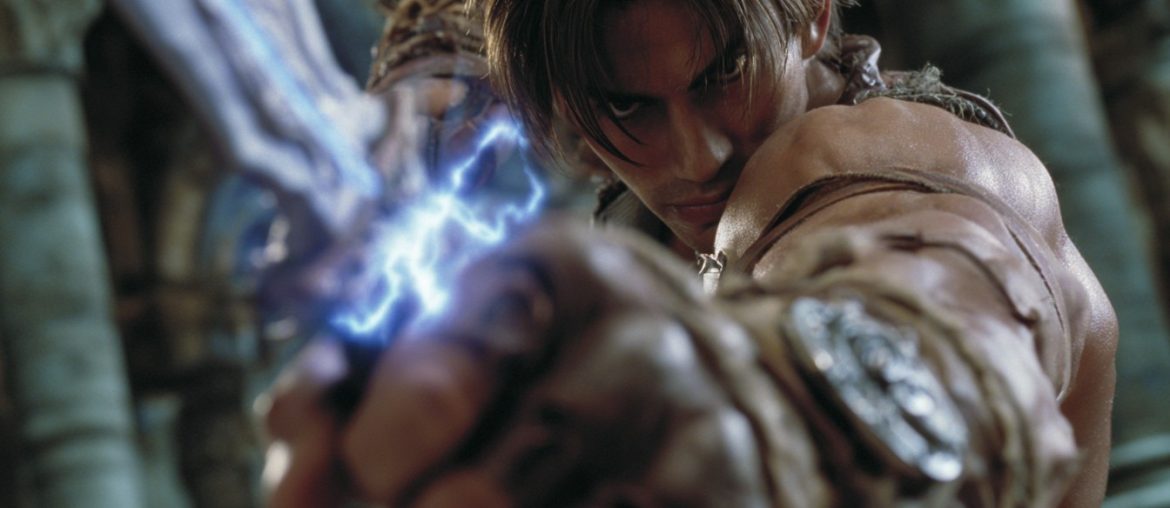
Phantasy Star Online is one of those games where the historical significance almost overshadows the actual gameplay experience. This is the game that proved online multiplayer could work on console hardware. Not online gaming in general – there had been network games before. But four players cooperatively playing an action RPG together in real-time on console? PSO proved that was possible and viable. From an accounting perspective, I appreciate systems that are elegant because they…
I’m not particularly interested in horror games – they’ve never been my thing. But I came to Resident Evil: Code Veronica completely fresh, expecting survival horror that was technically impressive but mechanically awkward. What I found was a genuinely well-designed game that proved survival horror could work on Dreamcast hardware just as well as PlayStation. Coming from construction, I understand something about how systems need to work within constraints. Code Veronica works within Dreamcast limitations…
I’ve watched enough ambitious projects fail to recognize when a developer is genuinely swinging for the fences. Sonic Adventure 2 is one of those swings. Sonic Team – the same people who made Sonic Adventure, which was decent but messy – looked at the response and said “okay, we’re going bigger, weirder, more ambitious.” The result is a game that’s flawed in very deliberate ways because it was trying something genuinely brave rather than playing…
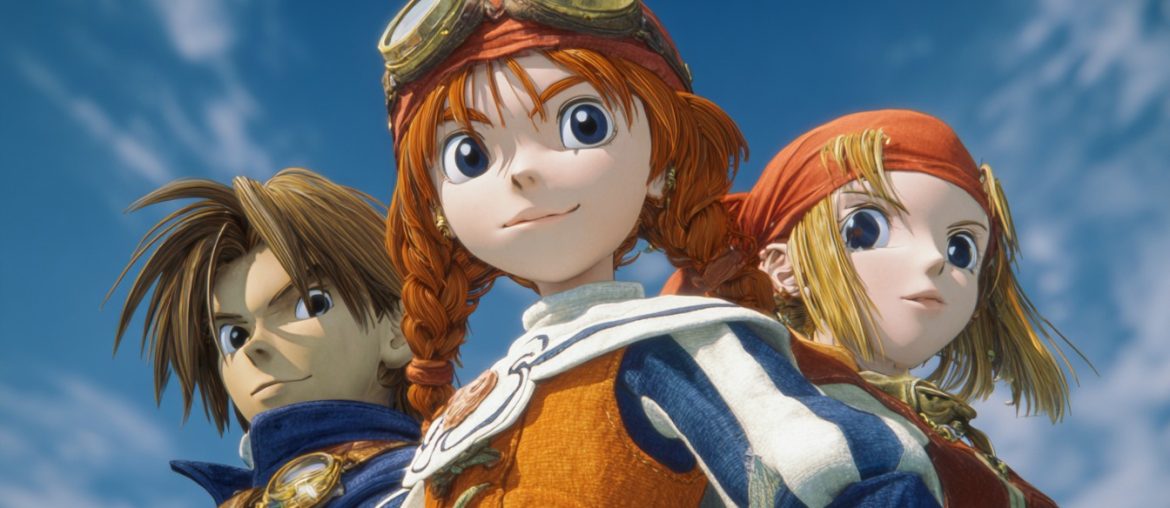
Skies of Arcadia is the game that made me realize something important about the console wars – success isn’t just about the best software. Sometimes the best software ships on the wrong hardware at the wrong time and nobody remembers it. PlayStation dominated the JRPG market because Final Fantasy VII and VIII and IX sold the console. But Sega released Skies of Arcadia on Dreamcast and proved they understood how to make JRPGs just as…
I’ve been analyzing fighting game balance since Street Fighter II in 1991, which means I understand when a fighting game is genuinely balanced versus when it just appears balanced. Soul Calibur on Dreamcast is legitimately balanced. Not “balanced for 1999,” not “balanced considering the hardware,” just genuinely balanced. Every character is viable. Every matchup is winnable. The frame data works. The physics work. Everything works. Coming from an accounting background, I appreciate systems that are…
I spent fifteen years in IT management learning to appreciate systems that are clever even when they seem impractical initially. Power Stone is that kind of fighting game – it looks like chaos, functions like brilliant design, and somehow manages to be both random and completely skill-based simultaneously. The fact that almost nobody remembers it proves something important about gaming – innovation doesn’t guarantee recognition, and underrated games often end up being more interesting than…
I came to Jet Grind Radio completely fresh – no nostalgia, no childhood memories, just a middle-aged construction foreman sitting down to a game about graffiti tagging in a colorful city. I expected charming but dated. What I got was a game that proved visual innovation could carry an entire experience if the artist understood what they were doing. Coming from construction, I understand something about design – the difference between solving a problem and…