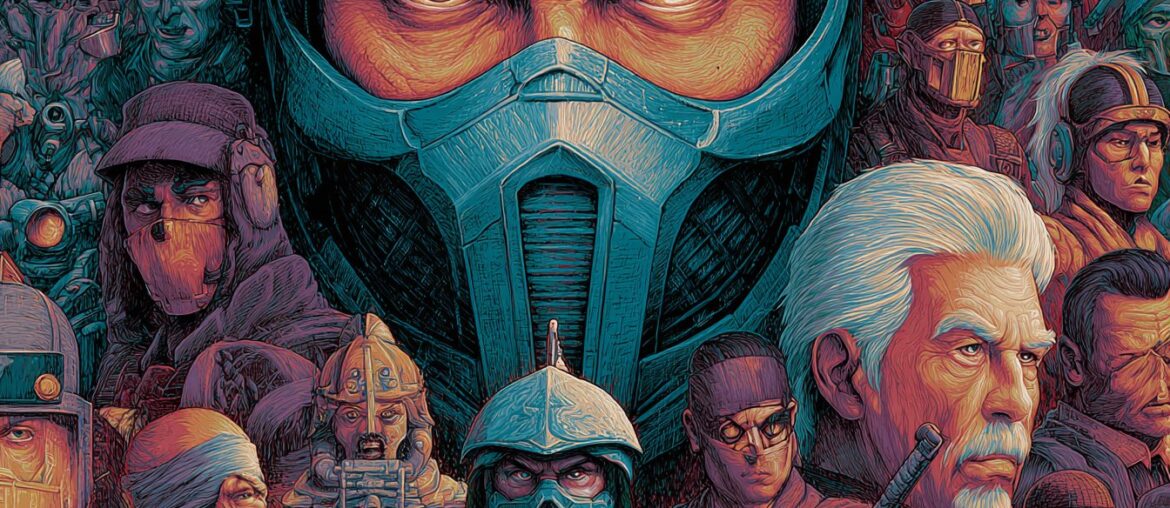
I’m here to give you my take on why Mortal Kombat II (MKII) didn’t just build upon the original – it completely destroyed every preconceived notion of what a fighting game should be. The first Mortal Kombat was certainly a major controversy maker in terms of gore and fatalities, but it was far from polished. MKII, developed by Midway (MK Wiki) and released in arcades in November 1993 (Wikipedia), took every aspect of the original…
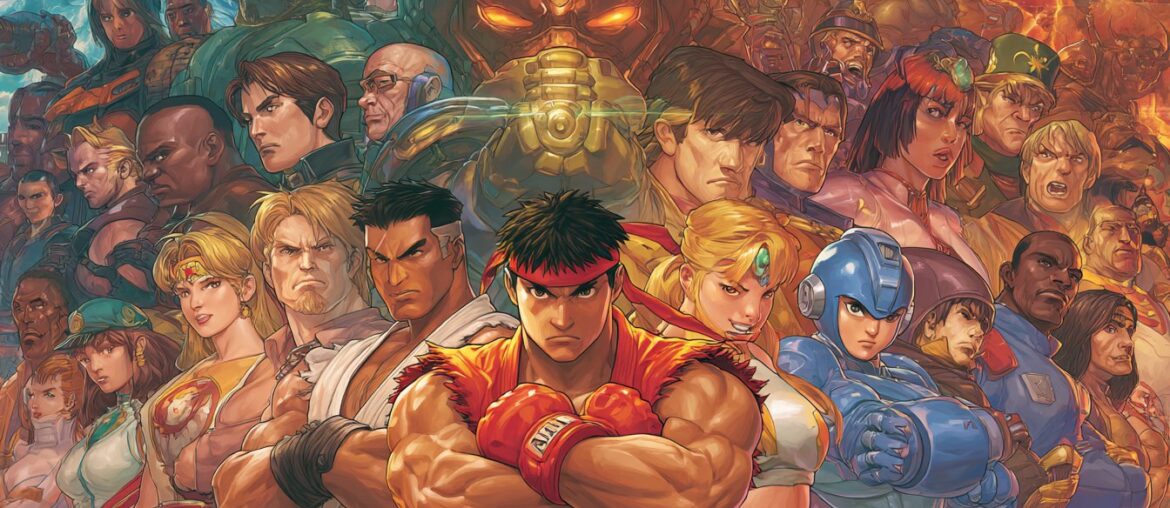
We all thought that making a list of the best fighting games of all time would be violent. Samuel was immediately spewing out frame data like some sort of holy scripture. Joe was passionately defending Sega’s 3D approach while also discrediting every single thing that Capcom has done since 1991. Marcus began calculating the frames of recovery from hits on his phone. Elena was demanding we recognise the superior design philosophy of SNK’s fighting games.…
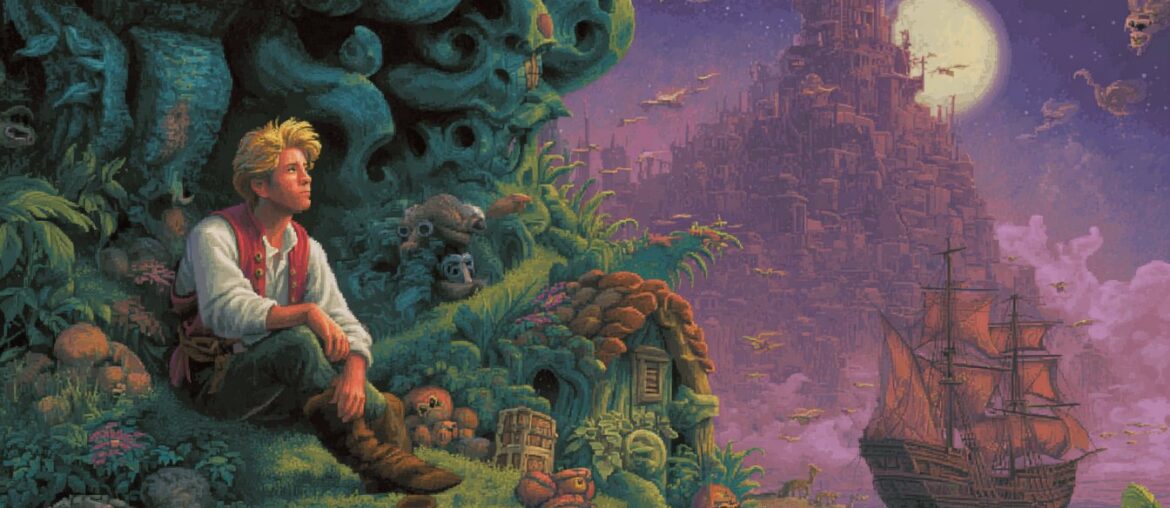
If you just want the answer, the best Monkey Island game is Monkey Island 2: LeChuck’s Revenge. The Secret of Monkey Island comes a very close second, The Curse of Monkey Island takes third, and Escape from Monkey Island props up the bottom. Getting to that order, though? That nearly ended a friendship. The full list, best to worst, is below, along with why each game landed where it did. Quick Rankings 1. Monkey Island…
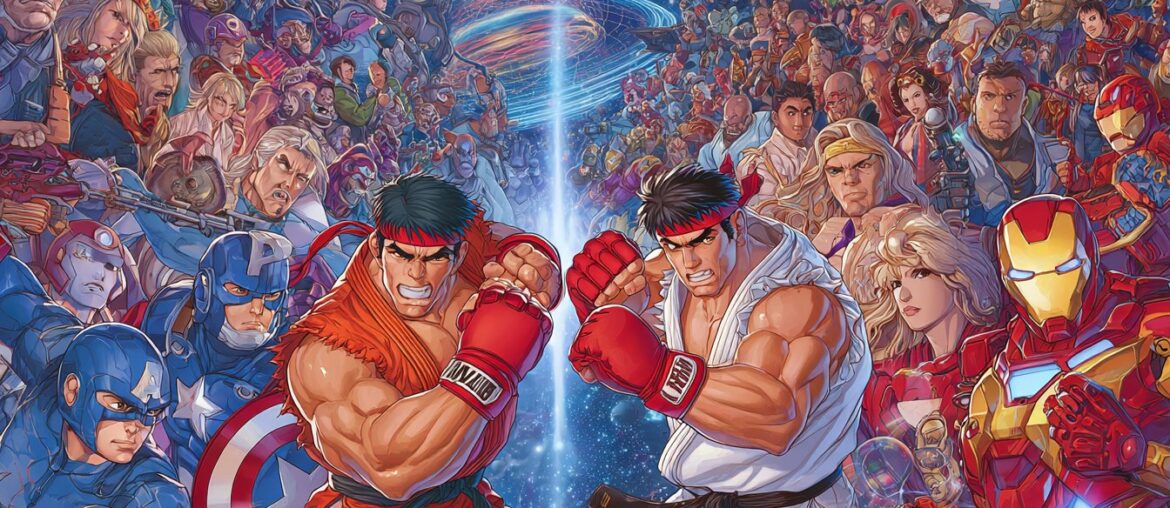
I am Samuel, and I need to put an end to a debate that has bothered me since the last time we spoke on team calls. Tim is saying that Marvel vs Capcom games are better now due to their “improved balance” and “more accessible controls”. Tim, you are missing the whole point. While the original Marvel vs Capcom may be the core of the franchise, it is also the most direct example of how…
Release Date: December 17, 1988 (Japan) | Developer: Square | Platform: Famicom / NES (8-bit cartridge) | ROM Size: ~512 KiB ROM; password-based save | Playtime: Main story 25–35 hours, Main + extras ~40 hours, Completionist 50+ hours | Sales: 500K–700K (Japan), 1M+ worldwide (original + ports) | Critical Reception: 35/40 (Famitsu/Famicom Tsūshin, 1988), 75–80/100 (Modern retrospectives), 85/100 (PSP/Pixel Remaster with QoL updates) When most people talk about console wars, I get … historical. They’re…
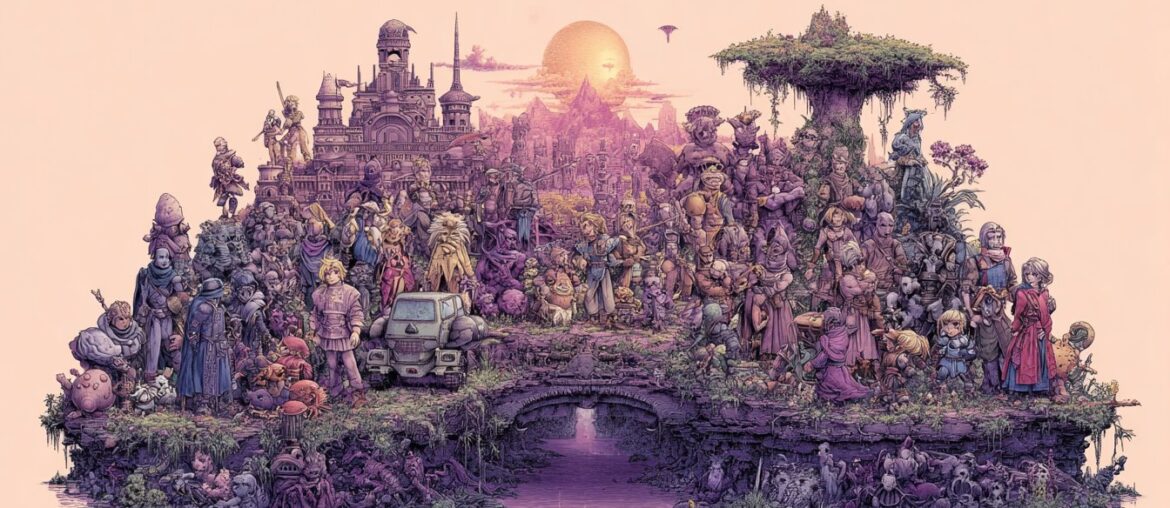
Release Date: December 6, 1992 (Japan) | Developer: Square | Platform: Super Famicom/SNES (16-bit cartridge) | ROM Size: 8 Megabits (1 MB total ROM) | Playtime: Main story 30–35 hours, Main + extras ~50 hours, Completionist 100+ hours | Sales: 2.07M (Japan), 2.5M+ worldwide (original + ports) | Critical Reception: 34/40 (Famitsu, 1992), Metacritic 86/100 (Pixel Remaster), ~87/100 (GBA Advance) I didn’t get into retro gaming until I was forty years old. I had no…
Release Date: December 18, 1987 (Japan) / July 12, 1990 (NA) | Developer: Square | Platform: Famicom / NES (8-bit cartridge) | ROM Size: 384 KiB PRG-ROM + 256 KiB CHR-ROM (640 KiB total); password save system | Playtime: Main story 17–25 hours, Main + extras 30–40 hours, Completionist 50+ hours | Sales: 1.3M+ (Japan), 700K (NA/EU), 2M+ worldwide | Critical Reception: 32/40 (Famitsu, 1988), 8/10 (EGM/GamePro), Metacritic 85/100 (Pixel Remaster) — Nobody working on…
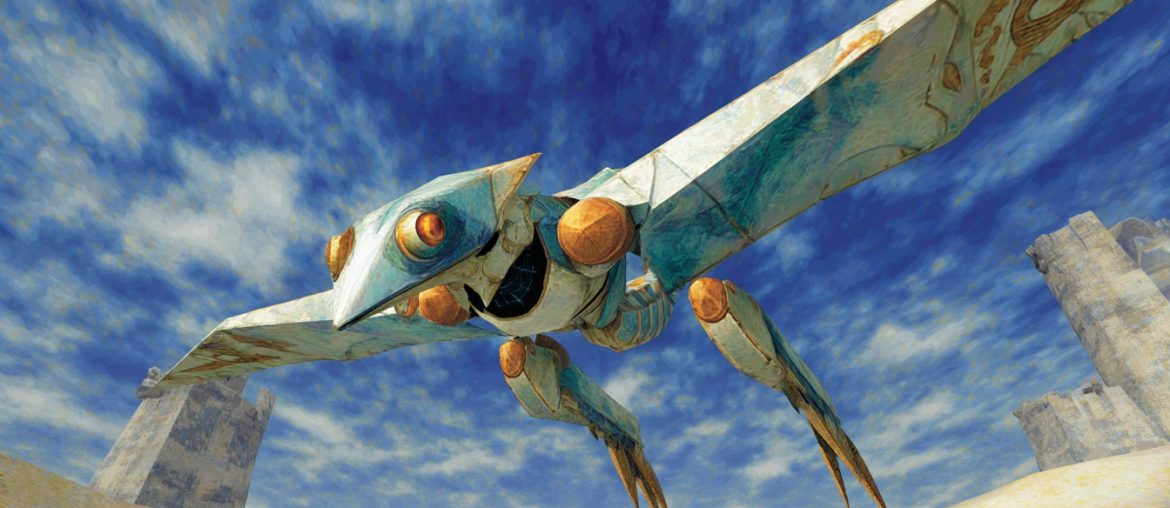
I spent fifteen years in IT management understanding that sometimes the best systems are the ones that maintain core philosophy while evolving technically. Panzer Dragoon Orta is exactly that kind of game. It’s a rail shooter – you’re on a dragon flying through predetermined paths shooting enemies. The fundamental design is pure arcade – you can’t deviate from your path, you just shoot things that appear. But the execution is sophisticated enough that the simple…
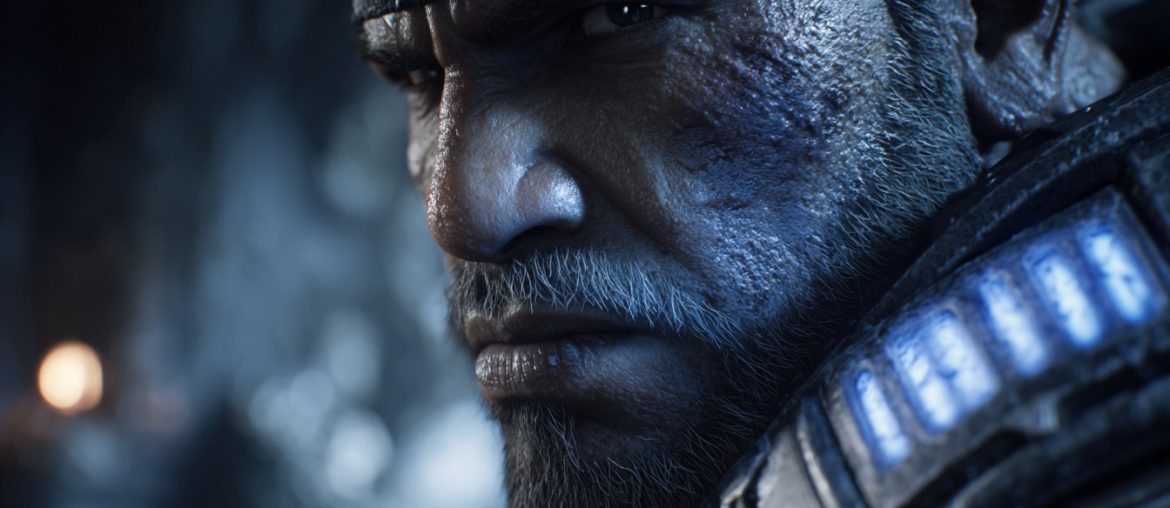
I’ve been analyzing game mechanics since the arcade era, which means I understand when a simple idea executed brilliantly creates a new genre. Gears of War’s cover mechanics are deceptively simple – you press a button to take cover behind objects and peek out to shoot. But that simplicity, executed with technical precision, created something revolutionary. The cover system became industry standard because it solved the core problem of third-person shooting – how to balance…
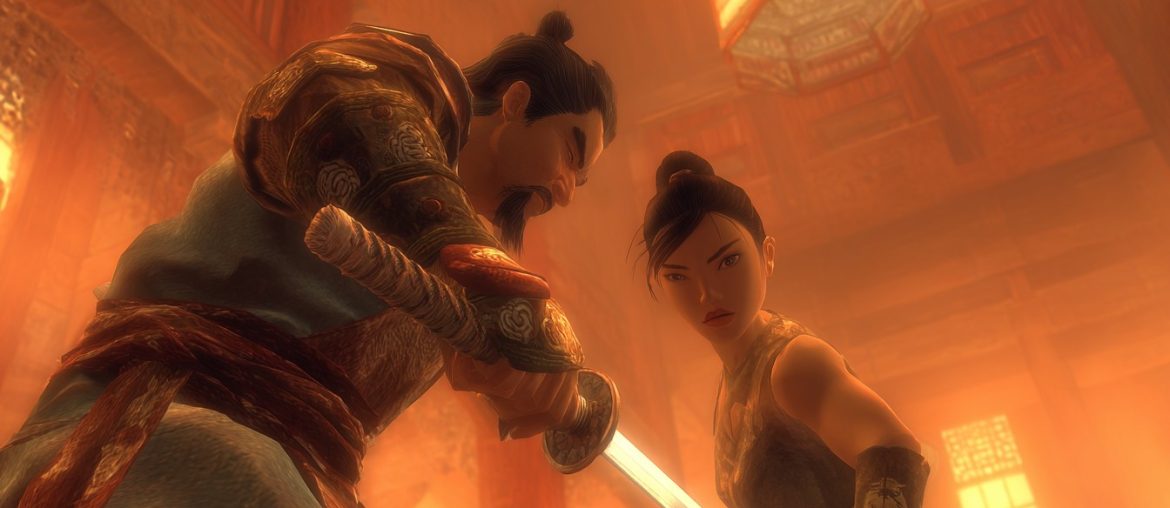
I came to Jade Empire expecting a competent action RPG set in an Asian-inspired world. What I found was a game that completely understands how to integrate real-time combat with RPG progression and storytelling. Coming from construction, I appreciate systems that solve specific problems elegantly. Jade Empire’s action system is elegant – it’s real-time but tactical, demanding skill without requiring frame-perfect execution. You’re a martial artist in a mythical Asian-inspired world called the Jade Empire.…