Category

90s Video Games

Category

Phantasy Star Online is one of those games where the historical significance almost overshadows the actual gameplay experience. This is the game that proved online multiplayer could work on console hardware. Not online gaming in general – there had been network games before. But four players cooperatively playing an action RPG together in real-time on console? PSO proved that was possible and viable. From an accounting perspective, I appreciate systems that are elegant because they…
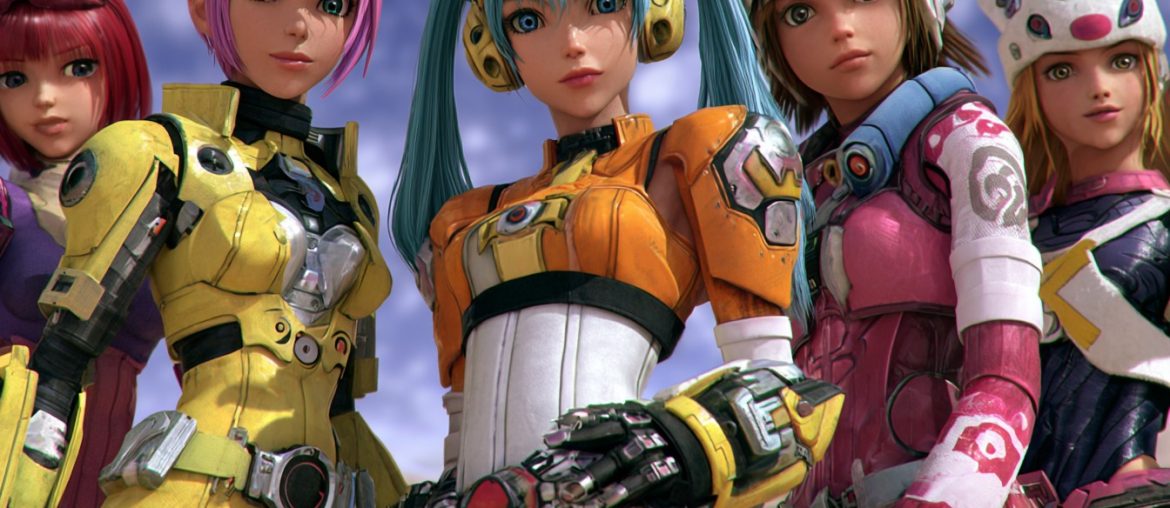
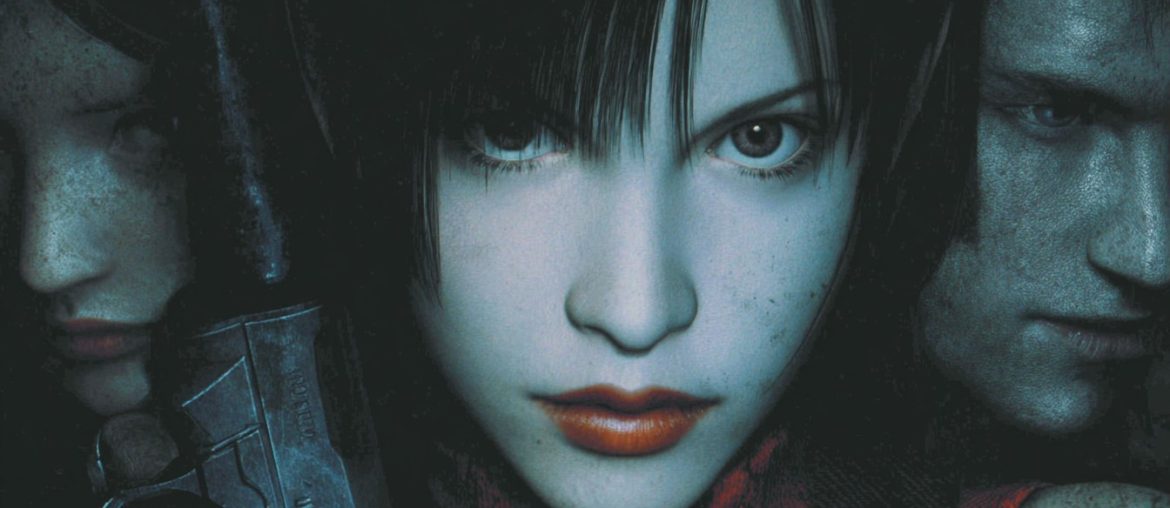
I’m not particularly interested in horror games – they’ve never been my thing. But I came to Resident Evil: Code Veronica completely fresh, expecting survival horror that was technically impressive but mechanically awkward. What I found was a genuinely well-designed game that proved survival horror could work on Dreamcast hardware just as well as PlayStation. Coming from construction, I understand something about how systems need to work within constraints. Code Veronica works within Dreamcast limitations…

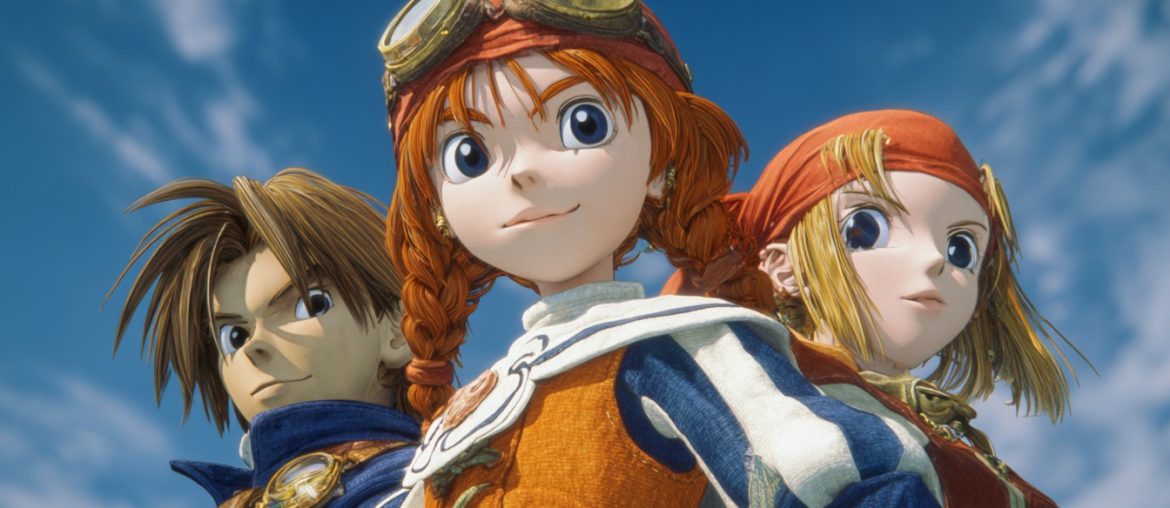
Skies of Arcadia is the game that made me realize something important about the console wars – success isn’t just about the best software. Sometimes the best software ships on the wrong hardware at the wrong time and nobody remembers it. PlayStation dominated the JRPG market because Final Fantasy VII and VIII and IX sold the console. But Sega released Skies of Arcadia on Dreamcast and proved they understood how to make JRPGs just as…

I’ve been analyzing fighting game balance since Street Fighter II in 1991, which means I understand when a fighting game is genuinely balanced versus when it just appears balanced. Soul Calibur on Dreamcast is legitimately balanced. Not “balanced for 1999,” not “balanced considering the hardware,” just genuinely balanced. Every character is viable. Every matchup is winnable. The frame data works. The physics work. Everything works. Coming from an accounting background, I appreciate systems that are…

Here’s something people forget about arcade-to-home conversions – they used to be terrible. You’d get watered-down versions with missing features, reduced enemy counts, simplified graphics. There was this assumption that home hardware couldn’t handle what arcades could do. Then Sega decided to prove everyone wrong by bringing Crazy Taxi to Dreamcast essentially perfectly. I spent enough time defending Sega’s arcade approach to understand something about their philosophy – the arcade cabinet wasn’t just a revenue…

Look, we need to address something immediately – the Dreamcast failed. Commercially, spectacularly, catastrophically failed. Sega released a brilliant console with incredible games at exactly the wrong moment in history. The PlayStation was already entrenched. The PS2 was coming with DVD capability that the Dreamcast didn’t have. The industry had already decided Dreamcast wouldn’t survive, and they were right. By March 2001, Sega had stopped making consoles entirely. But here’s the thing that makes the…

Back in ’94, I was still primarily an Amiga lad, but I’d managed to convince my parents to get me a Mega Drive the year before – had to have Streets of Rage 2, didn’t I? Most of my mates were still on their Spectrums or C64s, but a few had made the jump to Sega’s 16-bit machine. The thing about console gaming in the UK then was that we were always a bit behind…

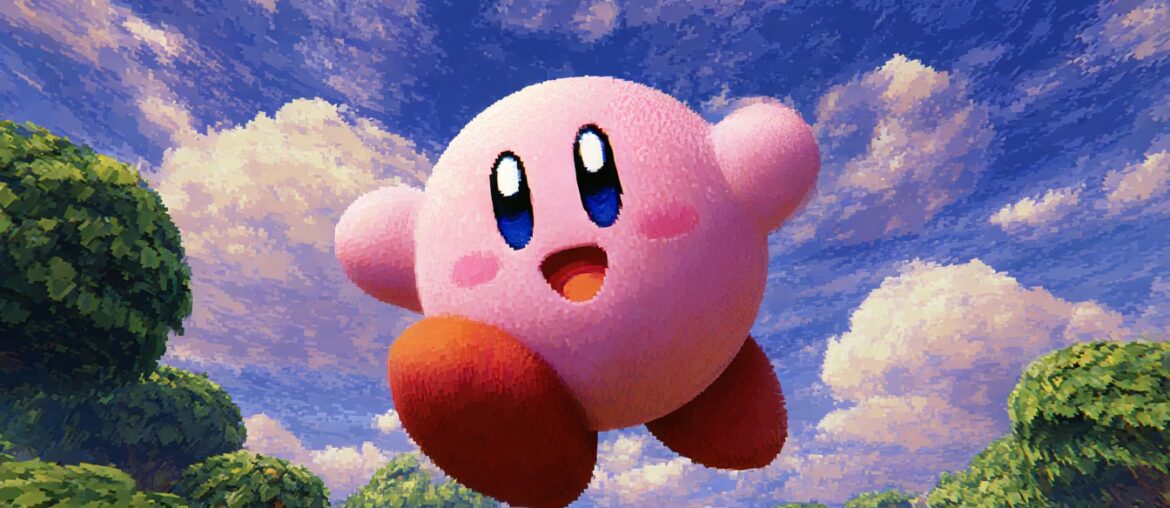
I’ve been gaming long enough to recognize a pattern – games that are immediately beloved become sacred, and games that are quietly good get forgotten. Kirby 64: The Crystal Shards is the second type. It shipped late in the N64’s lifecycle. It came out in the shadow of Majora’s Mask and Paper Mario. Nobody was talking about it. So it just disappeared. Then I replayed it recently and realized something – this is a masterclass…

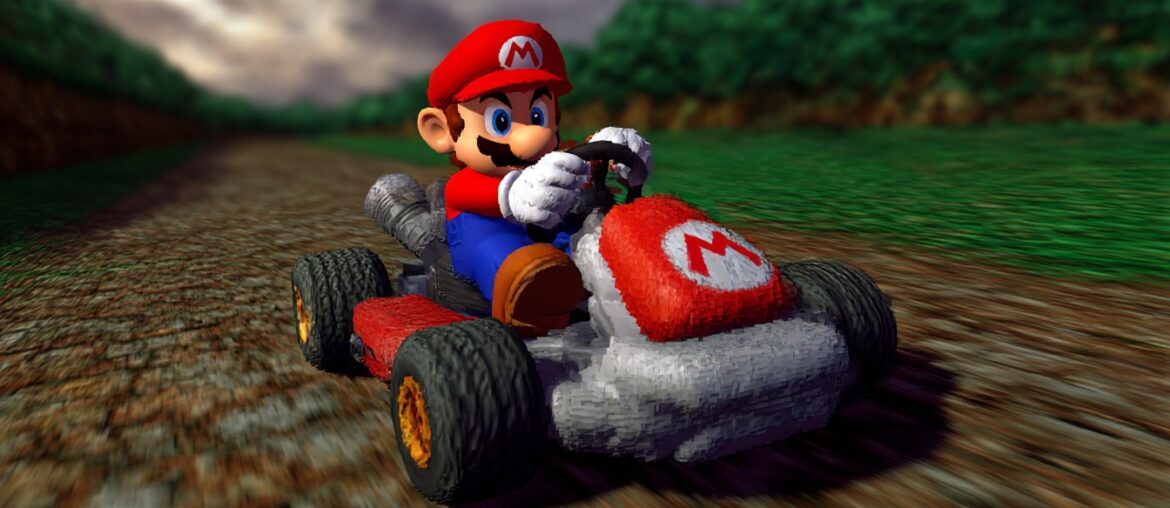
I’ve been analyzing game balance since the 16-bit era, and Mario Kart 64 sits in this weird position where casual players dismiss it as dated and technically competent players dismiss it for being less refined than later entries. Both groups miss something crucial – the item balance in Mario Kart 64 is genuinely inspired. Not because it’s perfect, but because it’s perfect for what the game is trying to do. My background in accounting means…

Here’s a historical fact that people forget – on-rails shooters were basically dead by 1997. The arcade versions had been popular, sure, but home gaming had moved on to free-roaming games where you controlled every aspect of movement. The idea that you could release a game where your path is predetermined, where your only real agency is aiming and shooting, and that game would be brilliant – that goes against basically every design principle games…