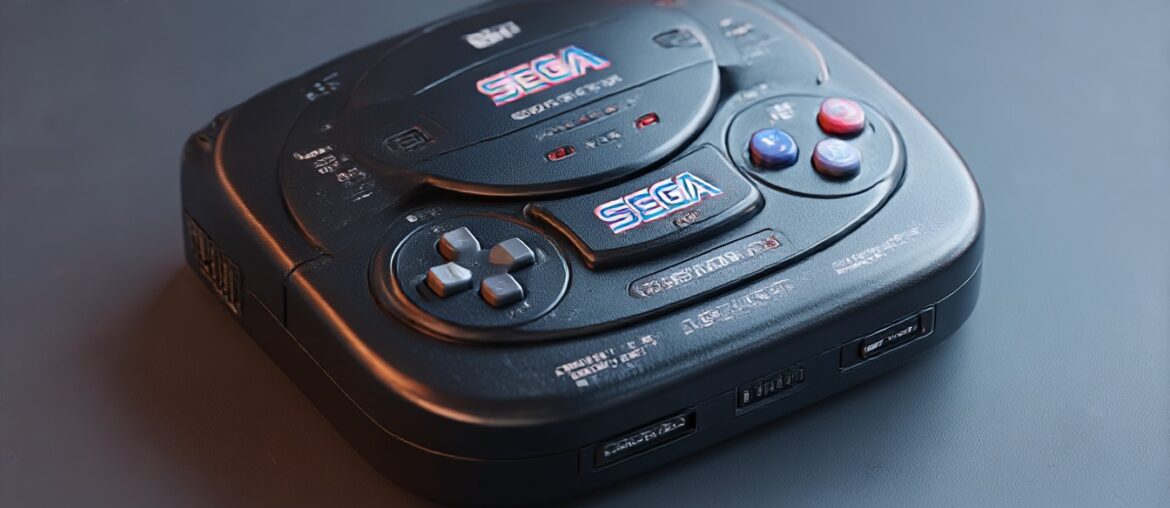
Picture this: I'm rifling through a car boot sale last autumn, knee-deep in someone's gaming collection, when I spot it—a pristine Mega Drive 2 sitting in a cardboard box like it's been waiting for me specifically. The seller wanted fifteen quid for it, which felt like highway robbery until I plugged it in at home and remembered why Sega's second swing at their 16-bit masterpiece was, in many ways, better than the original.The Genesis 2—or…
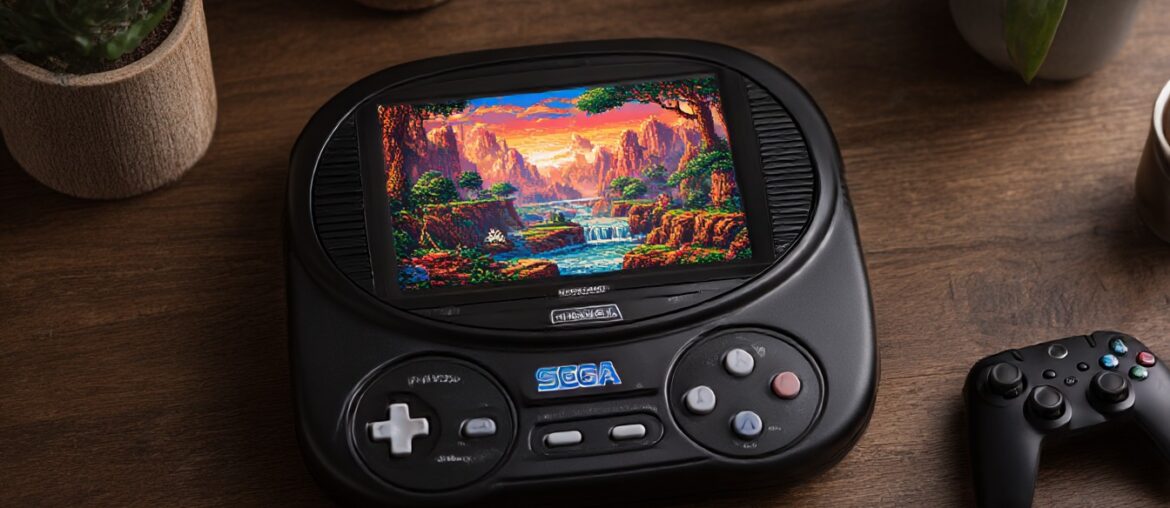
My mate Dave called me yesterday asking about "blast processing," and I had to laugh. Not at him, mind you—but at the memory of teenage me parroting that marketing phrase like it was technical scripture. Course, back then I couldn't tell you what processing actually meant beyond "makes Sonic go fast," but bloody hell did it sound impressive when you were trying to convince your SNES-owning mates that your Mega Drive was the superior machine.The…
My shame about being a bit behind the times on The Legend of Zelda is a bit justified; many people have fond memories of exploring Hyrule as children. I did not begin playing Zelda until I was over 40 years old. For months, my daughter requested that I play A Link to the Past on her Super Nintendo and I refused to play it because I simply assumed it was kids’ stuff. What a huge…
Release Date: December 6, 1992 (Japan) | Developer: Square | Platform: Super Famicom/SNES (16-bit cartridge) | ROM Size: 8 Megabits (1 MB total ROM) | Playtime: Main story 30–35 hours, Main + extras ~50 hours, Completionist 100+ hours | Sales: 2.07M (Japan), 2.5M+ worldwide (original + ports) | Critical Reception: 34/40 (Famitsu, 1992), Metacritic 86/100 (Pixel Remaster), ~87/100 (GBA Advance) I didn’t get into retro gaming until I was forty years old. I had no…
Release Date: December 18, 1987 (Japan) / July 12, 1990 (NA) | Developer: Square | Platform: Famicom / NES (8-bit cartridge) | ROM Size: 384 KiB PRG-ROM + 256 KiB CHR-ROM (640 KiB total); password save system | Playtime: Main story 17–25 hours, Main + extras 30–40 hours, Completionist 50+ hours | Sales: 1.3M+ (Japan), 700K (NA/EU), 2M+ worldwide | Critical Reception: 32/40 (Famitsu, 1988), 8/10 (EGM/GamePro), Metacritic 85/100 (Pixel Remaster) — Nobody working on…
The Subscription Model That Proved Worse Than What It Replaced I’m a forty-something construction foreman who only got into gaming at age 40. I have zero rose tinted glasses about older gaming generations. I repair old NES consoles as a hobby because I like knowing how to fix things and understand the concept of ownership. That cart STILL works from 1985. You OWN it. You can play it whenever you want for the rest of…
The best 80s and 90s consoles fundamentally shaped modern gaming. The NES sold 61.9 million units and invented home console standards. The PlayStation moved 102.5 million units and launched the disc-based era. The Game Boy achieved 118 million sales and proved handhelds could dominate. These systems competed fiercely, innovated relentlessly, and created the gaming industry we know today. This ranking evaluates the best 80s and 90s consoles by lifetime sales, cultural impact, technical innovation, and…
I’ve been analyzing game mechanics since the arcade era, which means I understand when a simple idea executed brilliantly creates a new genre. Gears of War’s cover mechanics are deceptively simple – you press a button to take cover behind objects and peek out to shoot. But that simplicity, executed with technical precision, created something revolutionary. The cover system became industry standard because it solved the core problem of third-person shooting – how to balance…
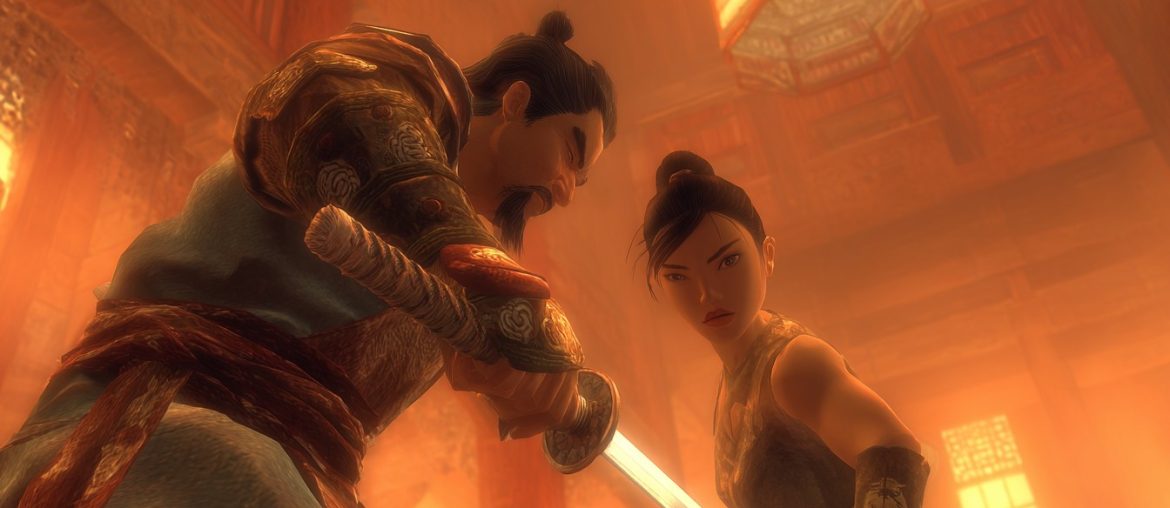
I came to Jade Empire expecting a competent action RPG set in an Asian-inspired world. What I found was a game that completely understands how to integrate real-time combat with RPG progression and storytelling. Coming from construction, I appreciate systems that solve specific problems elegantly. Jade Empire’s action system is elegant – it’s real-time but tactical, demanding skill without requiring frame-perfect execution. You’re a martial artist in a mythical Asian-inspired world called the Jade Empire.…
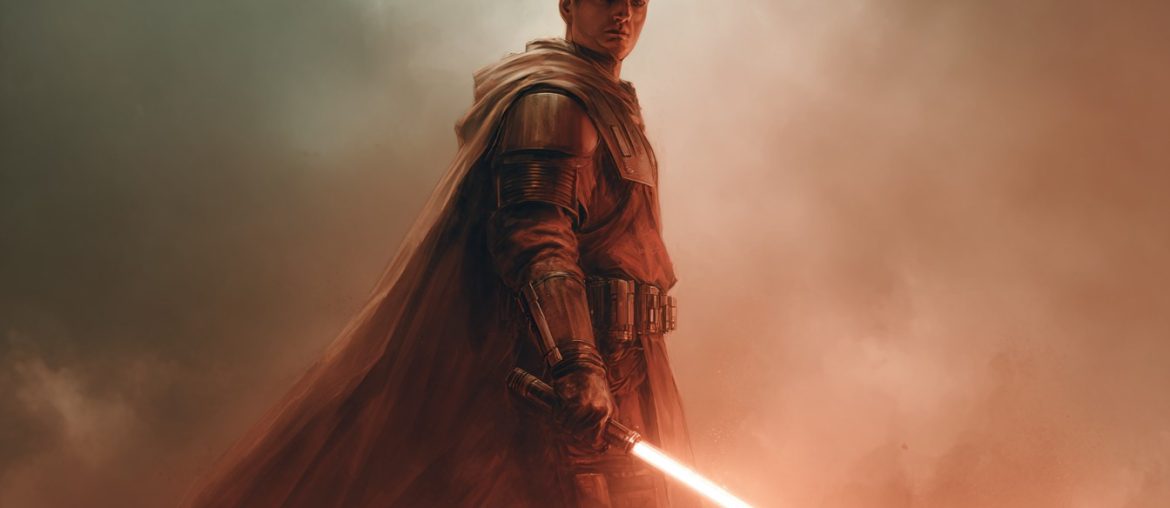
Here’s something I teach in my history classes – sometimes the best adaptations of existing franchises come from developers who aren’t afraid to ignore the source material’s most famous characters. Knights of the Old Republic proves this perfectly. BioWare made a Star Wars game that’s excellent not because it leverages Luke Skywalker or Darth Vader, but because it creates genuinely compelling original characters and tells a story that respects player agency through moral choice. Before…