My mate Dave rang me last Tuesday, absolutely chuffing over some N64 console he'd found in his nan's attic. "Still got the box," he says, like he'd uncovered the Ark of the Covenant. Thing is, he wasn't wrong to get excited—that grey brick from 1996 can be worth proper money these days, depending on what you've got and how well you've treated it.
I've been tracking N64 prices for years now, partly because I'm nosy and partly because my collection needed insurance valuations after the great flood of 2019. Don't ask. Anyway, the short answer to "what's it worth?" is somewhere between "enough for a decent curry" and "enough to make your missus question your life choices when you tell her what you just spent on eBay."
A bog-standard N64 console on its own—just the unit, no controllers, no cables, no games—you're looking at £40 to £80 on the second-hand market. That's assuming it works, mind you. I've seen knackered ones going for £20, but unless you're handy with a soldering iron and have time to kill, avoid those like expired milk. The console needs to fire up, display a picture, and read cartridges without throwing a wobbler. Basic stuff, really.
Condition matters more than you'd think. I picked up what the seller called "excellent condition" last year, and when it arrived, the thing looked like it had been used as a football. Scuffed plastic, wobbly cartridge slot, and that telltale yellow tinge that screams "I lived next to a chain smoker for two decades." Still worked perfectly, mind you—those things are built like tanks—but it knocked about £15 off what I might've paid for a mint example.
Controllers are where things get interesting. An original grey controller in decent nick will set you back £15 to £25. But here's the thing about N64 controllers: they're all knackered. Every single one. That analog stick? It's looser than… well, use your imagination. Finding one with a tight stick is like finding a unicorn that does your taxes. I've got six controllers, and exactly none of them can make Mario walk in a straight line without me wrestling the thing like I'm defusing a bomb.
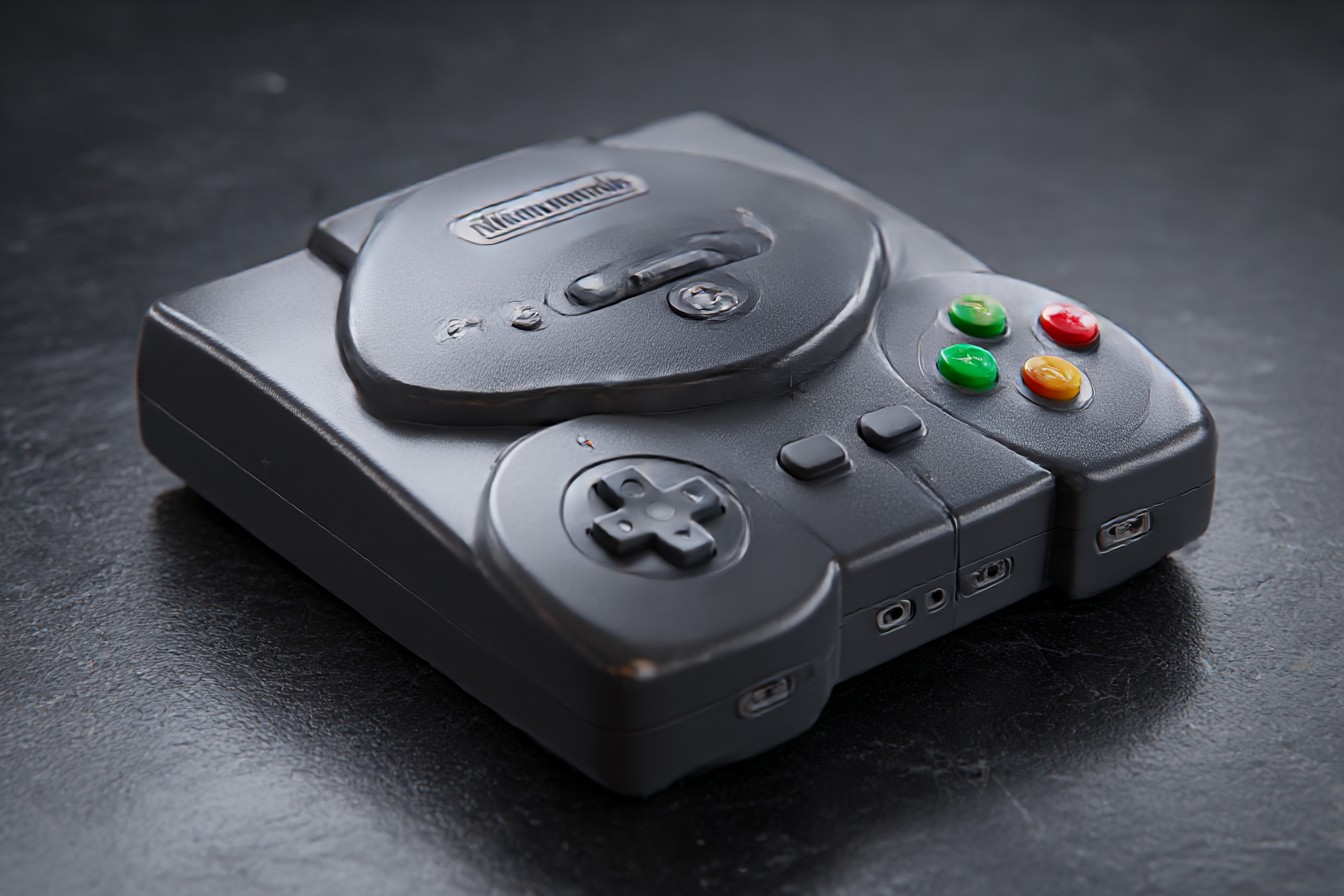
You can get third-party sticks, replacement gears, all sorts of aftermarket bits to fix them up. Brawler64 controllers are brilliant if you don't mind the purists giving you grief. But if you want that authentic N64 experience—including the thumb blisters from Mario Party—original gear is the only way.
The expansion pak is where collectors start getting their wallets out. That little red cartridge that plugged into the front? Essential for Donkey Kong 64, Perfect Dark, Majora's Mask—basically anything that made the N64 worth owning in its final years. On its own, you're looking at £25 to £40 for a genuine one. The standard Jumper Pak that came with the console originally is worth about as much as a chocolate teapot, but you need something in that slot or nothing works.
Boxed consoles are where things get properly mental. Complete in box—and I mean properly complete, with all the polystyrene inserts, manual, even those little cardboard tabs that nobody kept—can fetch £150 to £300 depending on condition. I saw a pristine Pikachu N64 go for £400 last month. Course, that was a special edition, but still. Makes you wonder what happened to all those boxes our mums threw out in the great bedroom clear-outs of 2003.
Speaking of special editions, they're worth keeping an eye on. The Funtastic series—those transparent consoles in ice blue, grape purple, fire orange—they command a premium. Jungle Green goes for silly money because apparently everyone wanted the boring grey one when they were new. Typical. The Pokemon editions, the Pikachu one especially, are collector gold. Even the controller pak accessories in matching colors are worth a few quid to the right buyer.
Regional differences matter too. The Japanese market got some lovely variations we never saw over here. PAL vs NTSC makes a difference for serious collectors, though for most of us, it's about what games you want to play rather than investment potential. I've got a Japanese console purely because I wanted to play Sin and Punishment without waiting twenty years for a proper release.
Games obviously affect the total value, but that's a whole other conversation. Still, if you're flogging a complete system, chuck in a copy of Mario 64 and GoldenEye, and suddenly you're selling an "experience" rather than just hardware. Psychology, innit? Though honestly, if you've got original GoldenEye, Ocarina of Time, or any of the rarer stuff like Conker's or Paper Mario, you might want to price those separately. They're worth more than the console half the time.
The market's been all over the place lately. COVID sent retro prices through the roof—everyone stuck at home, reliving their childhoods, throwing money at anything that reminded them of simpler times. Things have settled a bit now, but quality examples still hold their value well. The N64's got that sweet spot appeal: old enough to be properly retro, new enough that the graphics don't make young eyes bleed.
My advice? If you're selling, be honest about condition and include decent photos. Clean the thing first—amazing how much better something looks with a bit of isopropyl alcohol and cotton buds. If you're buying, factor in the cost of controllers that actually work and maybe a decent third-party power supply. Those original adapters are getting on a bit.
The N64's value isn't just monetary, though. It's the console that taught a generation how to move in 3D space, how to Z-target, how to navigate Hyrule Field by sound alone. That's worth more than any eBay listing, but it won't pay for your next console purchase. Still, knowing what you've got helps, especially when insurance companies start asking awkward questions about your "hobby equipment."



