My mate Dave called me mental for keeping a working Mega Drive plugged into my old CRT, but honestly? He just doesn't get it. Last weekend I was digging through my collection—you know the drill, plastic cases stacked like wonky dominoes behind the telly—and I stumbled across something that made me proper nostalgic. Warriors of the Eternal Sun, still sitting there in its battered case, the manual pages yellowed like old tea bags.
See, here's the thing about D&D games on the Genesis that most people forget. They weren't trying to be Baldur's Gate twenty years early. They were doing something completely different—taking these massive tabletop adventures and cramming them into cartridge-sized chunks that you could actually finish on a weekend. No save states back then, obviously. Just pure bloody-minded persistence and maybe a notebook if you were feeling fancy.
I remember getting my first taste with Advanced Dungeons & Dragons: Warriors of the Eternal Sun back in '92. Bought it from Electronics Boutique—remember those shops? Walls lined with big boxes that looked like they contained actual treasure. The bloke behind the counter wore a Star Trek pin and knew everything about every game. Proper expertise, not just someone reading from a spec sheet.
Warriors hit different from anything I'd played before. Sure, it looked a bit rough around the edges—the character sprites were chunky even by Genesis standards—but there was something magical about rolling up a proper party. Fighter, cleric, magic-user, thief. The holy quartet of dungeon crawling, right there on my bedroom carpet while mum shouted about dinner getting cold downstairs.
What really got me hooked was the complexity hiding behind that simple interface. You'd think a 16-bit RPG would be all surface-level stuff, but no. This thing had proper spell components, equipment weight that actually mattered, and combat that required actual tactics. None of this button-mashing nonsense. You had to think, plan your moves like you were playing chess with kobolds.
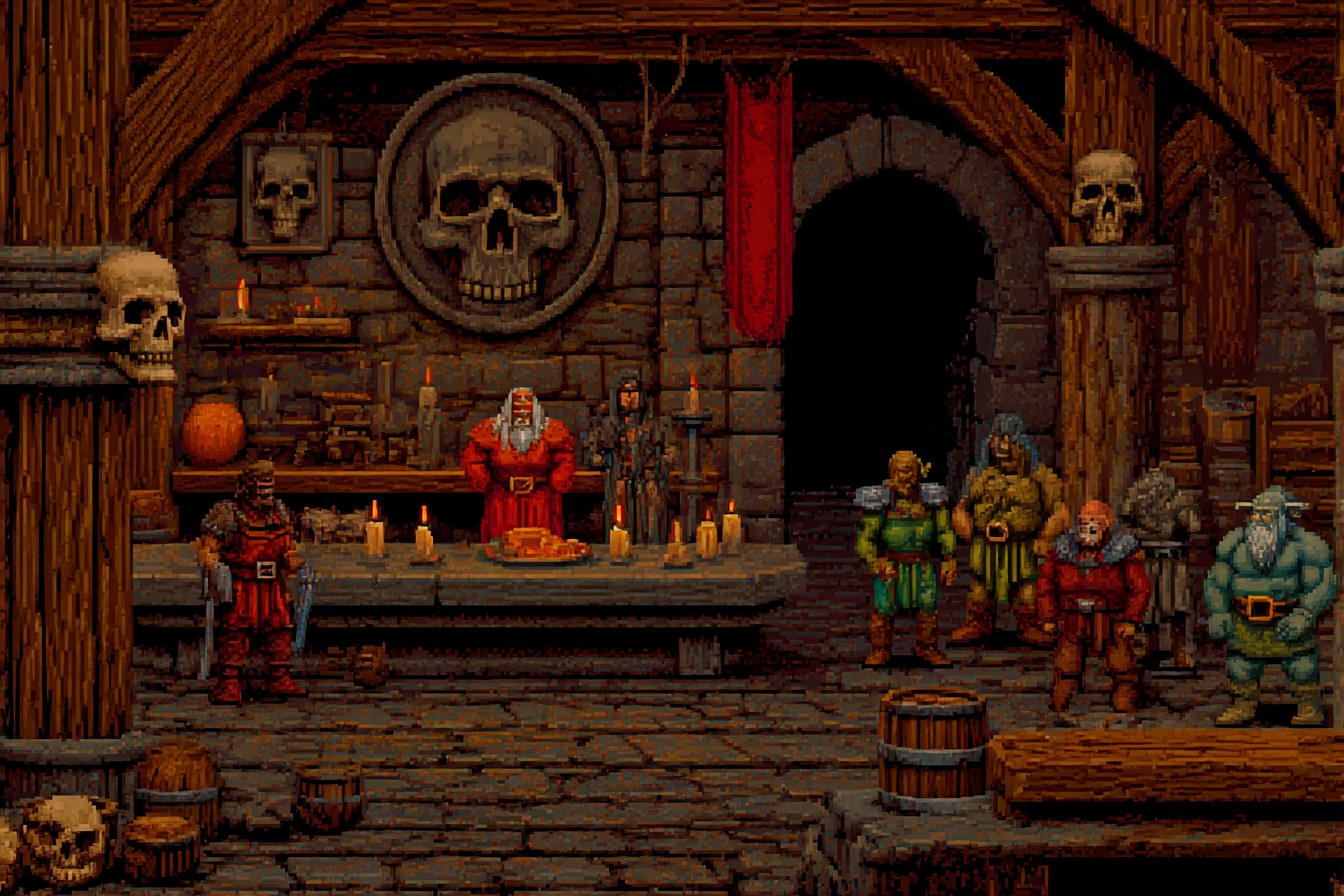
The sound design deserves a mention too. That Genesis sound chip—the YM2612—it had this particular way of making medieval fantasy sound properly epic. The dungeon themes were all moody synthesizer work that somehow captured the feel of torchlit corridors and echoing footsteps. Even today, when I fire up the old hardware, those audio cues transport me straight back to Saturday afternoons spent mapping out underground mazes on graph paper.
Then there was Dark Sun: Shattered Lands. Now that was a proper epic. Based on TSR's desert campaign setting, which was already pretty niche in tabletop terms, but somehow it worked brilliantly on console. The post-apocalyptic fantasy thing—imagine Mad Max meets Lord of the Rings—gave it this unique atmosphere that none of the other D&D adaptations quite managed.
I spent hours with that one. Proper hours. The kind where you look up and suddenly it's dark outside and you've missed two meals. The character creation alone was this deep rabbit hole of possibilities. Gladiator, preserver, templar—classes that sounded exotic and mysterious compared to your standard fighter-cleric-wizard setup.
Combat felt brutal in the best possible way. Every fight mattered because healing was expensive and resting wasn't always safe. You'd creep through these sun-baked ruins, knowing that one wrong move could end your entire party. The tension was incredible. Modern games with their regenerating health and frequent checkpoints? They've lost something that those old D&D adaptations understood perfectly.
The graphics were stunning for the time too. SSI—Strategic Simulations Inc—they knew how to make a Genesis sweat. The character portraits during dialogue had this painted quality that made everyone look properly heroic or villainous. And the spell effects! Magic Missile looked like proper arcane energy crackling across the screen, not just some generic sparkles.
What strikes me most looking back is how these games respected the source material. They didn't try to simplify D&D for console audiences—they found ways to make the complexity work within the hardware limitations. Initiative order, spell memorization, alignment restrictions—all that tabletop DNA was preserved and translated into something that felt authentic.
I had this routine back then. Friday evening, I'd set up my campaign notes on the desk beside the telly. Graph paper for mapping, character sheets photocopied from the manual, maybe a can of Coke and a packet of crisps. Proper old-school gaming setup. The whole weekend stretched ahead like an unexplored dungeon, full of possibilities.
The manuals were works of art themselves. Thick, properly bound booklets with full-color artwork and detailed explanations of every game system. I'd read them on the school bus, absorbing lore about the Forgotten Realms or the Dark Sun setting like they were actual historical documents. My mates thought I was barmy, but those manuals were gateway drugs to the wider world of tabletop gaming.
Of course, not every D&D Genesis game was brilliant. Eye of the Beholder port was pretty awful—they tried to cram a PC dungeon crawler onto console and it just didn't work. Wrong controller, wrong interface, wrong everything really. But when they got it right, like with Warriors or Shattered Lands, the results were magical.
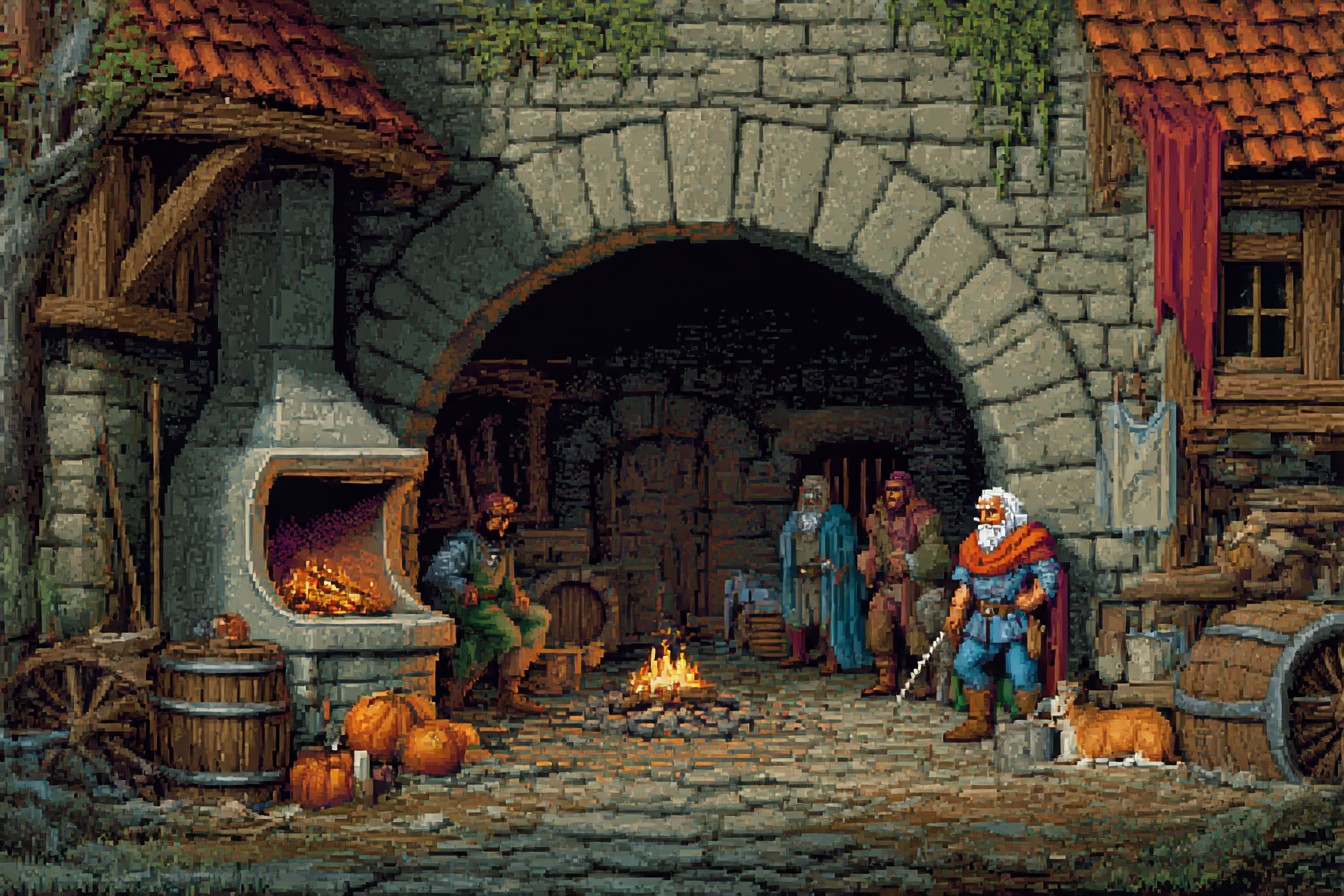
These days I mostly play them through emulation. My actual cartridges are getting a bit temperamental—save batteries dying, pins getting corroded—and I can't bring myself to risk damaging them with too much use. The MiSTer does a lovely job of recreating that authentic experience though. Proper scanlines, perfect audio timing, even that slight composite video blur that somehow made everything look more atmospheric.
My kid sometimes watches me play and asks why the graphics look "weird." How do you explain that limitation breeds creativity? That those chunky sprites and flat textures forced artists to suggest detail rather than render it explicitly? That sometimes knowing exactly what a monster looks like is less scary than having to fill in the blanks with your imagination?
Those Genesis D&D games were lightning in a bottle—proper tabletop adventures squeezed into cartridge form without losing their essential character. They understood that role-playing isn't about photo-realistic graphics or voice acting. It's about meaningful choices, tactical combat, and the simple joy of watching numbers go up as your characters grow stronger.
Still got my party from Warriors of the Eternal Sun saved on that cartridge. Seventeen levels of accumulated experience, hard-won magic items, and memories of adventures that felt absolutely epic at the time. That's the real magic of those old D&D adaptations—they didn't just entertain, they transported.



