The smell of a freshly opened N64 cartridge—that slightly chemical tang mixed with possibility—still hits different when I think about WWF No Mercy. My cousin Jamie brought it round one Saturday afternoon in late 2000, grinning like he'd discovered fire. "This one's actually good," he said, which was high praise coming from someone who'd endured WCW vs. nWo World Tour's clunky controls and still complained about them two years later.
See, wrestling games had this reputation for being a bit rubbish. Sure, they looked flashy on the box art—rippling muscles, dramatic poses, all very Saturday afternoon ITV—but actually playing them? That was another story entirely. Most felt like you were controlling action figures through treacle, with movesets that required more button combinations than launching a nuclear submarine. But No Mercy? Christ, this thing was different from the first grapple.
I'd been skeptical, honestly. The AKI wrestling engine had shown promise in WCW vs. nWo Revenge, but that game's roster felt like ordering pizza and getting told they're out of cheese. Meanwhile, WWF War Zone on PlayStation looked prettier but controlled like you were puppeteering drunk marionettes. So when Jamie slotted that grey cart into my N64—yes, I still had the grey one, because the colored consoles cost extra and mum wasn't having any of that nonsense—I expected another disappointment wrapped in licensed muscle.
The opening cinematic started up with that classic AKI swagger. Real wrestler entrances, proper music (well, MIDI approximations that your brain filled in the gaps for), and graphics that made the PlayStation versions look like they'd been drawn with crayons. But it was the moment I grabbed Steve Austin in a front grapple that everything clicked. The timing system wasn't button-mashing chaos—it was rhythm. Almost musical, if you can imagine music made of elbow drops and steel chair shots.
You see, most wrestling games treated grapples like rock-paper-scissors with extra steps. No Mercy made them feel like conversations. Light grapple, strong grapple, back grapple, running attacks—each one flowing into the other with this beautiful logic that made sense the moment your thumbs found their groove. And the timing! Oh, the timing was everything. Too early, and you'd whiff completely. Too late, and you'd eat a superkick to the jaw. But hit it just right? Pure wrestling poetry.
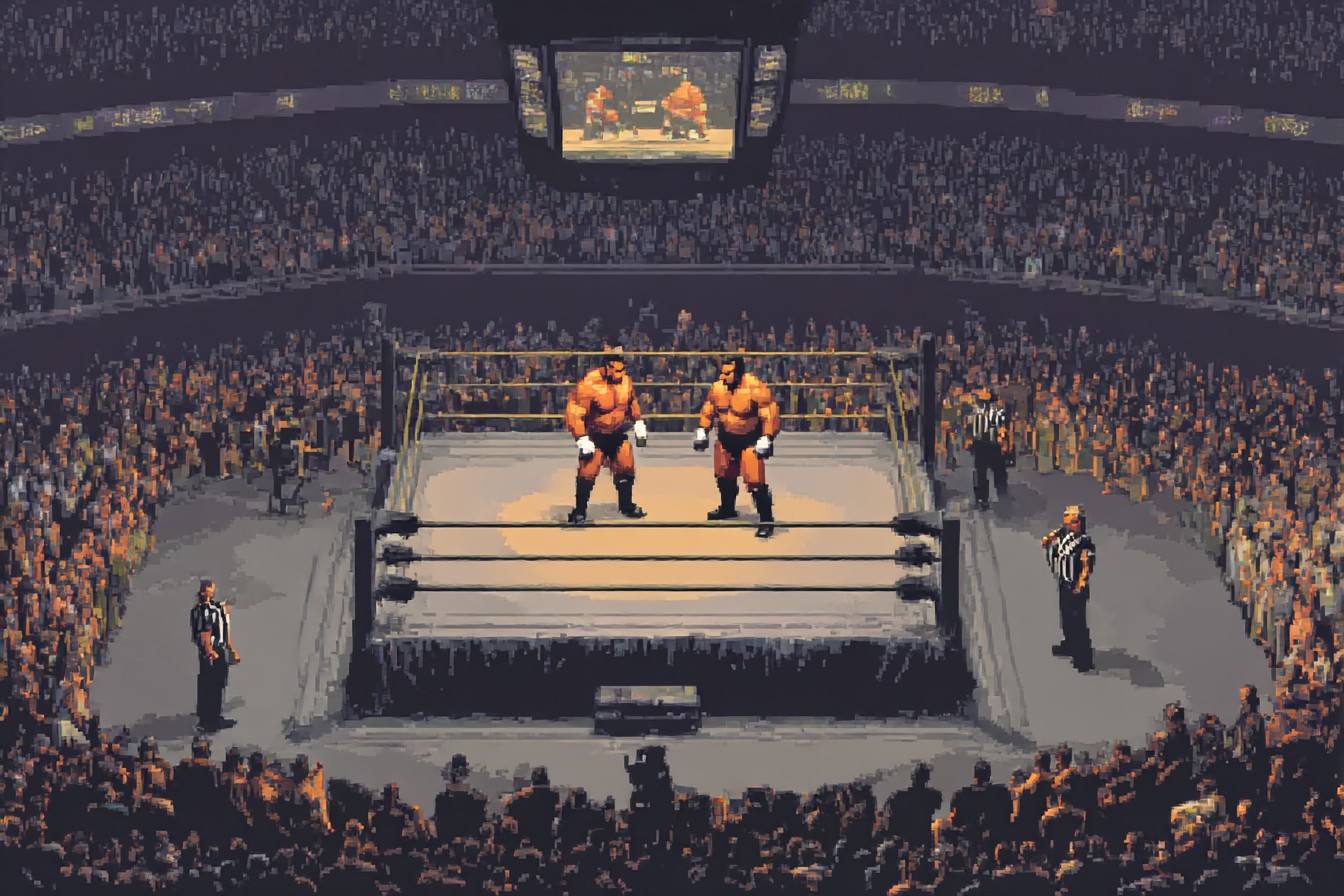
The championship modes were where this game really showed its teeth. I must've spent entire weekends working through the different storylines—Stone Cold's beer-soaked journey to the WWF title, The Rock's electrifying rise, Triple H's cerebral scheming. Each path felt like watching Monday Night Raw, but with you calling the shots. The branching storylines actually mattered too. Win or lose, the game would send you down different narrative paths with unique cutscenes and rivalries that felt personal.
I remember one particular run with Mankind—Mick Foley's loveable psychopath persona—where I'd lost a crucial match against The Undertaker. Instead of just resetting to try again, the game spun that loss into this brilliant underdog story. Suddenly Mankind was the scrappy fighter clawing his way back up, and when I finally won that title weeks later (in game time), it felt earned in a way that few games managed then or now.
But it was the create-a-wrestler mode that absolutely consumed my teenage brain. This wasn't just picking from preset faces and slapping a name on someone. No Mercy let you craft proper characters with movesets that made sense, entrance music that got your blood pumping, and costumes that ranged from "believably athletic" to "absolutely barking mad." I created an entire roster of original wrestlers, each with backstories I'd work out during boring double maths.
There was "Lightning" Lou Henderson, a high-flying technician whose finisher was this picture-perfect shooting star press. Then came Big Jim Morrison (no relation to The Doors, despite what everyone assumed), a powerhouse who could lift anyone in the game like they were made of papier-mâché. And who could forget The Phantom—a mysterious heel who wrestled in a mask and tights that changed color depending on the arena lighting? Brilliant stuff, even if it sounds completely mental now.
The customization went deeper than just aesthetics too. You could assign specific taunts, victory celebrations, and even walking styles. My mate Dave created this character called "Professor Pain" who wore academic robes and celebrated victories by adjusting invisible glasses. Absolutely ridiculous, but the game sold it completely through its animations and crowd reactions.
Speaking of crowds, No Mercy nailed the atmosphere in ways that still impress me. The audience would respond differently to faces and heels, chanting names at appropriate moments, gasping at near-falls, and absolutely losing their minds when someone broke out a finisher. Playing as Stone Cold and hearing that crowd explode when the glass shattered? Pure gaming magic, even through the N64's limited audio capabilities.
The multiplayer was where friendships went to die, obviously. Four-player royal rumbles in Jamie's living room turned into proper events. We'd draft rosters, create tournaments, and maintain win-loss records in a notebook like we were running our own wrestling federation. The elimination chamber matches—well, they weren't called that then, but you know what I mean—would stretch on for hours as we developed grudges both in-game and entirely real.
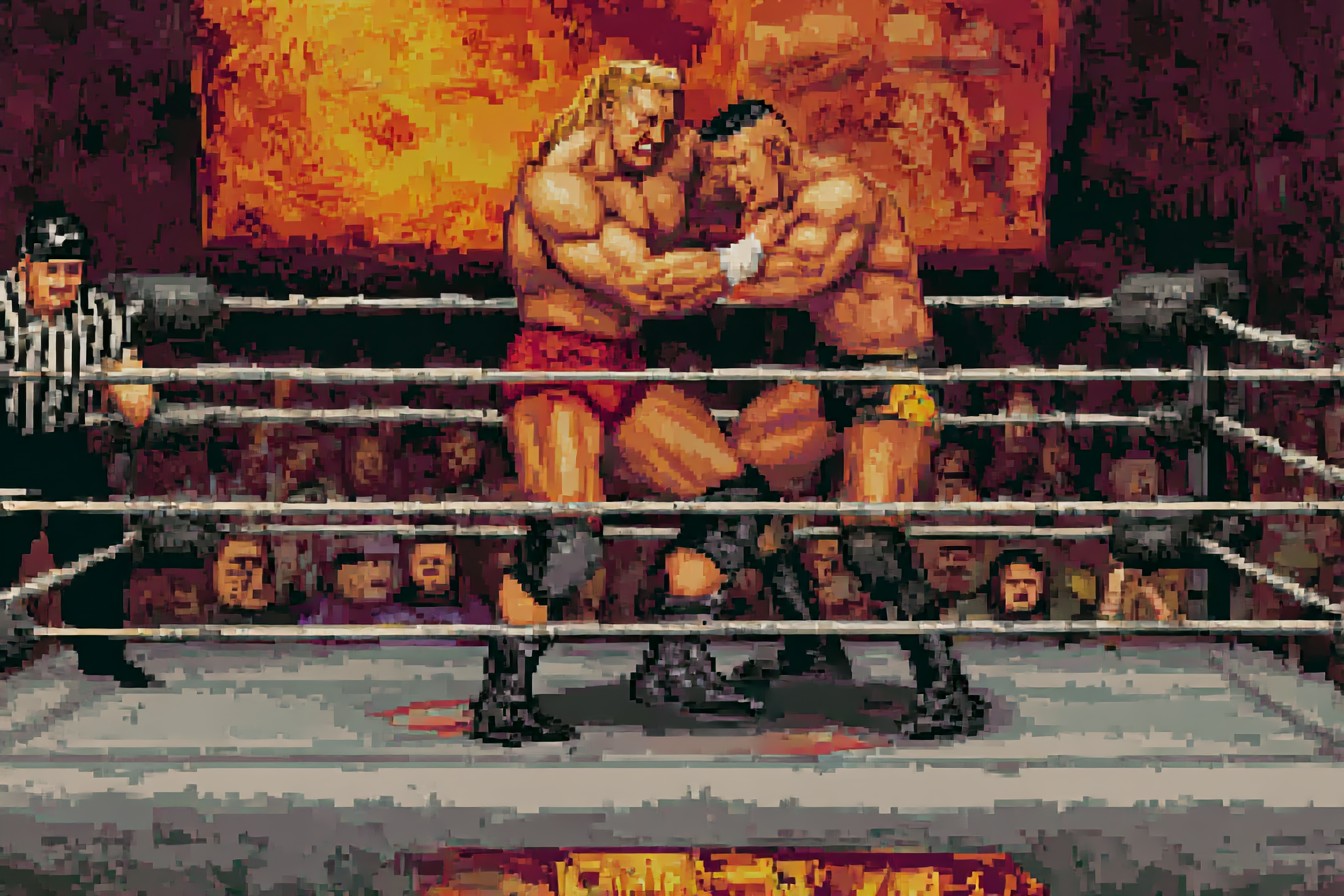
I'll never forget the Great Controller Controversy of 2001, when Dave accused me of using the "good" controller for crucial matches. He wasn't wrong—everyone knew the third-party mad catz controller had a wonky analog stick that made running grapples nearly impossible—but that's just smart strategy, innit?
The game's longevity came from its perfect balance of arcade accessibility and simulation depth. Casual players could have brilliant matches just by learning the basic grapple system, but dedicated players could master frame-perfect reversals, submission holds that required genuine strategy, and high-risk maneuvers that could backfire spectacularly if mistimed. Even now, firing up No Mercy on an emulator or original hardware, that control system still feels intuitive in a way that many modern wrestling games struggle to match.
Looking back, WWF No Mercy represented something special in gaming—a licensed product that actually understood what made its source material compelling. It wasn't enough to just slap wrestler likenesses onto generic fighting game mechanics. AKI crafted something that felt like wrestling, with all the drama, athleticism, and larger-than-life personalities that made the Attitude Era so captivating.
That grey cartridge still sits in my collection, next to other N64 classics that defined weekend afternoons and summer holidays. But No Mercy holds a unique spot because it proved that sports entertainment could translate into genuine gaming excellence. Every subsequent wrestling game gets measured against it, and most come up short. Not because they lack features or visual polish, but because they're missing that indefinable something—the soul that made every match feel like it mattered, every victory taste sweeter, and every defeat sting just enough to make you immediately demand a rematch.



