You know what still makes my palms sweat? That first leap in Disney's Aladdin on the Mega Drive. Not the actual platforming—though that cave escape sequence was genuinely tense—but the moment I realized I was holding something that shouldn't have been possible on home hardware. This wasn't just another movie tie-in cash grab cobbled together in six months. This was hand-drawn Disney animation running at 60fps on a machine that cost less than a decent hi-fi.
I'd rented it from the local Blockbuster on a Friday evening in '93, tucked between a copy of Jurassic Park on VHS and some straight-to-video Steven Seagal thing my dad pretended not to be interested in. The box art looked promising enough—Aladdin mid-swing with that cocky grin, Jasmine looking properly animated rather than pixelated into oblivion. But nothing prepared me for what happened when I slotted that cart into the Mega Drive.
The opening sequence hit like a sugar rush. Real Disney animators had drawn these sprites, and somehow Virgin Interactive had crammed them onto a cartridge without losing the soul. Aladdin moved like…well, like Aladdin. Not like a collection of sprites pretending to be Aladdin, but with that loose-limbed confidence that made him feel alive in ways most game characters never managed. When he vaulted over a barrier or scrambled up a wall, his animations had weight and personality. His idle animations—scratching his head, adjusting his vest—made waiting feel intentional rather than like a programming oversight.
The first level threw you straight into Agrabah's marketplace, and Christ, what a playground. Apples scattered everywhere like bonus coins, but they felt organic to the world rather than randomly placed. You could climb awnings, leap between stalls, and sword-fight guards who actually reacted to being hit instead of just flashing red for a split second. The collision detection was tight—none of that "clearly hit but didn't register" nonsense that plagued so many platformers of the era.
But it was the sword combat that really made me sit up straight on that scratchy carpet. This wasn't Mario jumping on Goombas or Sonic spin-dashing through robots. Aladdin had a proper scimitar, and using it felt satisfying in a way that most action games still struggle with today. The slash animation had multiple frames, the sound effect had weight, and enemies actually stumbled backward when you connected. Guards would block, archers would back away and fire arrows that you could deflect with perfect timing. It wasn't complex—this was still a family-friendly Disney game—but it had depth.
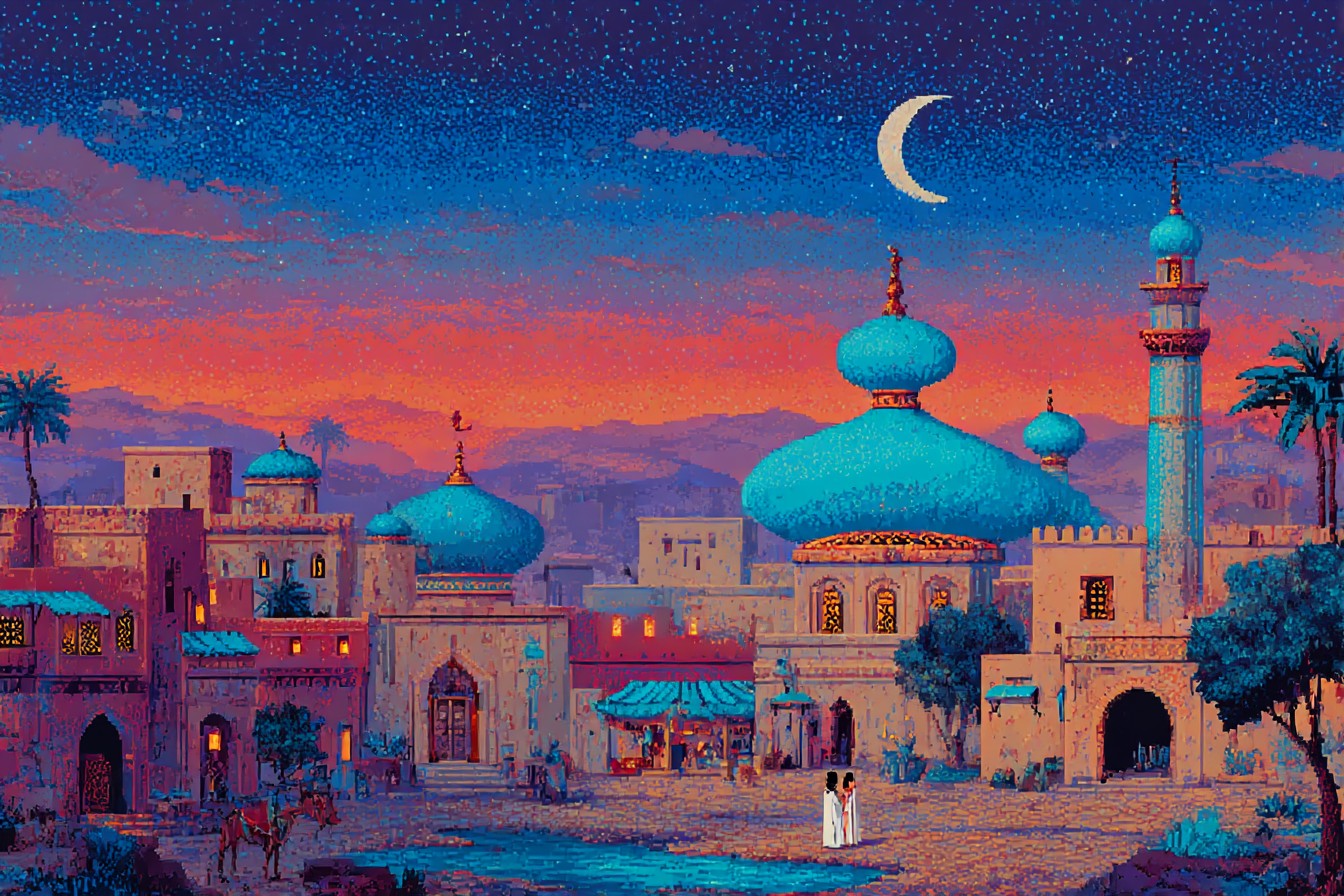
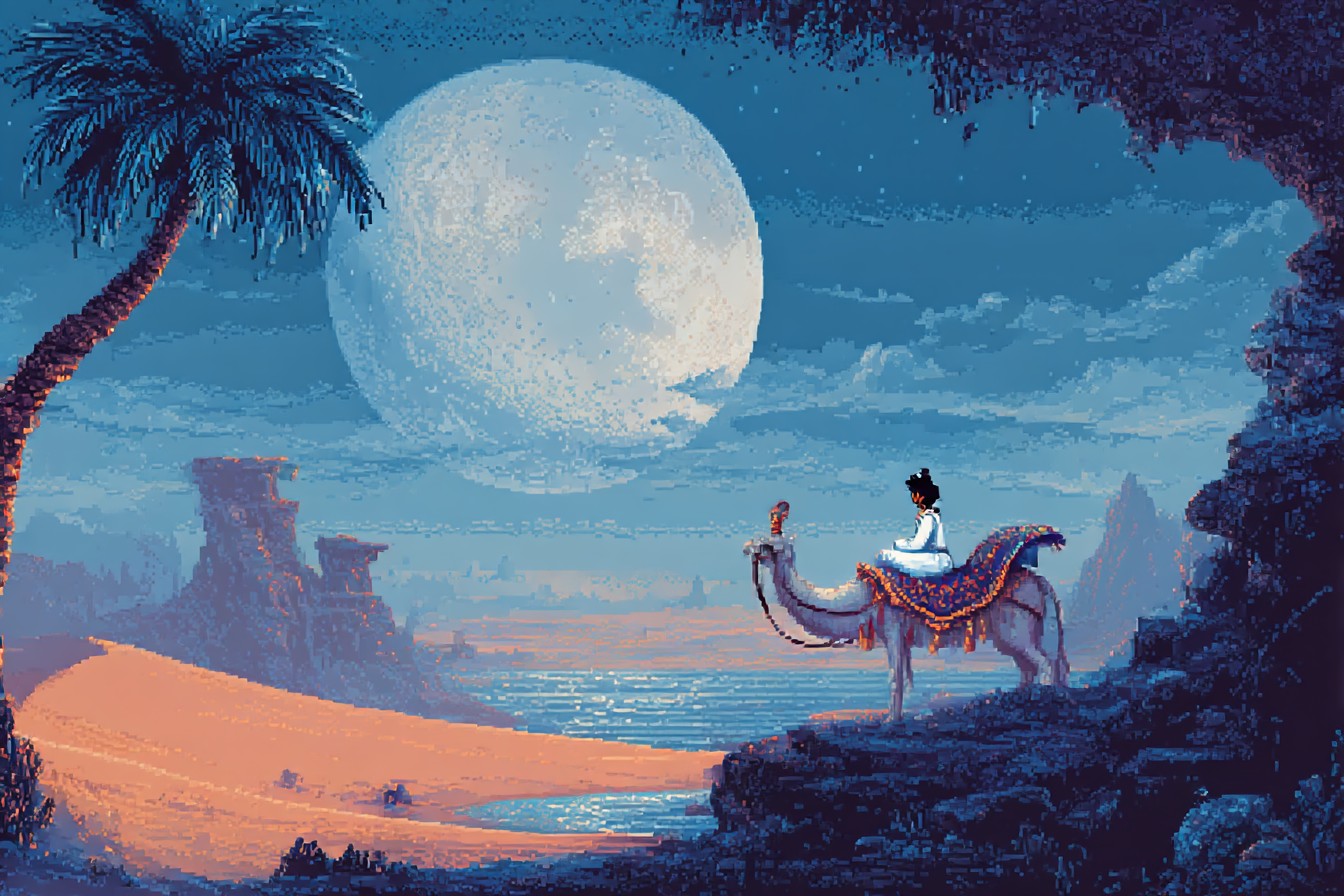
The level design deserves a bloody medal. Each stage felt like a proper location from the film rather than a generic obstacle course with Disney wallpaper slapped on top. The Cave of Wonders wasn't just "lava level with Aladdin sprites"—it was a proper treasure-filled cavern with jewels scattered around like someone had actually hidden them there. The magic carpet sequences (oh, those magic carpet sequences) managed to capture the freedom of flight while still being recognizably a 2D platformer. Banking left and right felt natural, dodging stalactites required actual skill, and the sensation of speed was genuinely thrilling.
I still remember the first time I encountered Jafar's snake form in the final level. The sprite work was mental—this massive, undulating serpent that filled half the screen and moved with proper snake-like fluidity. Most bosses in platformers felt like enlarged regular enemies with more hit points. This felt like fighting an actual giant magical snake, complete with hypnotic eye attacks and tail swipes that could knock you clear across the screen.
The music, though. Bloody hell, the music. The Mega Drive's YM2612 chip had that distinctive metallic twang that could either sound like a dying synthesizer or absolute gold, depending on who was programming it. Disney's composers knew exactly what they were doing. "A Whole New World" translated surprisingly well to FM synthesis, keeping the melody intact while adding that slightly exotic timbre that made it feel more authentic to the Middle Eastern setting. The marketplace theme bounced along with enough energy to make you want to explore every corner, while the more dramatic pieces during boss fights genuinely raised the tension.
What really set Aladdin apart from other licensed games—and there were so bloody many of them in the '90s—was the attention to detail that came from people who actually cared about the source material. Abu wasn't just a generic sidekick sprite; he had his own animations, his own personality quirks, and actually helped during gameplay rather than just existing for cutscenes. Jasmine appeared throughout the game in ways that felt natural to her character rather than shoehorned in for box art appeal.
The difficulty curve was spot-on too. Early levels let you get comfortable with the controls and basic mechanics, but by the time you reached the Palace levels, the game expected genuine skill. Not unfair trial-and-error difficulty like some platformers of the era, but proper escalation that rewarded practice and observation. Learning enemy patterns mattered. Timing your jumps mattered. Managing your apple supply (which doubled as throwing weapons) actually mattered.
I must've completed that rental copy three times over the weekend, and still took it back reluctantly on Sunday evening. Bought my own copy a few weeks later with birthday money, and it lived in that Mega Drive for months. Even now, when I fire it up on my MiSTer or through emulation, those first few notes of the Agrabah theme transport me right back to that living room carpet, probably with a can of Coke going flat on the coffee table and the smell of Sunday roast drifting in from the kitchen.
Disney's Aladdin on the Genesis wasn't just a good licensed game—it was proof that movie tie-ins didn't have to be lazy cash grabs. It was evidence that with enough talent, care, and proper resources, you could create something that honored both the source material and the medium it was adapting to. Still holds up brilliantly today, which is more than you can say for most games from '93.
Sometimes perfection comes in a plastic cartridge.



