There's this game that sits in my memory like a secret nobody else seemed to share. Fatal Labyrinth for the Mega Drive—or Genesis if you're across the pond. I stumbled across it in one of those rental shops where the boxes were arranged like library books and half the cases had the wrong manual stuffed inside. The cover art looked properly medieval, all dungeons and mysterious towers, which was exactly the sort of thing that grabbed my twelve-year-old brain by the collar.
Thing is, nobody ever talks about Fatal Labyrinth. It wasn't Streets of Rage or Sonic. It didn't get the magazine coverage or playground chatter. But sometimes—often, actually—the games that stick with you aren't the ones everyone's shouting about. They're the quiet ones that do something different while you're not expecting it.
Fatal Labyrinth was my first proper taste of what I'd later learn was called a roguelike, though back then I just knew it as "that weird game where everything changes every time you play it." Each time you fired it up, the labyrinth reshuffled itself like a deck of cards. Same basic structure—thirty floors of increasingly nasty dungeon—but the rooms, the monsters, the treasure, all different. This was mind-bending stuff in 1991. Most games I knew were static things; you learned the patterns, memorised the enemy placements, perfected your route. Fatal Labyrinth said "nope" to all that.
The gameplay was turn-based, which felt strange on a console where everything else was about reflexes and timing. You'd move one square, the enemies would move one square. Like chess, but with skeletons and magic swords. It sounds boring when I write it down like that, but there was something hypnotic about the rhythm. Click, move, wait, think, click again. The Mega Drive's FM synth would churn out this atmospheric soundtrack that sounded like it was being piped in from some medieval computer system.
I remember the first time I found a cursed item. There you are, seven floors down, feeling pretty chuffed with your progress, when you pick up what looks like a decent sword. Except it won't come off. Your attack power plummets and suddenly those rats you were casually swatting are turning you into mincemeat. Cursed equipment was proper cruel—you'd need to find an uncurse scroll or make it to a shop that could remove it, assuming you could survive that long.
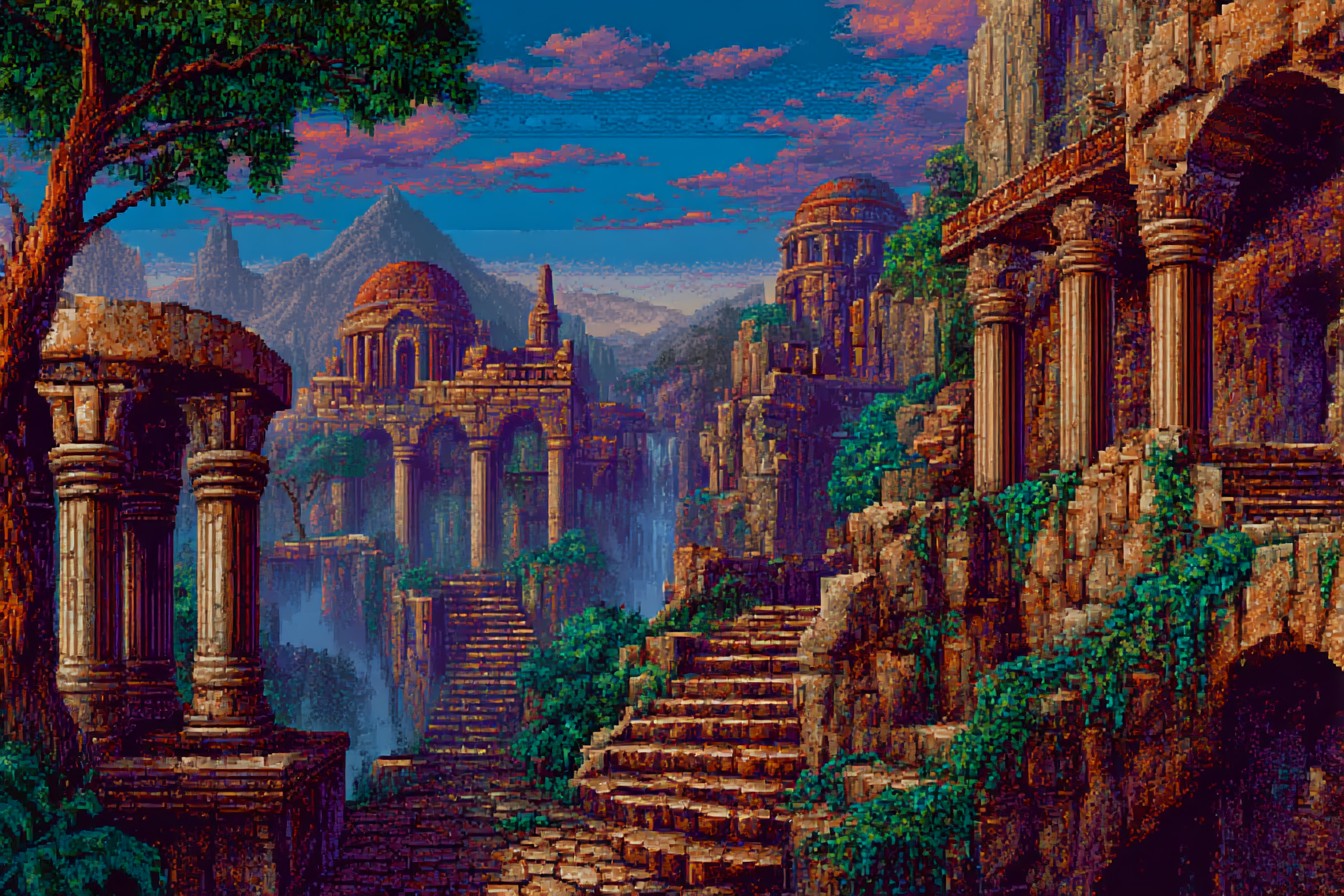
The shops were these little safe havens scattered through the labyrinth, run by these robed figures who'd sell you gear and identify mysterious items. I loved those shops. They felt like actual refuge in a hostile world. The music would change to something more peaceful, and you could take your time sorting through your inventory without worrying about something sneaking up behind you.
Equipment degradation was another thing that set Fatal Labyrinth apart. Your sword would get duller, your armour would crack, your shield would splinter. Everything wore out if you used it enough. Modern games do this all the time now, but back then it was revolutionary. It meant you couldn't just find one good weapon and coast—you had to keep scavenging, keep adapting.
The magic system was beautifully simple. Scrolls for spells, books for permanent stat boosts. No complex spell trees or mana management, just "do I use this healing scroll now or save it for later?" Those decisions felt weighty because you never knew when you'd find another one. Or if you'd find another one.
Death meant death, obviously. No saves, no continues, no password system. When your health hit zero, that was it—back to floor one with nothing but your starting gear and whatever experience the player had gained. Brutal by today's standards, but that permanence made every decision matter. Do you risk opening that chest when you're already badly wounded? Do you drink that unidentified potion when you're not sure what it does?
I never actually finished Fatal Labyrinth as a kid. Got to floor twenty-something once, which felt like climbing Everest. The difficulty curve was properly vicious—early floors were almost relaxing, but by floor fifteen you were dodging death traps and managing resources like you were planning a polar expedition.
What struck me most was how the game taught you to think differently about progress. In most games, moving forward is always good—more enemies beaten, more levels completed, more points scored. Fatal Labyrinth made you consider retreat as a valid strategy. Sometimes the smart play was backing away from a tough monster, finding a different route, conserving your resources for something you couldn't avoid.
The graphics were nothing special by Mega Drive standards, but they did the job. Simple, clean sprites that were easy to read at a glance. You never struggled to tell a goblin from a skeleton or a potion from a scroll. The interface was surprisingly user-friendly too—inventory management never felt like a chore, which is saying something for a game that was essentially about collecting and managing stuff.
Years later, when I discovered NetHack and Angband on PC, I realised what Fatal Labyrinth had been teaching me. The joy of procedural generation, the tension of permanent consequences, the satisfaction of mastering systems rather than memorising patterns. It was a gateway drug to a whole genre I didn't even know existed.
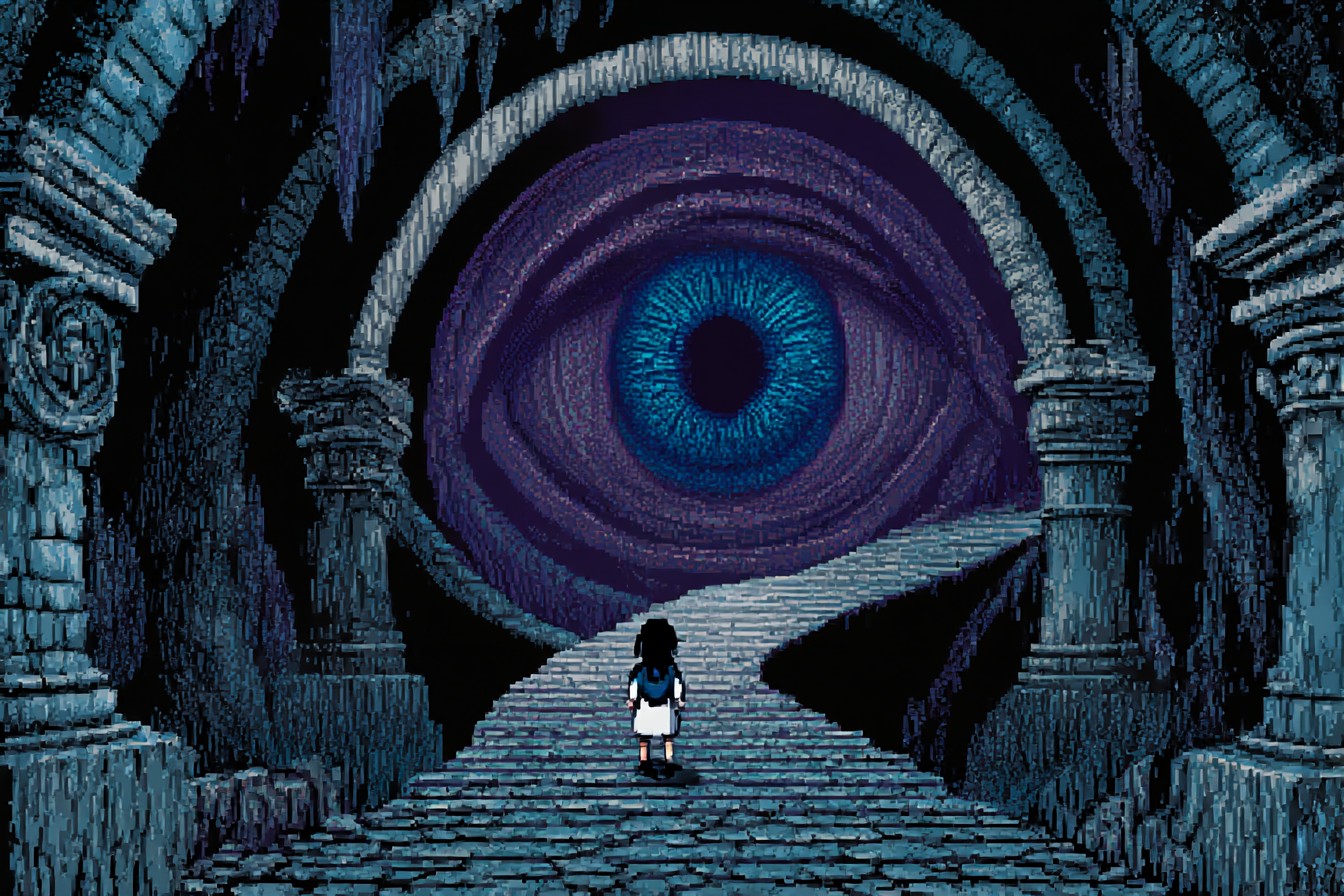
Fatal Labyrinth got a sequel on the Game Gear, which I managed to track down much later. Portable dungeon crawling felt like magic, even if the tiny screen made everything a bit squinty. There was something perfect about playing a turn-based roguelike on a handheld—you could pause between moves, think about your next step, play at your own pace.
Looking back, Fatal Labyrinth was doing things that indie developers are celebrated for today. Procedural content, permadeath, resource management, emergent storytelling through gameplay rather than cutscenes. It was ahead of its time, or maybe just part of a tradition that got temporarily forgotten when everything went 3D and cinematic.
The game's probably easier to appreciate now than it was then. We're used to roguelikes, used to games that don't hold your hand, used to failure being part of the learning process. In 1991, it was just this weird Japanese game that kept killing you and making you start over.
But that's exactly why it was brilliant.



