There's something unsettling about hearing your childhood distilled into three minutes of indie rock, but that's exactly what happened when I first encountered Alex G's "Nintendo 64." I was browsing through Spotify recommendations—you know how the algorithm gets when it realizes you've been listening to nothing but Sonic soundtracks for a week—and this track popped up. The title alone made me pause mid-scroll.
I hit play expecting some throwaway nostalgia bait, maybe chiptunes or samples from Mario 64. Instead, what I got was this beautifully melancholic meditation on growing up that happened to use my favorite console as its central metaphor. Alex G isn't singing about the N64 itself; he's singing about that specific feeling of being young and having all the time in the world to explore virtual spaces while the real world waited outside.
The opening lines hit different when you've lived through that exact experience. There's this line about playing alone in your room, and I swear I could smell the carpet in my childhood bedroom—that weird mix of dust and whatever fabric softener my mum used. The song captures that particular brand of solitude that wasn't loneliness but something closer to contentment. Saturday afternoons with nowhere to be, the console humming quietly, maybe some rain against the window.
What gets me is how Alex G understands the Nintendo 64's place in gaming history without getting bogged down in technical details. This isn't a song about polygon counts or texture filtering—it's about the emotional weight of that moment when games became truly three-dimensional spaces you could inhabit. When Mario first looked at you from that file select screen, it felt like crossing a threshold. The song gets that.
I've been thinking about this a lot lately, especially as someone who spends way too much time tinkering with retro hardware. There's this tendency in gaming culture to get lost in the specs and the arguments about which console "won" the 90s. But Alex G's lyrics remind you that none of that mattered when you were ten years old and discovering Hyrule Field for the first time. The magic was never in the Expansion Pak or the anti-aliasing—it was in how these chunky, low-poly worlds felt infinite.
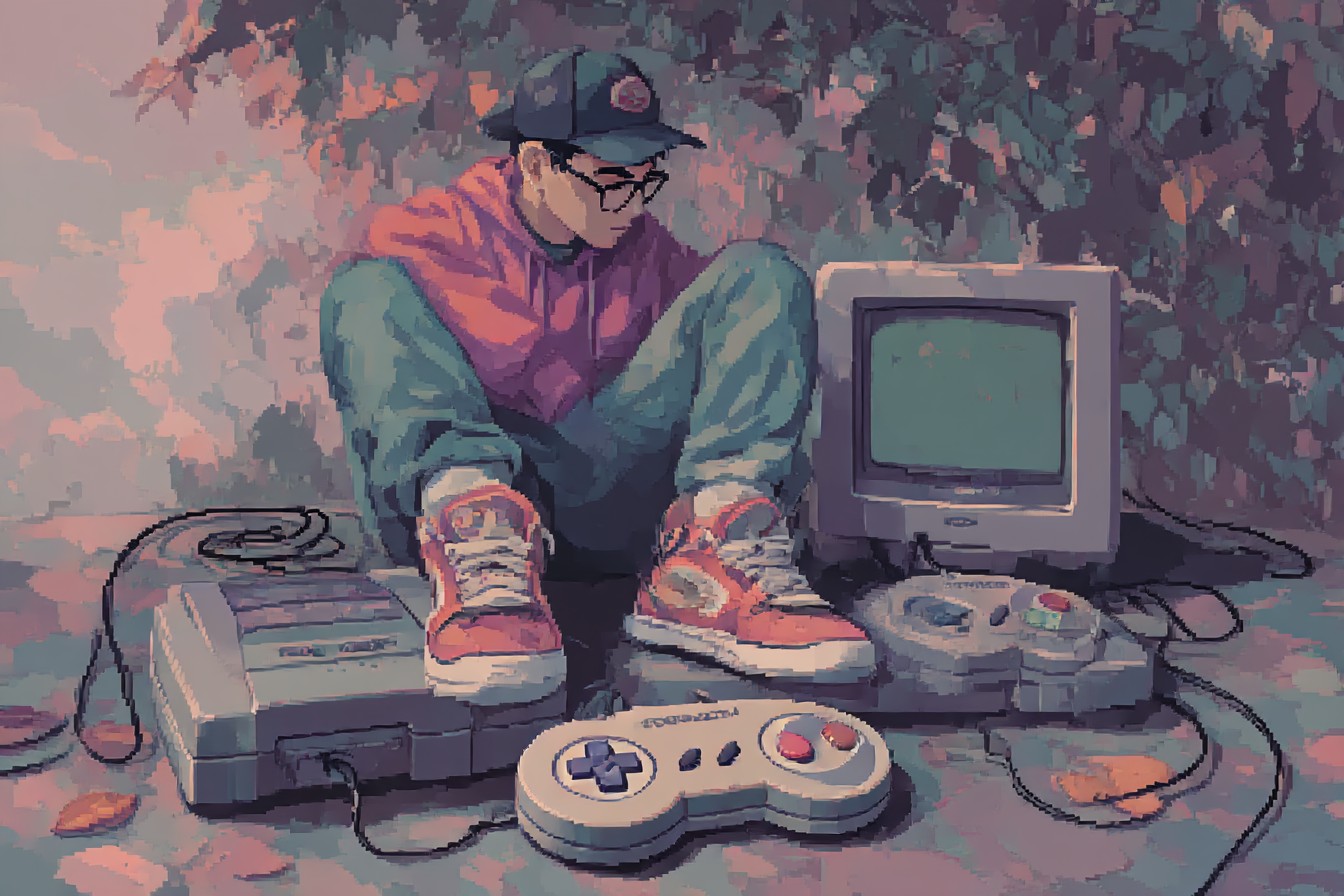
The song's production mirrors this perfectly. It's got that slightly lo-fi, bedroom recording quality that makes everything feel intimate and immediate. When he sings about the games, you can almost hear the gentle whir of the N64's fan in the background. It's not trying to recreate the actual sounds of gaming—it's trying to recreate the feeling of memory itself, all soft edges and warm colors.
I've played that console for thousands of hours across three decades now. I've modded it, RGB-modded it again, and currently have it running through an UltraHDMI setup that makes GoldenEye look crisp enough to hurt your eyes. But none of those improvements can recreate what Alex G is really singing about—that sense of discovery when everything was new.
There's this moment in the song where the melody kind of drifts away, becomes almost dreamlike. It reminds me of falling asleep with a controller in my hands, the TV still glowing with some pause screen. Maybe it was Ocarina of Time's file select music looping endlessly, or the ambient sounds of Kokiri Forest. These weren't just games; they were places you lived in.
The genius of using the N64 as a metaphor is that it represents this specific moment in gaming history when everything changed but hadn't quite figured out what it was changing into. The controller looked like it came from another planet. Games like Mario 64 and Pilot Wings 64 felt like magic tricks—how were they doing this? How was this possible? Alex G's lyrics capture that wonder without trying to explain it away.
I think about this song when I'm setting up old hardware for friends' kids, watching them experience these games for the first time. They don't see the technical limitations I notice after decades of pixel-peeping. They just see worlds to explore. That's the thing Alex G understands—nostalgia isn't really about the past. It's about remembering what it felt like to be genuinely amazed by something simple.
The bridge section gets particularly heavy, and I won't spoil it, but there's this acknowledgment that those moments don't last forever. Growing up means the real world starts making demands that virtual worlds can't satisfy. But the song doesn't mourn this exactly—it's more like it's grateful those moments existed at all.
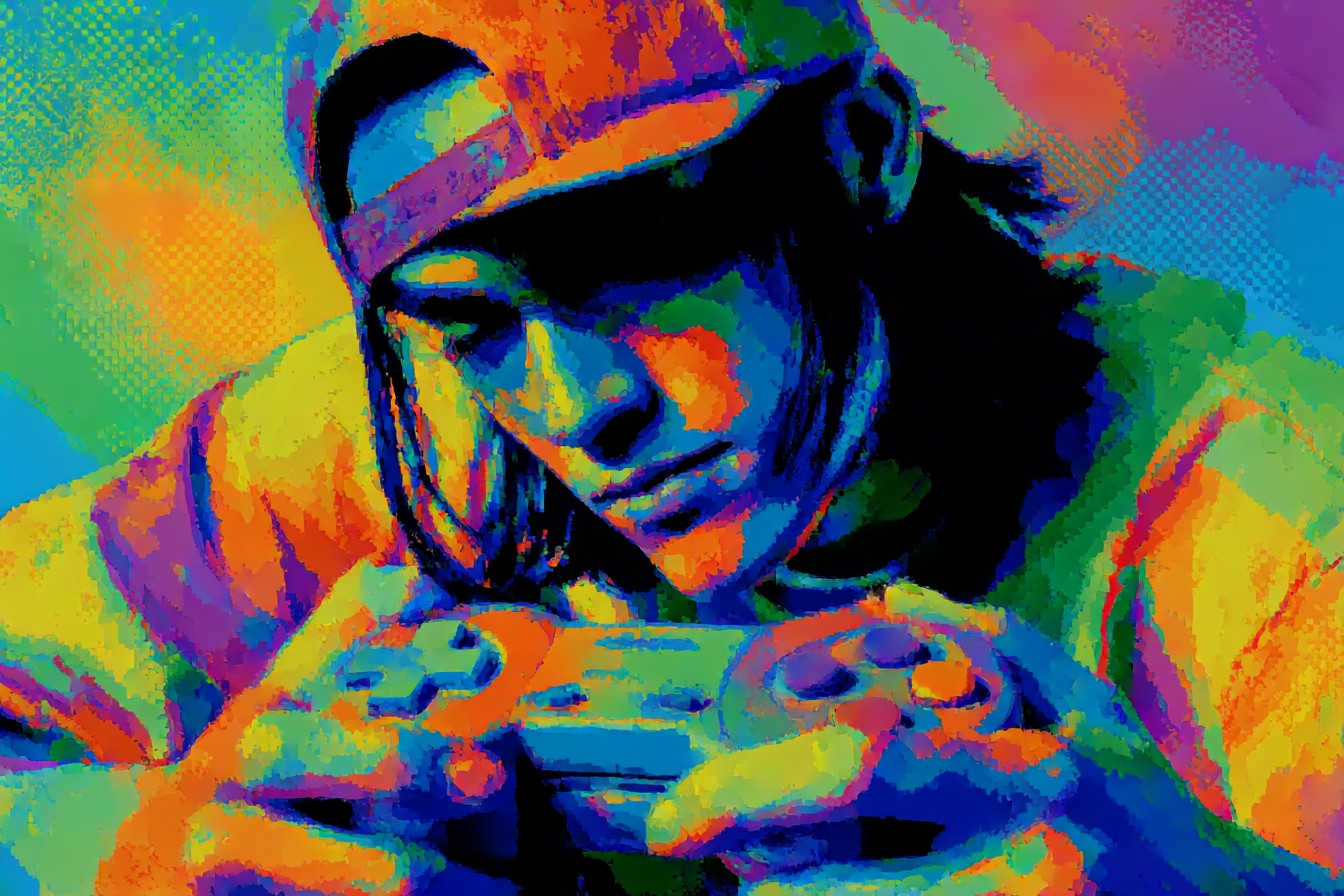
What really kills me is how the song manages to be specific to gaming culture while speaking to something universal about childhood. You don't need to have owned an N64 to understand what Alex G is getting at. We all had something—some toy, some book, some corner of the world that felt entirely ours for a brief moment in time.
I've been listening to indie music for years, but I've never heard anyone capture the emotional texture of retro gaming this accurately. Most songs about video games either go full parody or get bogged down in surface-level references. Alex G treats the subject matter with genuine respect, like these experiences actually mattered. Which, of course, they did.
The song's been on repeat in my workshop while I recap Game Gear capacitors and clean cartridge pins. There's something fitting about hearing it while maintaining these old machines, keeping them alive for another generation of players. Maybe that's what both the song and the hobby are really about—preserving not just the hardware or the music, but the feelings they once generated.
Anyway, if you grew up with any console from that era, give it a listen. Fair warning though—you might end up staring at your old hardware collection with slightly misty eyes, remembering what it felt like when all of this was magic instead of just very expensive plastic.



