The sound still makes my spine tingle. You know the one—that metallic *chunk* as you slam a fresh cartridge into an N64, followed by the satisfying click of the power switch. But nothing, and I mean nothing, compared to hearing your mate's mum shout "tea's ready!" when you were three hours deep into a four-player Facility deathmatch and someone had just grabbed the RCP-90.
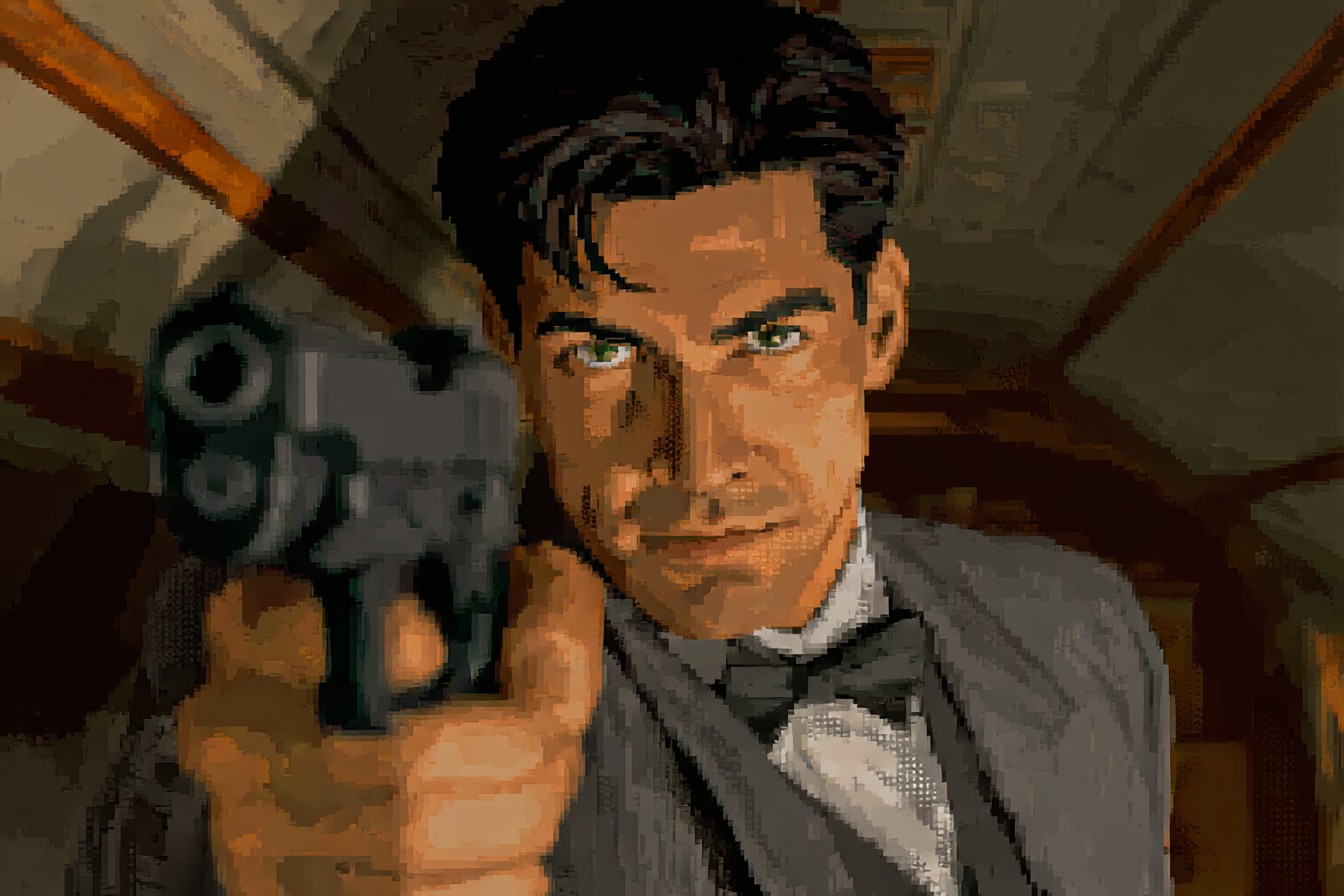
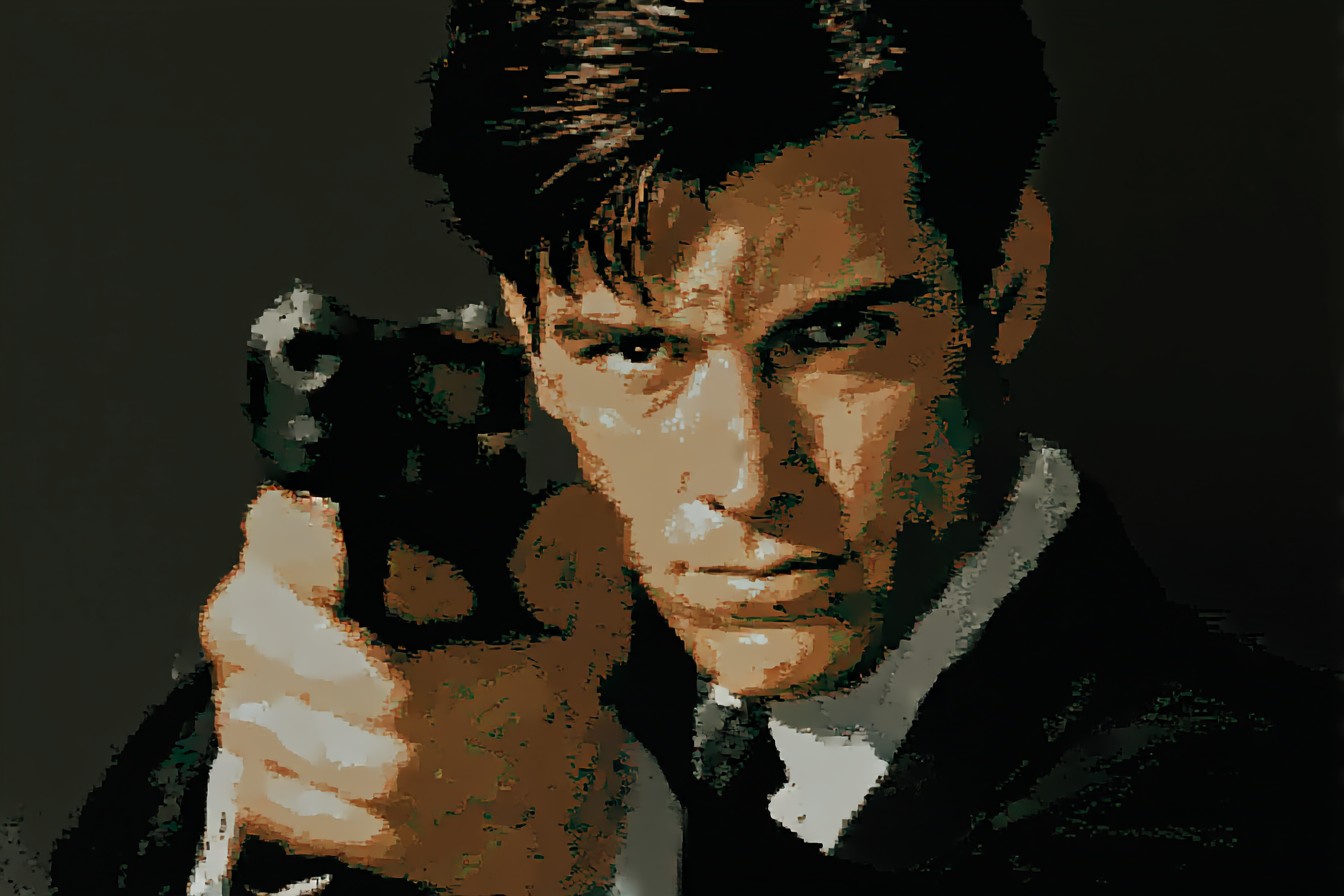
Christmas 1997. I'd been dropping hints about GoldenEye for months, circling it in the Argos catalogue with different colored pens like some sort of deranged marketing executive. When I finally unwrapped that grey cartridge, the box art promised something special—Pierce Brosnan's face staring back with that "I've seen things" expression, the golden gun gleaming like it was made of actual treasure.
Single player was brilliant, don't get me wrong. Following the film beat for beat, then going completely off-piste with those extra missions. The Cradle still gives me vertigo just thinking about it. But the real magic happened when you plugged in that second controller. Then the third. Then the fourth, with your little brother complaining his was the tatty one with the wonky stick.
Split-screen multiplayer wasn't just a feature—it was a social revolution wrapped in 64-bit packaging. Before GoldenEye, console shooters felt clunky, like trying to thread a needle while wearing oven mitts. Rare somehow cracked the code. The controls just worked. C-buttons for movement, stick for looking around, Z-trigger for shooting. It sounds mental when you describe it, but your hands learned it like muscle memory.
The weapon selection screen became its own mini-game. Everyone crowding around the telly, arguing about loadouts like we were planning actual military operations. "Right, I'll take the Klobb because I'm feeling generous today." Nobody ever felt generous enough to actually use the Klobb, mind you. That thing fired rubber bullets soaked in disappointment.
But the RCP-90? Pure poetry. The sound it made—that distinctive rapid-fire chatter—could clear a room faster than your dad's aftershave. I still remember the first time I discovered you could see through walls with it. My mate Dave went absolutely mental, convinced I was cheating somehow. "That's not fair! How did you know I was there?" Mate, I could see your head glowing through three feet of concrete.
The Moonraker Laser was basically cheating made official. One shot, one kill, and it sounded like science fiction having a nervous breakdown. We banned it from most matches because it turned every game into hide-and-seek with instant death. The Golden Gun was similar—pure James Bond fantasy, but it made matches last about thirty seconds.
Speaking of banned weapons, let's talk about Odd Job. Oh, Odd Job. If your mate picked Odd Job without asking, that was basically a declaration of war. He was shorter than everyone else, harder to hit, and absolutely infuriating to play against. We developed a whole diplomatic system around Odd Job selection. "Can I be Odd Job?" had to be asked with the same reverence as borrowing someone's favorite pen.
The maps were architectural masterpieces of mayhem. Facility became as familiar as our own homes. That central room with the big screens, the ventilation shafts, the security office where someone always tried to camp with a sniper rifle. Temple was pure chaos—so many levels, so many hiding spots, so many opportunities for that classic N64 rage quit where someone throws their controller and stomps off to make a sandwich.
Complex was the thinking person's battlefield. All those corridors and rooms, perfect for setting up ambushes. I once spent an entire match hiding in that little computer room, waiting for footsteps. When my brother finally found me, I'd been there so long I'd forgotten which button was shoot.
But Archives? Archives was special. Those filing cabinets created this perfect maze of cover and confusion. Plus, it had that lovely sterile lighting that made everyone look slightly zombified on the split-screen. Perfect atmosphere for settling scores with your mates.
The proximity mines changed everything. Suddenly, every doorway became a potential death trap. You'd see someone sneaking around, placing mines like they were redecorating, then sit back with this evil grin waiting for the inevitable explosion. The worst part? You could see them on your bit of the screen, but there was nothing you could do except hope you remembered where they'd been placed.
Screen-looking was the great unspoken sin. Everyone did it, everyone denied it, everyone got accused of it. "Stop looking at my screen!" was basically the battle cry of late-90s multiplayer gaming. We'd try sitting at weird angles, holding magazines up as blockers, even playing with towels draped over our heads like some sort of gaming burqa. None of it worked. The temptation was just too strong.
The sound design deserves its own paragraph. Every weapon had a distinct audio signature that you'd learn to fear. The distant *pop pop pop* of a Klobb meant someone was wasting ammo on thin air. The high-pitched whine of a Moonraker charging up meant you had about two seconds to find cover or accept your fate. And that alarm klaxon when someone grabbed body armor? That was the sound of the game balance shifting.
Four-player matches turned our living room into a battlefield. Controllers flying, accusations of cheating, victory dances that would make a footballer blush. My mum used to peer around the door with this confused expression, like she'd discovered we'd invented a new form of interpretive dance that involved a lot of shouting and button mashing.
The beauty of GoldenEye's multiplayer wasn't just the shooting—it was the social dynamics it created. Temporary alliances formed and dissolved within minutes. Someone would team up against the player in first place, only to backstab them the moment the scores evened out. Trust was a luxury nobody could afford.
Even now, decades later, I can boot up GoldenEye on my original N64 (yes, I kept it, along with the slightly sticky controllers and that one cart that only works if you blow on it just right) and within minutes, I'm transported back to that living room, surrounded by the sounds of friendly warfare and the smell of too much Lynx deodorant.
Those split-screen battles weren't just legendary—they were formative. They taught us that the best multiplayer experiences happen when everyone's crammed together on one sofa, close enough to see each other's reactions, close enough to high-five after an impossible shot or commiserate after walking into your own proximity mine for the fifth time in one match.
GoldenEye didn't just change gaming. It changed how we spent our weekends.



