Remember when your biggest life decision was whether to watch Transformers or risk it all for a chance at getting slimed? I was probably seven when I first saw Double Dare, and honestly, it rewired my entire understanding of what television could be. Saturday mornings weren't just cartoons anymore—they were interactive chaos where kids my age were living the dream.
My mum never understood why I'd abandon perfectly good Weetabix to watch children get covered in what looked like radioactive pudding. "It's disgusting," she'd mutter, but I was transfixed. Marc Summers made getting messy look like the most important job in the world, and those obstacle courses? They were like the playground equipment I'd design if someone gave me unlimited foam and zero safety regulations.
The thing about 90s Nick game shows is they respected kids in a way that felt revolutionary. These weren't adults talking down to us or making us sit still and learn multiplication tables. They were asking us to climb giant noses, answer trivia about our own culture, and yes—get absolutely drenched in green goop for the entertainment of the masses. It was anarchy with a TV-14 rating.
Double Dare was the gateway drug, but Finders Keepers turned me into a proper addict. Watching kids tear apart those fake rooms searching for hidden objects made me want to redesign our entire house. I'd lie in bed plotting how I'd tackle that bedroom if I ever got on the show. The pink bathroom with the giant toilet? Easy. I'd check behind the mirror first, then inside the tank. The living room with furniture bolted to the ceiling? Start high, work down. I had strategies, people.
What made these shows brilliant wasn't just the mess—though lord, the mess was spectacular. It was how they made being a kid feel like having superpowers. On regular TV, adults did important things while children watched. But here? Children were the stars, the decision-makers, the ones covered in pie filling and loving every second of it. Marc Summers would get just as excited about a right answer as we did, and when someone inevitably face-planted into a vat of chocolate sauce, he'd cheer them on like they'd just scored the winning goal.
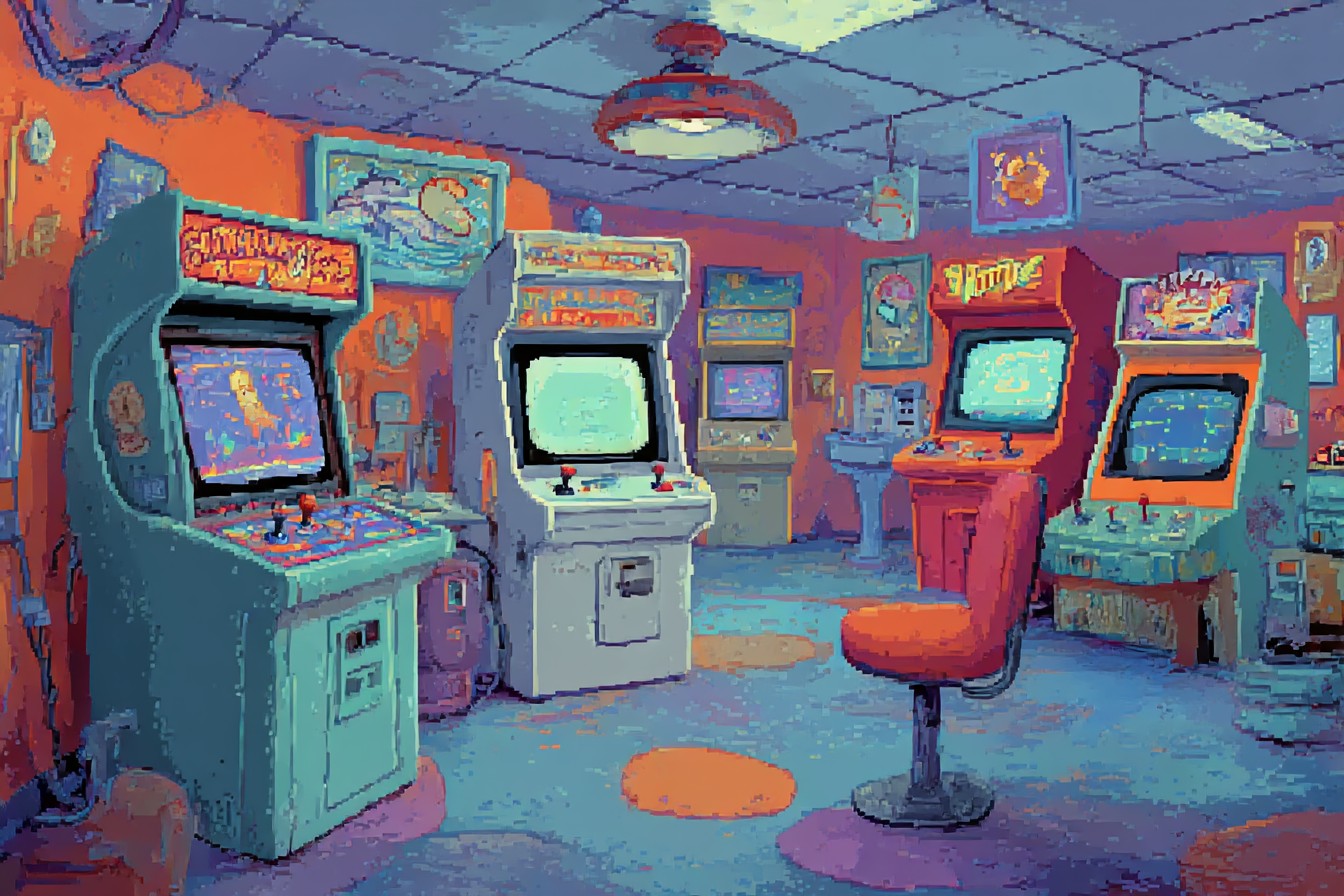
Legends of the Hidden Temple took things up a notch with actual storytelling. Olmec's voice still gives me goosebumps—that booming, mystical narrator who made finding a jeweled monkey feel like recovering the Holy Grail. The temple guards jumping out scared me senseless, but I watched anyway because the Purple Parrots or Silver Snakes might actually make it to Shrine of the Silver Monkey this time.
I practiced assembling that three-piece monkey statue on everything in our house. Salt shakers, stacked books, my sister's dolls when she wasn't looking. The number of times I watched kids fumble that final challenge was heartbreaking. You're so close! The base goes on the bottom! Bottom first! I'd be shouting at the telly like my nan during Coronation Street, completely invested in whether some kid from Ohio could figure out basic stacking under pressure.
The physical challenges were pure playground fantasy made real. That agro crag from Guts? I would've given anything to climb it, LED lights and fake fog and all. Mo, the referee, became this mythical figure in my mind—part coach, part superhero, part the coolest adult who ever lived. When he'd yell "Let's go to mo!" I'd literally jump off the couch. The enthusiasm was infectious.
What's mental is how these shows influenced actual playground politics. Kids would argue about which Legends team was best (Red Jaguars forever, fight me), or try to recreate Double Dare obstacles using whatever we could find. Our local park became a training ground where we'd time each other running through imaginary slime-filled courses.
The slime itself deserves its own paragraph. That luminous green stuff wasn't just a gimmick—it was a symbol of everything our parents' generation didn't understand about fun. It was messy, pointless, probably terrible for the environment, and absolutely magical. Getting slimed wasn't punishment; it was a badge of honor. It meant you'd participated in something bigger than yourself, something gloriously ridiculous.
I remember the first time I saw someone win the ultimate prize—usually something like a computer or a bicycle—and thinking these kids had basically conquered television. They'd beaten the system, answered the questions, survived the obstacles, and walked away with actual treasure. It made winning feel achievable, like maybe ordinary kids could have extraordinary moments if they just knew enough about current events and weren't afraid of getting their trainers muddy.
The hosts were perfect for their roles because they seemed genuinely thrilled to be there. Marc Summers wasn't just reading cue cards; he was living his best life watching children navigate inflatable obstacle courses. When kids succeeded, his joy felt real. When they failed spectacularly, he'd help them laugh it off. These weren't game show hosts—they were the coolest teachers we never had.
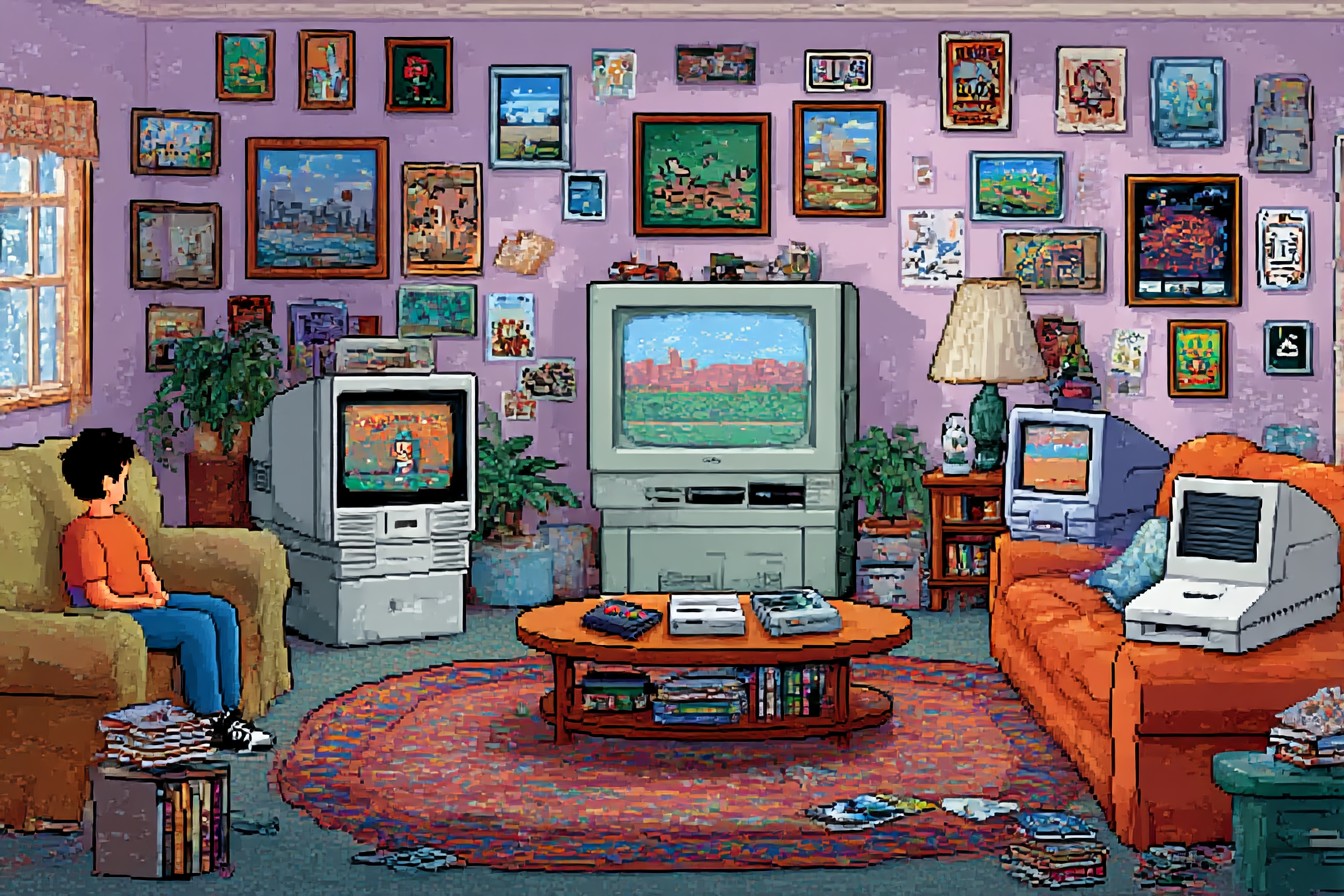
Looking back, what strikes me most is how these shows celebrated the chaos of being young. They didn't try to make kids act like miniature adults. They leaned into the beautiful madness of childhood—the willingness to get dirty, to take ridiculous risks for equally ridiculous rewards, to care deeply about absolutely nothing important.
Modern kids' TV feels more sanitized somehow. Everything's educational or inspirational or designed to teach valuable life lessons. Which is fine, I suppose, but there was something pure about shows that existed solely to watch children climb foam mountains and get covered in dessert toppings. Sometimes entertainment doesn't need to improve your character—sometimes it just needs to make you laugh until your stomach hurts.
Those Saturday mornings shaped my entire understanding of possibility. If regular kids from regular places could end up on television winning prizes for knowing that pandas eat bamboo, then maybe anything could happen. Maybe the world was weirder and more wonderful than anyone let on during the school week.
That green slime is probably still in our water supply somewhere, a lasting monument to the greatest era of children's television ever created.



