Saturday afternoon, 1991. I'm hunched over our family's beige Amstrad PC, the monitor humming like a disgruntled refrigerator, when my mate James rocks up with a floppy disk that looks like it's been through a washing machine. "Trust me," he says, sliding it across the desk like contraband. "This'll blow your mind."
The disk label, written in fading biro, simply read "Captain Comic." I'd never heard of it, but that was half the thrill with shareware back then—you never knew what digital treasure you were about to unearth from someone's bedroom coding project.
Loading it up was an adventure in itself. Boot DOS, navigate to A:, type the executable name (always took me three tries to spell it right), and wait for the magic to happen. When Captain Comic finally appeared on screen, I genuinely thought someone had cracked the code on what PC gaming could be. Here was this colorful, bouncing superhero in a world that actually looked… good? On a PC? In 1991? Madness.
You have to understand the state of PC gaming at the time. Most of us were still comparing everything to what we'd seen on our Mega Drives or SNES consoles. PC games were either text adventures that required PhD-level vocabulary or slow, chunky affairs that made you wonder why anyone bothered when Mario existed. Captain Comic changed that conversation entirely.
The game dropped you into the boots of Captain Comic himself—this brilliant blue superhero who could leap tall buildings and shoot energy blasts like he'd been borrowing Superman's workout routine. The opening screen showed him standing there, cape billowing in pixelated wind, ready to save some cosmic MacGuffin called the "Treasures of Tambi." Honestly, I couldn't have cared less about the plot. I was too busy marveling at how smooth everything moved.
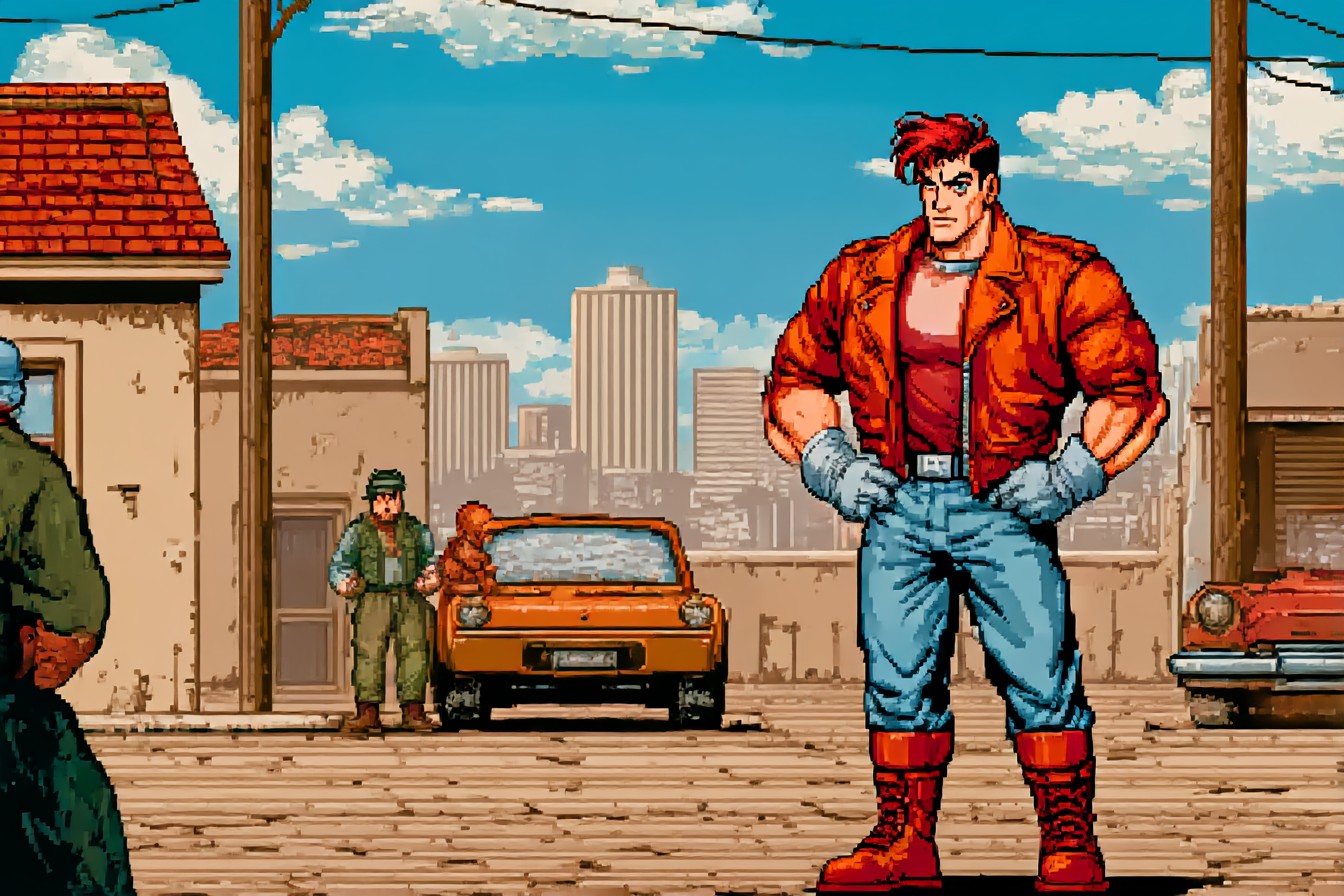
What really got me was the level design. This wasn't just "run right and jump on things" like so many platform games. Captain Comic had verticality, secrets, and this brilliant sense of exploration that made you feel like you were uncovering hidden corners of an alien world. The first level alone had me scrambling up cliff faces, diving into underground caverns, and discovering power-ups tucked away in places that rewarded curiosity.
The sound, oh man—even through our PC speaker (because who had a Sound Blaster in '91?), the bleeps and bloops had character. Every jump, every blast, every collected gem felt weighty and satisfying. I spent hours just making Captain Comic bounce around because the physics felt so responsive compared to the sluggish movement in most PC platformers.
But here's what really hooked me: this was shareware done right. Michael Denio, the creator, had managed to pack an entire adventure into what was essentially a demo. You got multiple levels, varied enemies, different environments, and a genuine sense of progression. Most importantly, it left you wanting more without feeling like you'd been cheated.
I remember showing it to my dad, who usually showed about as much interest in my games as he did in my mother's soap operas. But even he stopped to watch Captain Comic navigate this underwater section, dodging jellyfish and collecting air bubbles. "That's quite impressive for a computer," he admitted, which was basically a five-star review from a man who thought the height of technology was his digital watch.
The genius of Captain Comic wasn't just in its polished presentation—it was in how it made PC gaming feel legitimate. Up until then, I'd always thought of our computer as the place where you did homework and maybe played the odd text adventure when parents weren't looking. But Captain Comic proved that PCs could do colorful, fast-paced action just as well as any console.
What I loved most was how it captured that classic comic book aesthetic without being cheesy about it. Captain Comic looked like he'd stepped out of a Saturday morning cartoon, but the game world had this detailed, almost European feel to it. The backgrounds were intricate, full of little details that made you want to explore every pixel.
The difficulty curve was perfect too. It started gentle enough that even my younger sister could make some progress, but by the later levels, you needed proper platforming skills and pattern recognition. I spent countless evenings trying to master that final castle sequence, with its moving platforms and precisely-timed jumps.
Years later, I discovered that Captain Comic was actually one of the first major shareware hits. Michael Denio had basically pioneered the "try before you buy" model that would define PC gaming for the next decade. But at the time, I just knew I'd found something special on that battered floppy disk.
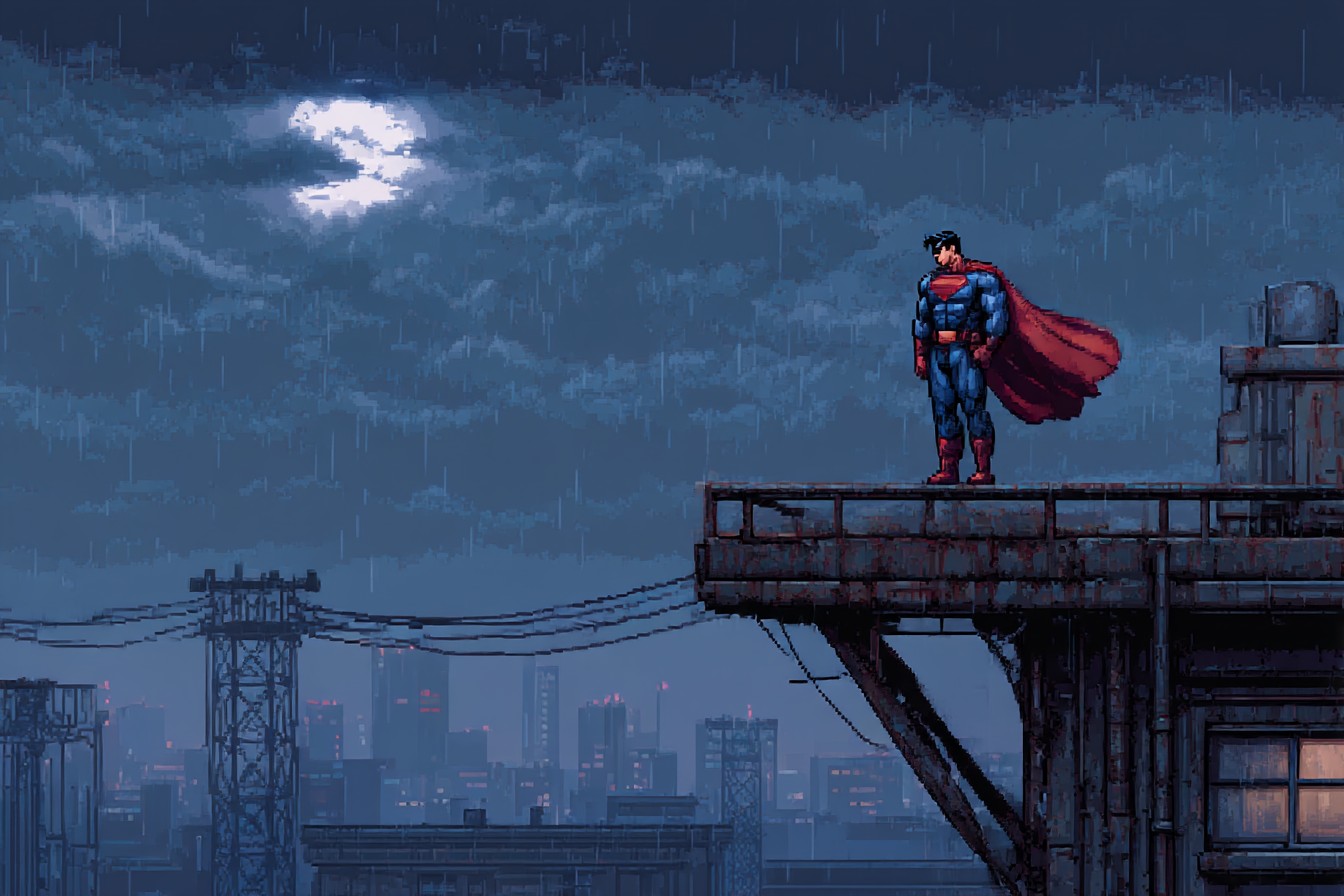
The whole shareware culture that Captain Comic represented feels almost quaint now. Back then, games spread through playground networks and bulletin board systems. You'd get a disk from a mate who got it from his cousin who downloaded it from some BBS at two in the morning. Every new game felt like discovering buried treasure.
Captain Comic taught me that great games could come from anywhere. It didn't need a massive marketing budget or celebrity endorsements. It just needed solid gameplay, colorful graphics, and that indefinable quality that makes you want to keep playing just one more level.
I still fire it up occasionally, usually through DOSBox on whatever computer I'm using these days. The graphics look charmingly chunky now, and the sound effects seem quaint compared to today's orchestral scores. But that core gameplay loop—explore, jump, shoot, discover—remains as compelling as ever.
That battered floppy disk probably cost James about 50p to copy, but it opened my eyes to what PC gaming could become. Captain Comic wasn't just a good shareware game; it was proof that bedroom coders could compete with the big console developers, one colorful pixel at a time.



